Days 6 - 8: Through the gorge
After a comfortable night's sailing, you will wake up among the many islands south of the Lemaire Channel. You will now be close to the Antarctic Circle. At this point, a trip through the aptly named gorge - a narrow but picturesque channel between the
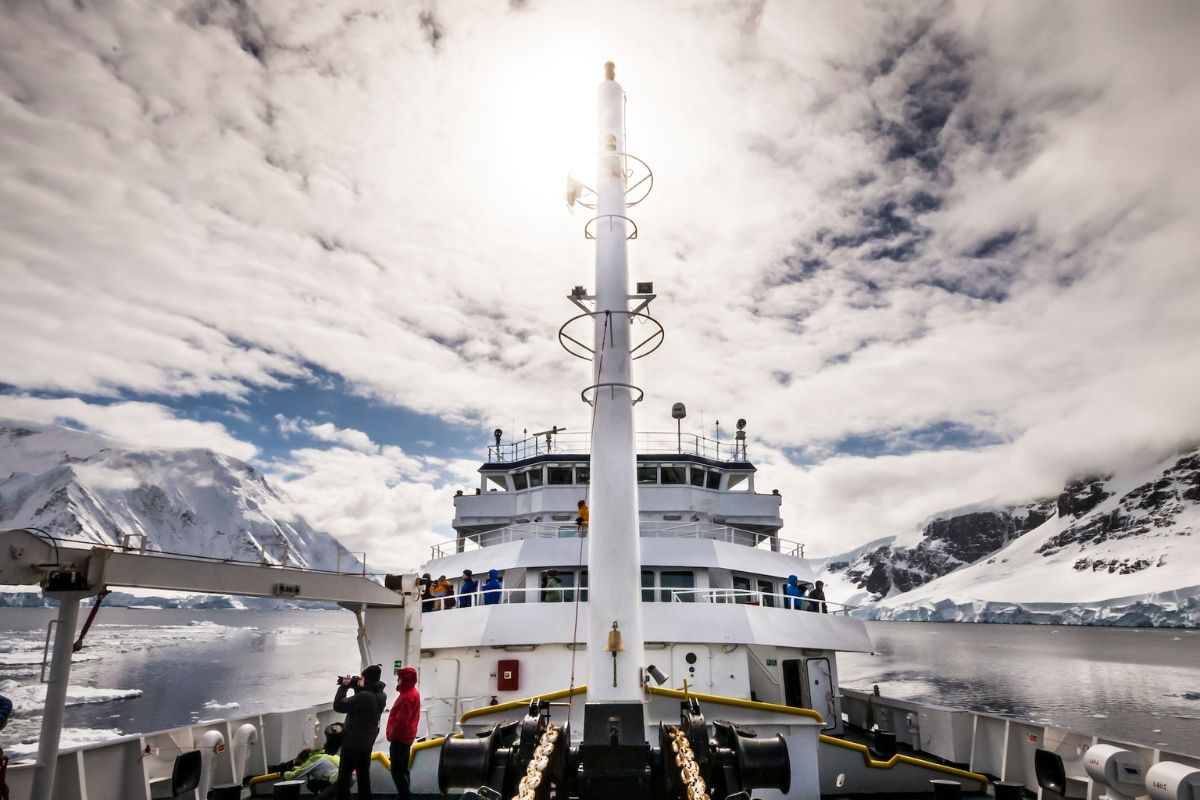
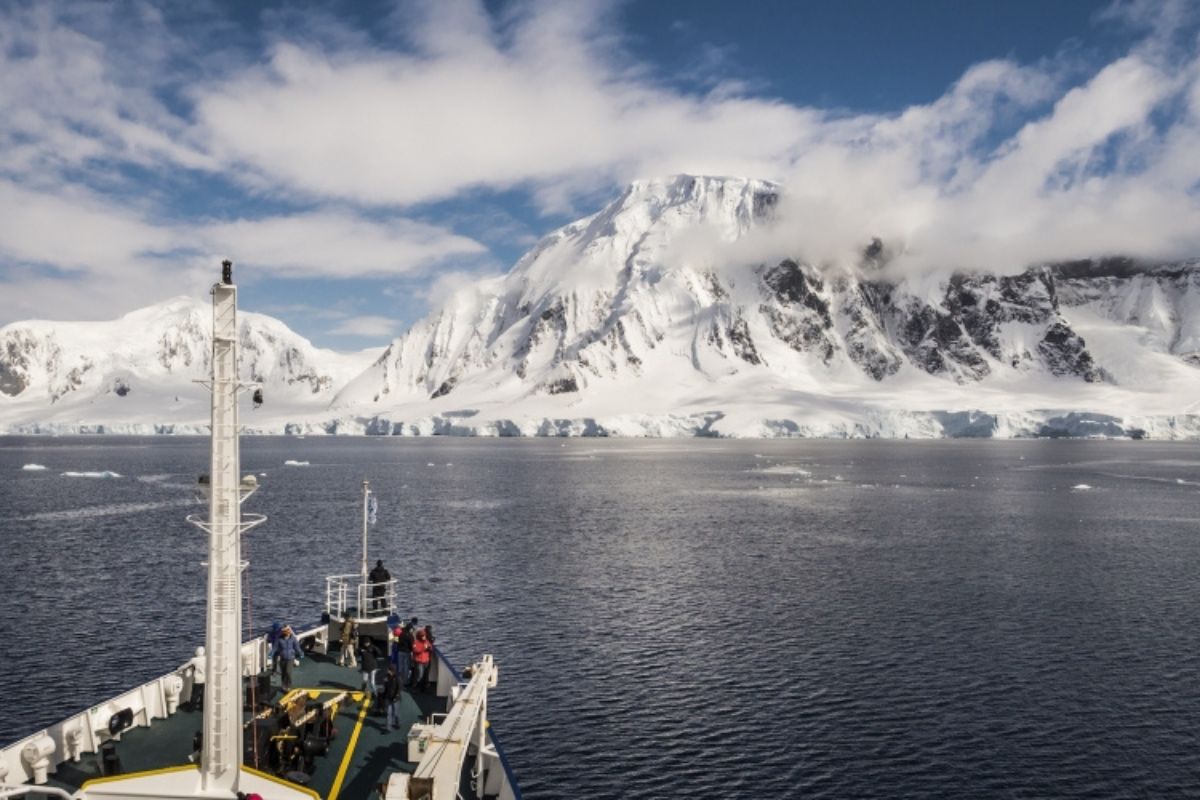
Adelaide Island (Belgrano) and the Antarctic Continent - is possible if the ice is not too dense. You can explore this area from the bow of the ship to get the closest possible contact with the polar terrain as you move south.
Pourquoi Pas Island - Perhaps you will circumnavigate this island, named after the ship of the famous French explorer Jean-Baptiste Charcot. This location is known for its tight fjords and towering glacier-capped mountains.
Horseshoe Island - This is the location of the former British base Y, a remnant of the 1950s which is now uninhabited, although still equipped with all the technology it had when it was in service.
Stonington Island - Home to the former American base East and British base E, which was occupied in 1975, this island marks the southernmost landing of the voyage - 68 or south. If a landing here is possible, your route from here is north through the Gunnel Channel.
Hanusse Bay - Enjoy the ice floes scattered in this scenic bay, which offers a good chance of seeing whales. Days 9 - 11: Whales of Crystal Strait
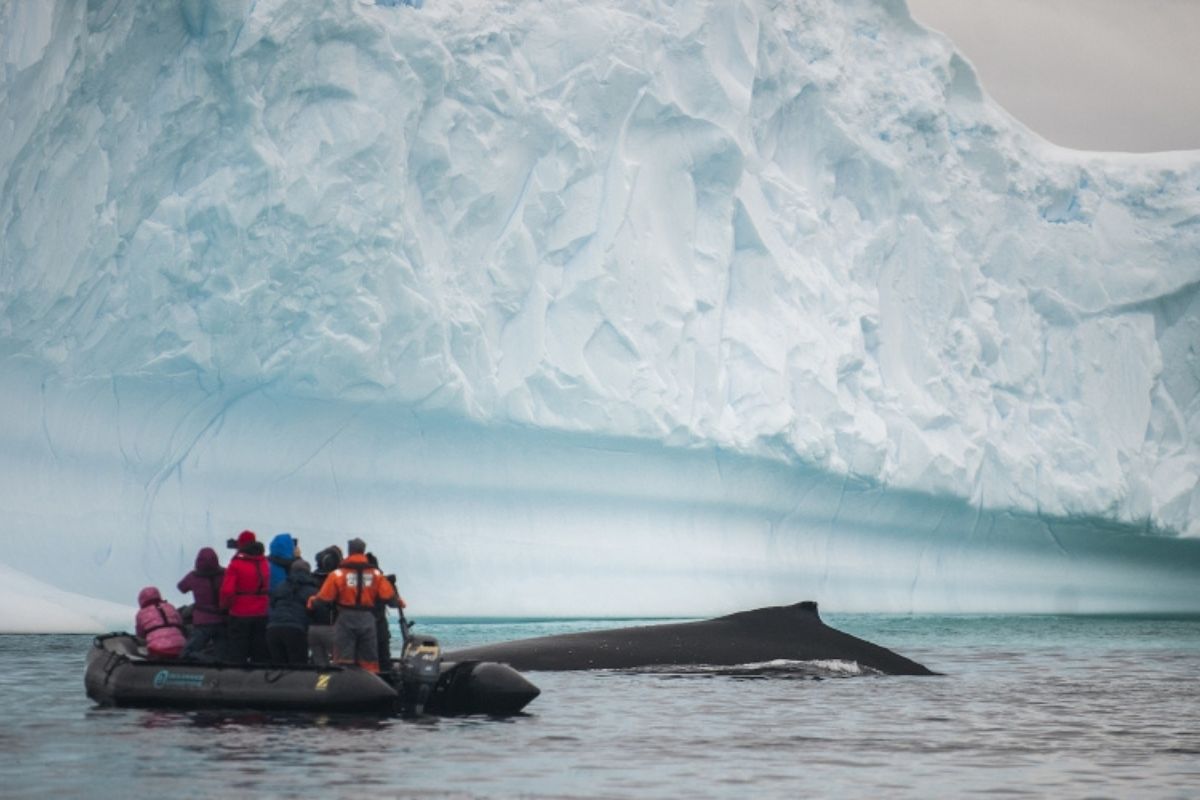
It is close to the Antarctic Circle again, heading north through the countless ice shelves of Crystal Strait. Humpback whales are likely to be seen, and its approach to the Fish Islands offers opportunities for a Zodiac cruise or even a landing.
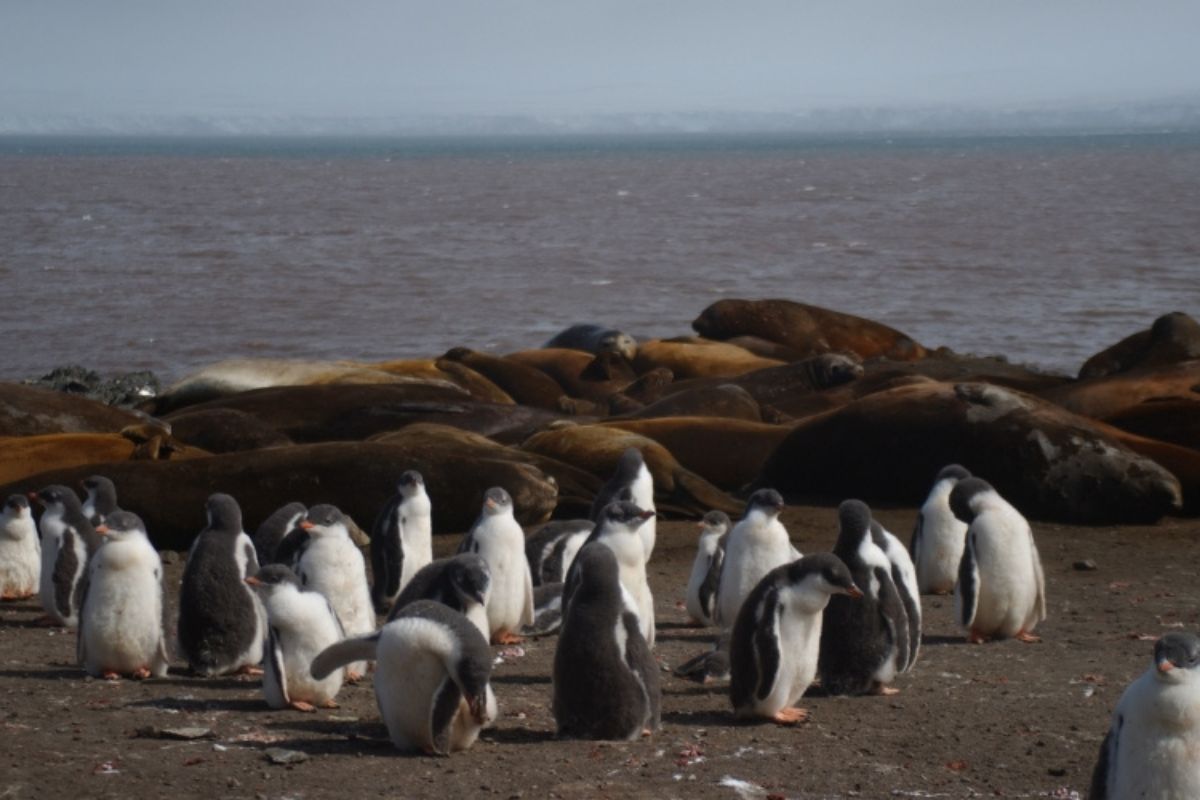
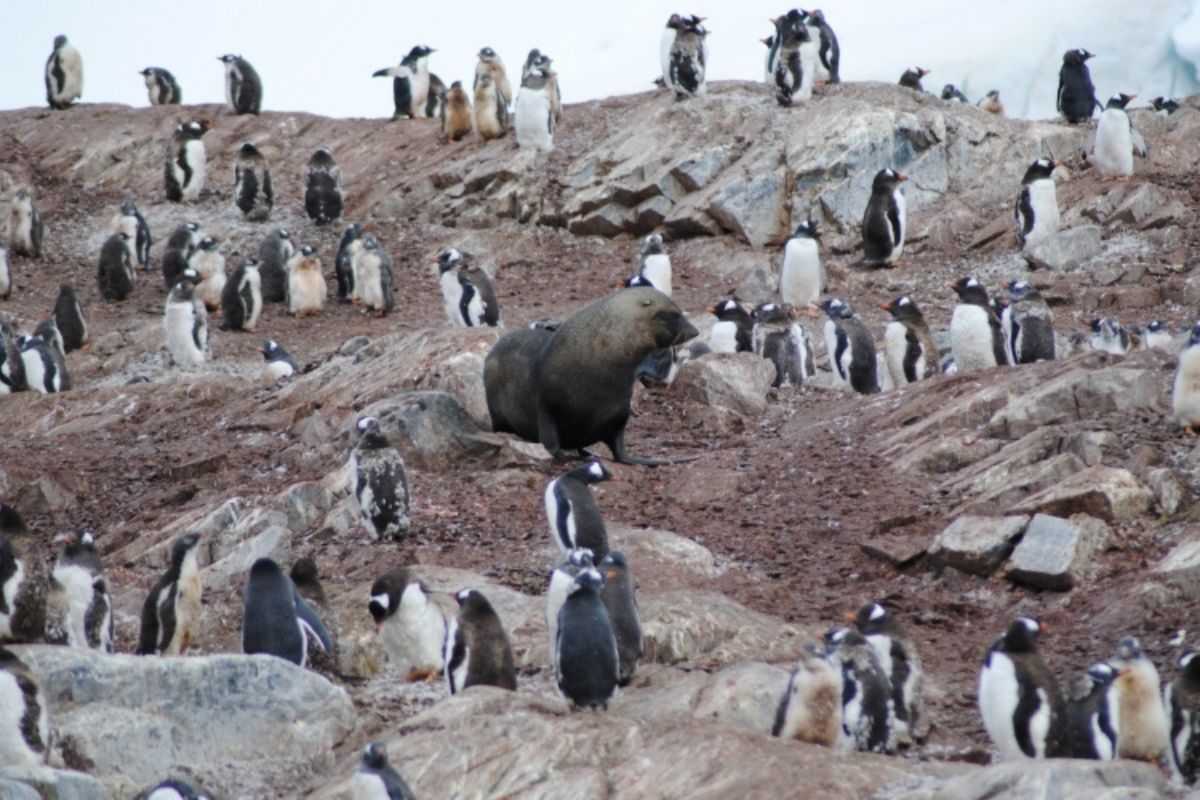
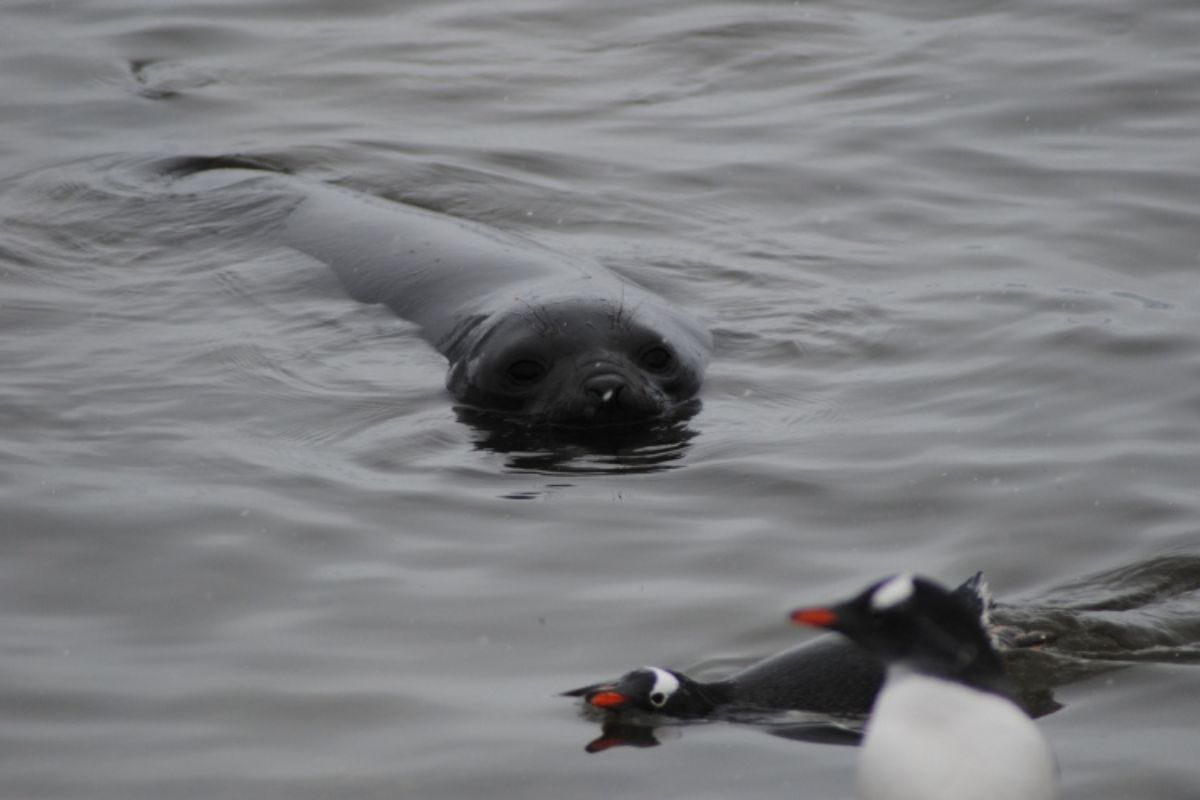
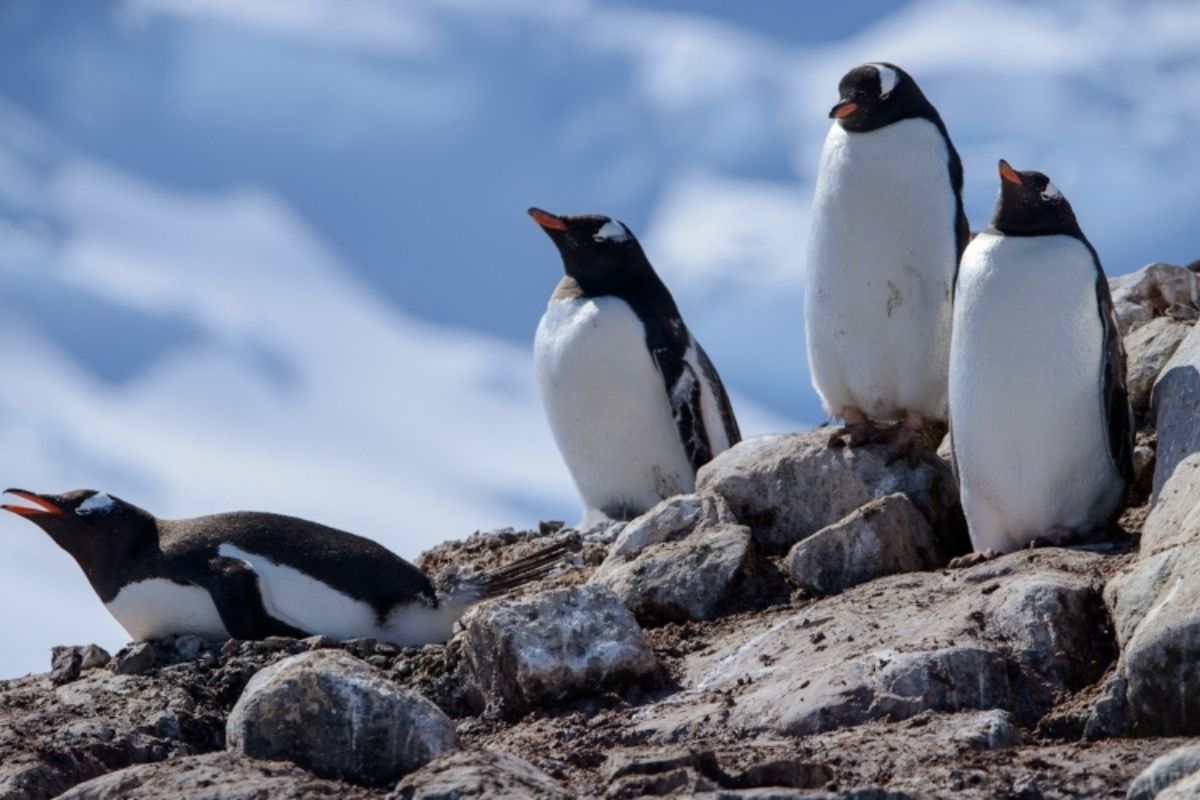
Whatever the choice, the views here are unparalleled. Here there may be more Adélie penguins congregating on nearby ice floes. The Petermann and Pléneau Islands provide a variety of wildlife, along with Zodiac cruising possibilities between ice floes that are popular with leopard and crabeater seals. Minke whales, humpback whales, and Gentoo penguins can be found here.
Conditions in the Drake Passage will determine the exact time of departure.