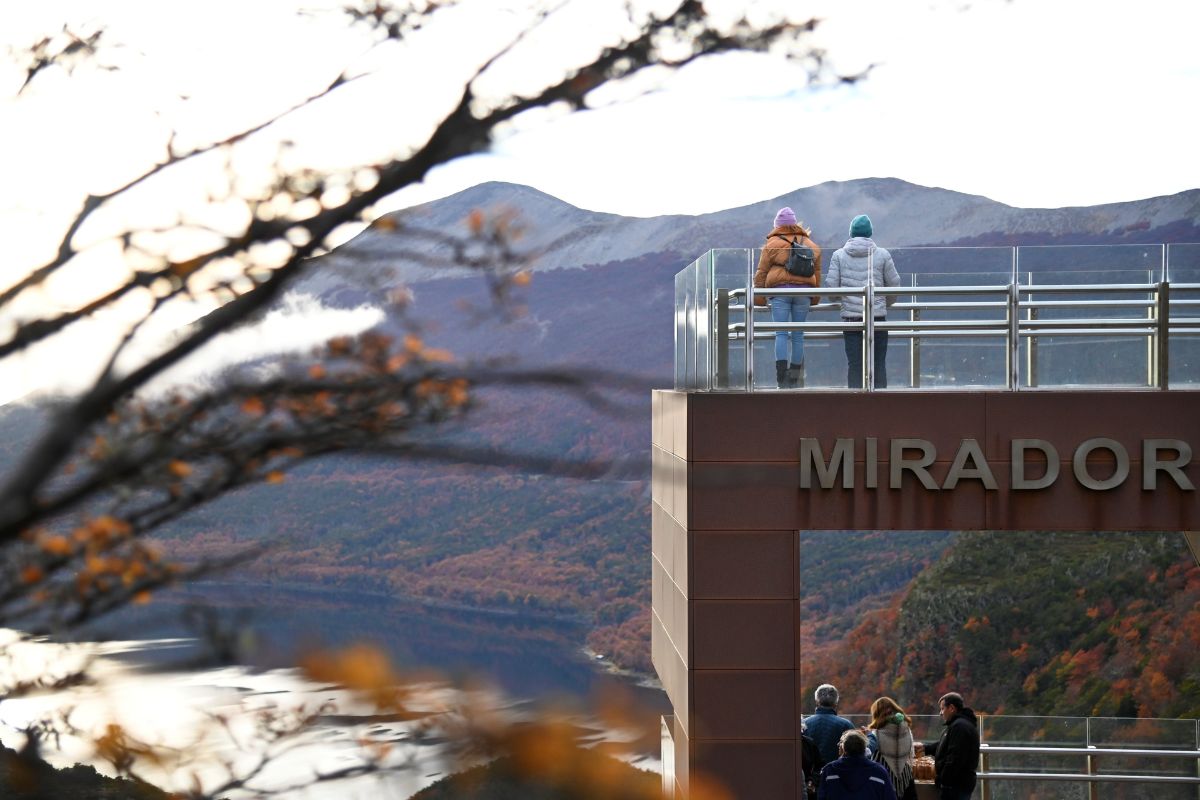
What to expect from Lakes Escondido and Fagnano in autumn
What to expect from Lakes Escondido and Fagnano during the autumn, get to know the most incredible water mirrors in Tierra del Fuego.

At the beginning of the 20th century, in a remote territory, with a hostile climate, surrounded by mountains and bordered by the icy waters of the Beagle Channel, there was a huge stone building populated by the most dangerous prisoners in the country.
Those who regained their freedom and managed to leave the island told the most terrifying stories of this chilling place. For a long time this frozen hell was known as the Argentinean Siberia where nobody wanted to come to serve their sentence.
Here we tell you some curiosities about the Ushuaia Prison:
1. The town was founded in 1884 and one way of establishing a permanent Argentine population was to create a penal colony in Tierra del Fuego inspired by the presidios built by the British in Australia..
2. At that time the nearest town was Punta Arenas in Chile, at the foot of the Strait of Magellan, more than 500 km from Ushuaia. This Alcatraz-like solitary confinement condition coupled with the cold temperatures of the and the almost non-existence of large land animals to be hunted greatly discouraged escapes among convicted prisoners. Some would not even risk it, preferring to be heated and fed in the Presidio rather than try to survive in Tierra del Fuego.
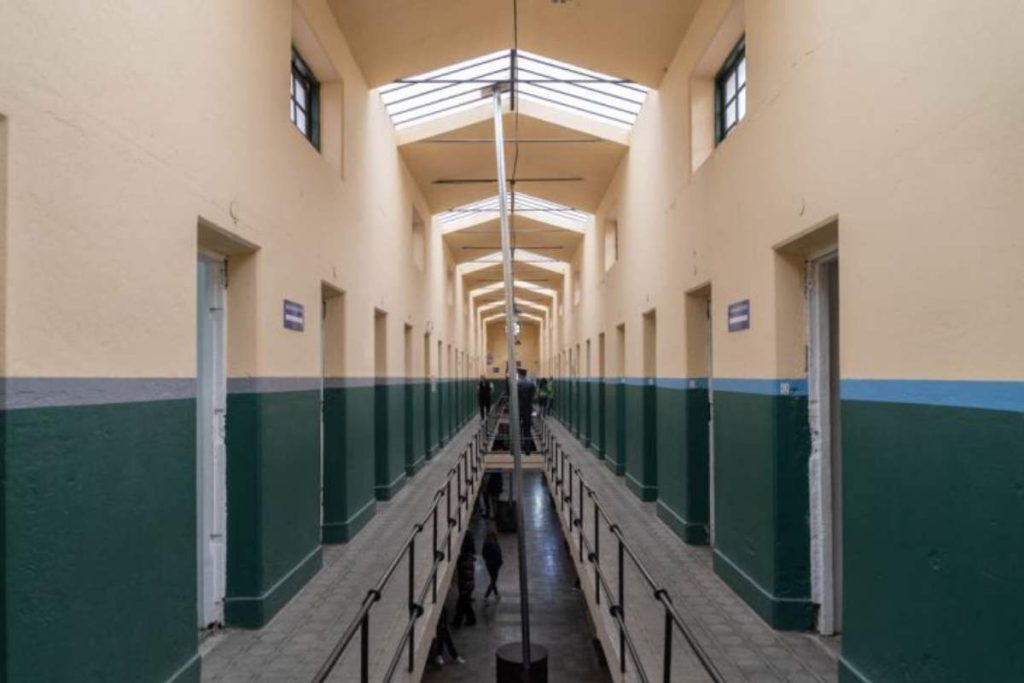
3. The building has a central hall and five two-storey wards with a total of 380 single-person cells. This architectural form of panoptic model was chosen for this prison because from the main nave it was possible to observe all the prisoners held in their cells with the fewest number of guards, as well as with this system the prisoners did not know whether they were really being watched or not..
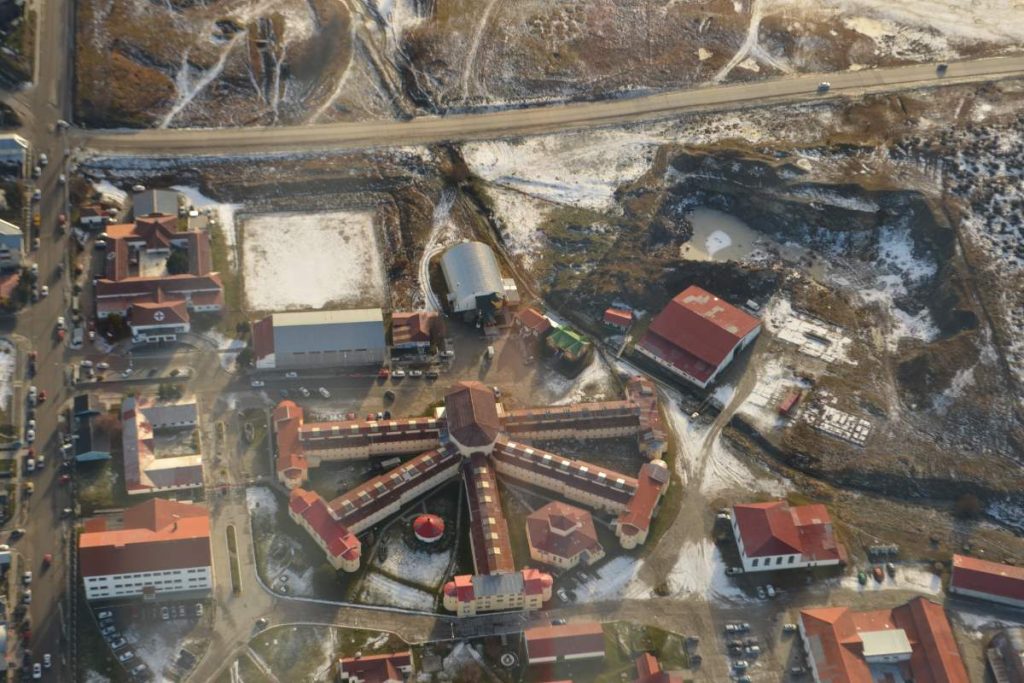
4. The convicts took it upon themselves to build their own prison. The building is made of local rock and mortar, a mixture of sand and lime. The doors and floors of the cells were made of lenga wood and the bars and railings of wrought iron.
5. If they pay attention the building does not have a perimeter wall and never had. It had an extensive wire fence and several checkpoints. This allowed the prisoners to have a view of the outside and at the same time, the neighbours could see the inner workings of the prison.
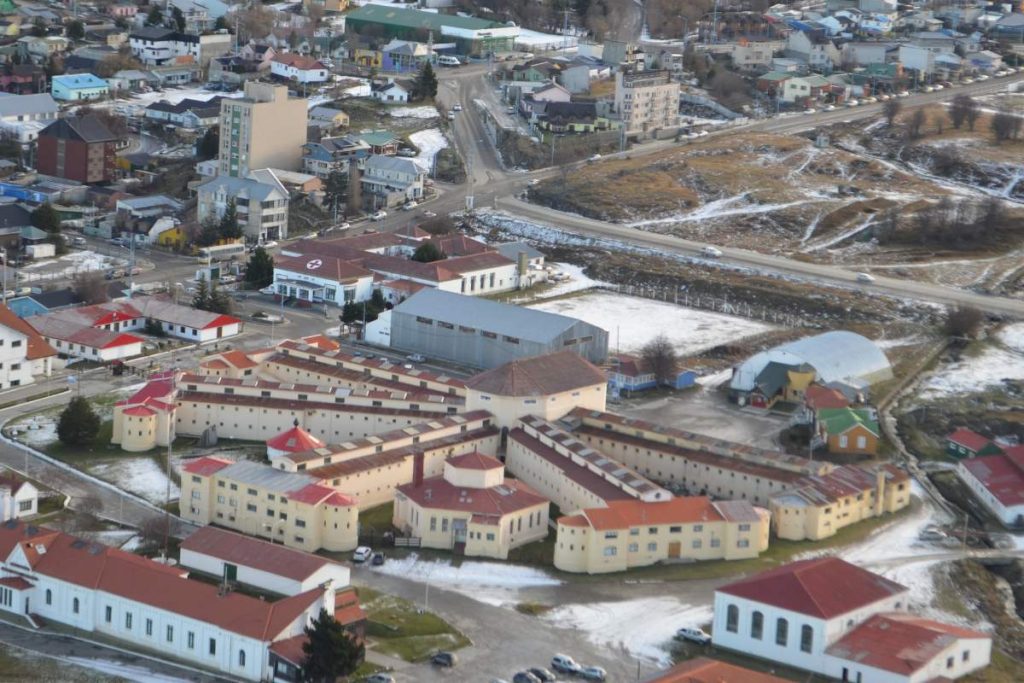
6. The prison helped Ushuaia's development, prisoners were the workforce and they were in charge of opening the streets, building bridges and public buildings such as the school, the governor's house and the church. They also had several workshops such as carpentry, sawmill, tailoring and shoemaking. The first power plant, the printing press, the fire station, the band and the hospital also operated from the Presidio.
7. One of the best-known prisoners was Cayetano Santos Godino, the “Petiso Orejudo” known to be country's first serial killer. He was responsible for the death of four children, seven attempted murders and the burning of seven buildings. He arrived at Ushuaia Prison in 1923 and lived there until 1944. The death of Santos Godino is full of mysteries that you will be able to unveil during your visit to the prison.
8. Another of the best known prisoners was Simon Radowitzky, a young anarchist of Russian origin known for having killed the police chief Ramon Falcon in Buenos Aires when he placed a bomb under his carriage. He was involved in one of the most famous escapes from the End of the World Prison. He managed to escape by boat to Chile, helped by anarchists from outside. His feat was cut short when, before reaching Punta Arenas, he was intercepted by the Chilean police and returned to Ushuaia. Years later he was pardoned by President Yrigoyen with the obligation to go into exile.
9. The journalist and writer Ricardo Rojas was also sent to Ushuaia Prison.. After the coup d'état in 1930, he was arrested for being a radical militant. Although he was not confined in prison, he lived in a small house in the village. During his stay at the End of the World he was inspired to write the book “Archipiélago” about the natives of the region, the first settlers and a harsh criticism of the reality of Ushuaia at that time.
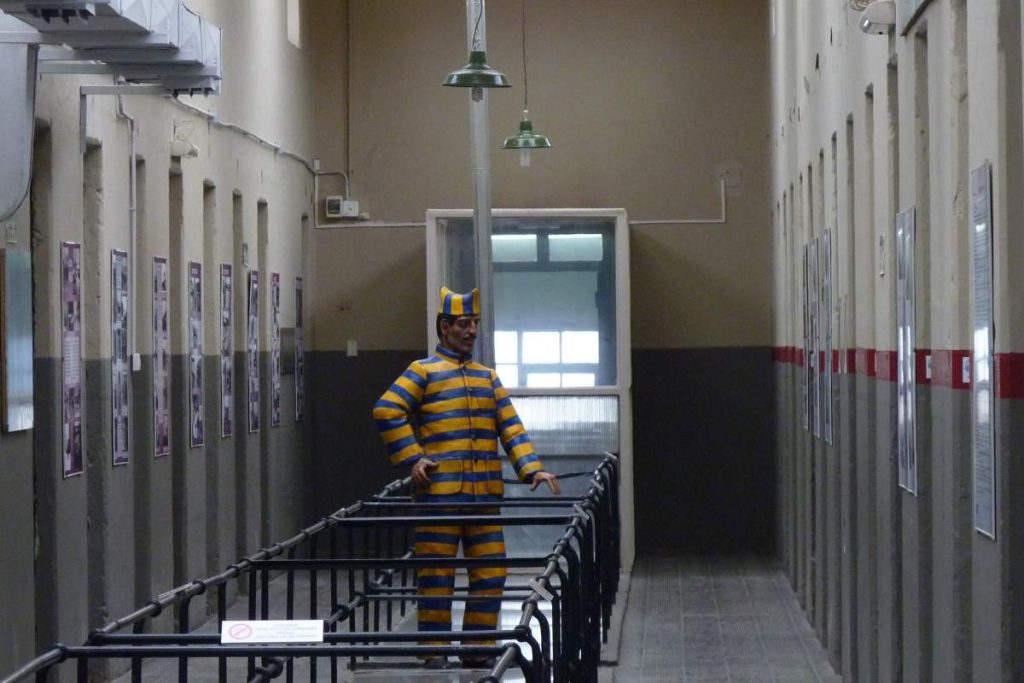
10. The last warden of the prison was Roberto Pettinato., the father of the musician and conductor. He had become the National Director of the Penitentiary of Argentina and in Ushuaia he played an important role towards the end of the history of the prison. He was the one who humanised the prison by eliminating the striped uniform, the shackles, he eliminated certain punishments as well as incorporating cultural and sporting activities for the inmates, as he preferred to call them.
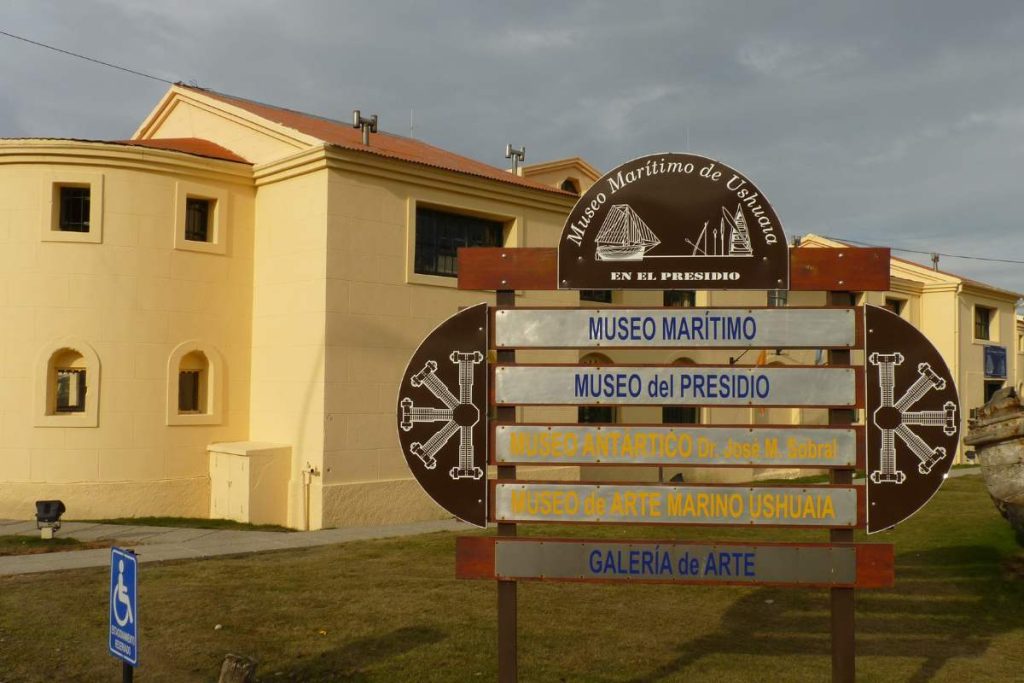
At the entrance you will find the Maritime Museum which illustrates the navigators of the region from the native canoeists to the first European explorers, lobstermen and whalers and scientific expeditions that visited the Fuegian archipelago centuries ago.
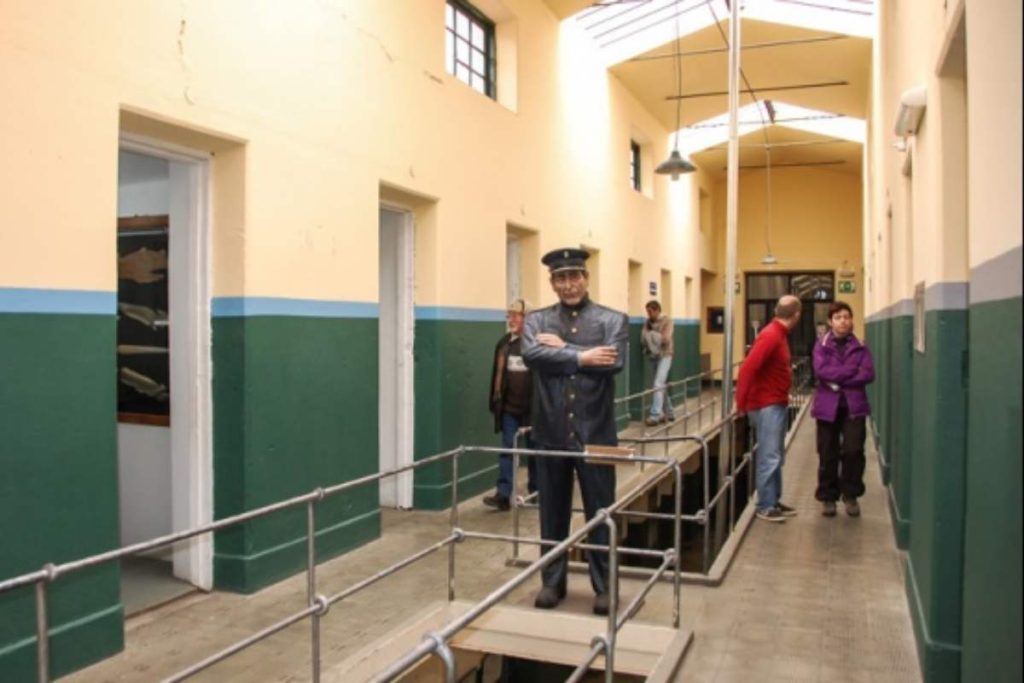
They will then walk through Hall 4 where the Presidio Museum. There you can visit the cells where you can see photographs, models, objects made by the prisoners, uniforms and profiles of the most famous prisoners of this prison.
At the top you will find the Antarctic Museum, an exhibition of taxidermied Antarctic fauna, history of expeditions to the White Continent.
In addition, one of the pavilions houses a Art Gallery with an exhibition of local artists.
The Historic Pavilion is the only one that has not been restored and is still as it was when the Presidio was closed in 1947. It is a cold and dreary pavilion so you can experience what it was like to live in the Prison at the End of the World.
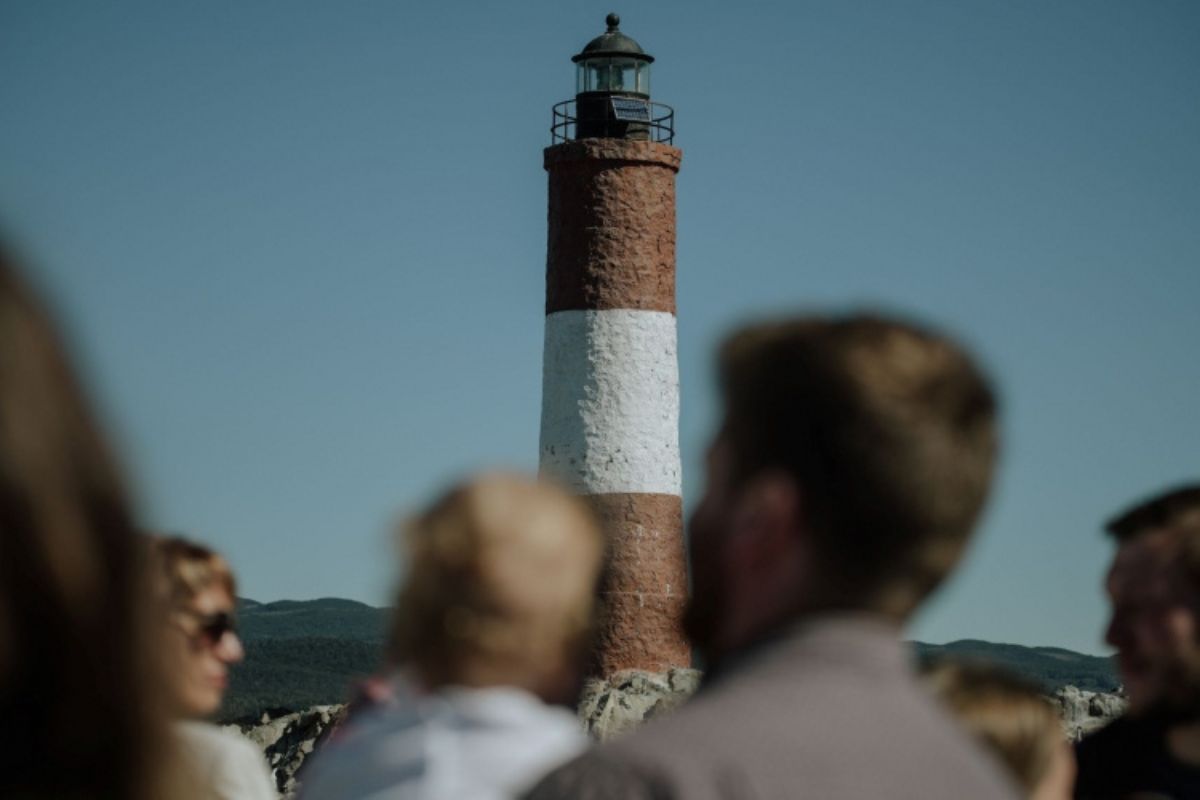
Outside, you can see the life-size replica of the real Lighthouse at the End of the World, The museum also has old locomotives from the prisoner's train and some boats used at the time.
By stamping your ticket before you leave you will be able to use it the next day.
You can ask about the dramatised visits that take place periodically.
What to expect from Lakes Escondido and Fagnano during the autumn, get to know the most incredible water mirrors in Tierra del Fuego.
5 reasons to sail the Beagle Channel in April: A different experience at the end of the world Ushuaia is a
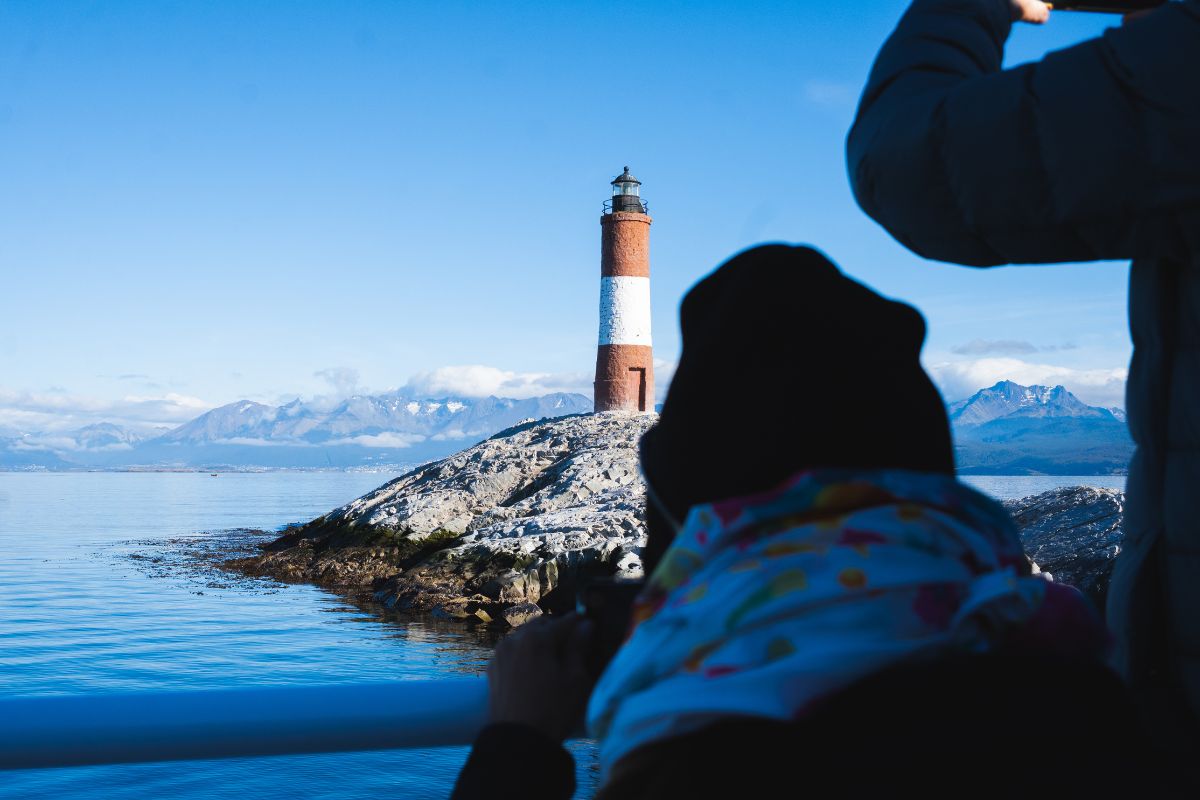
Easter Week in Ushuaia: guide to plan your trip to the End of the World Travelling to Ushuaia for Easter Week
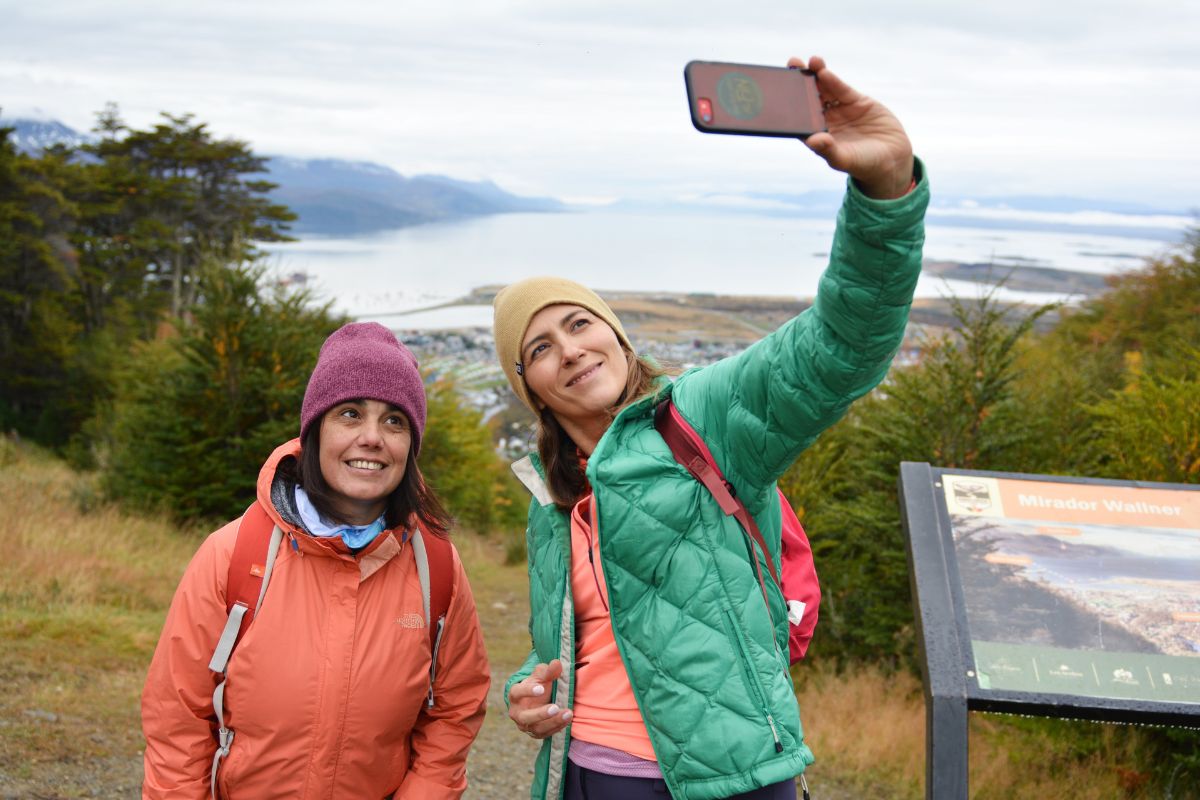
March in Ushuaia, the prelude to the southern autumn March is that point where Ushuaia is enjoyed more calmly,
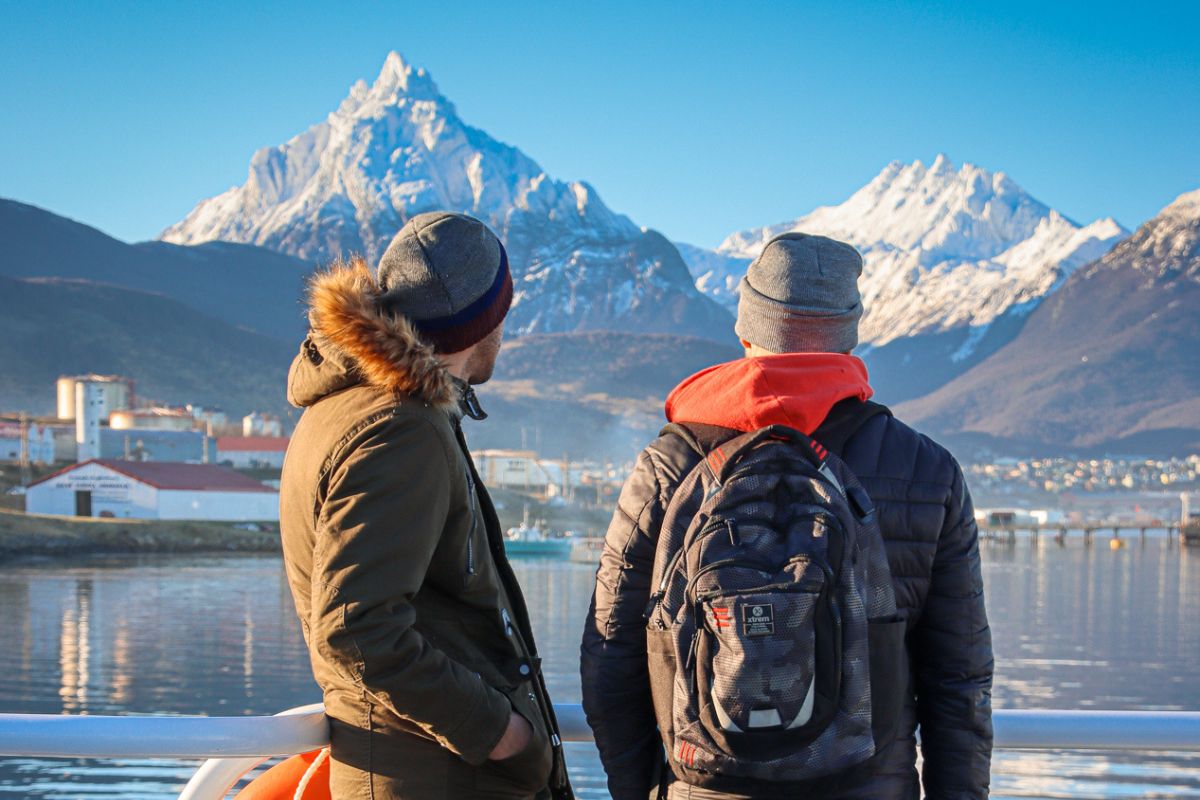
Why visit the Beagle Channel in the summer: Reasons to enjoy an iconic landscape in an incredible season When
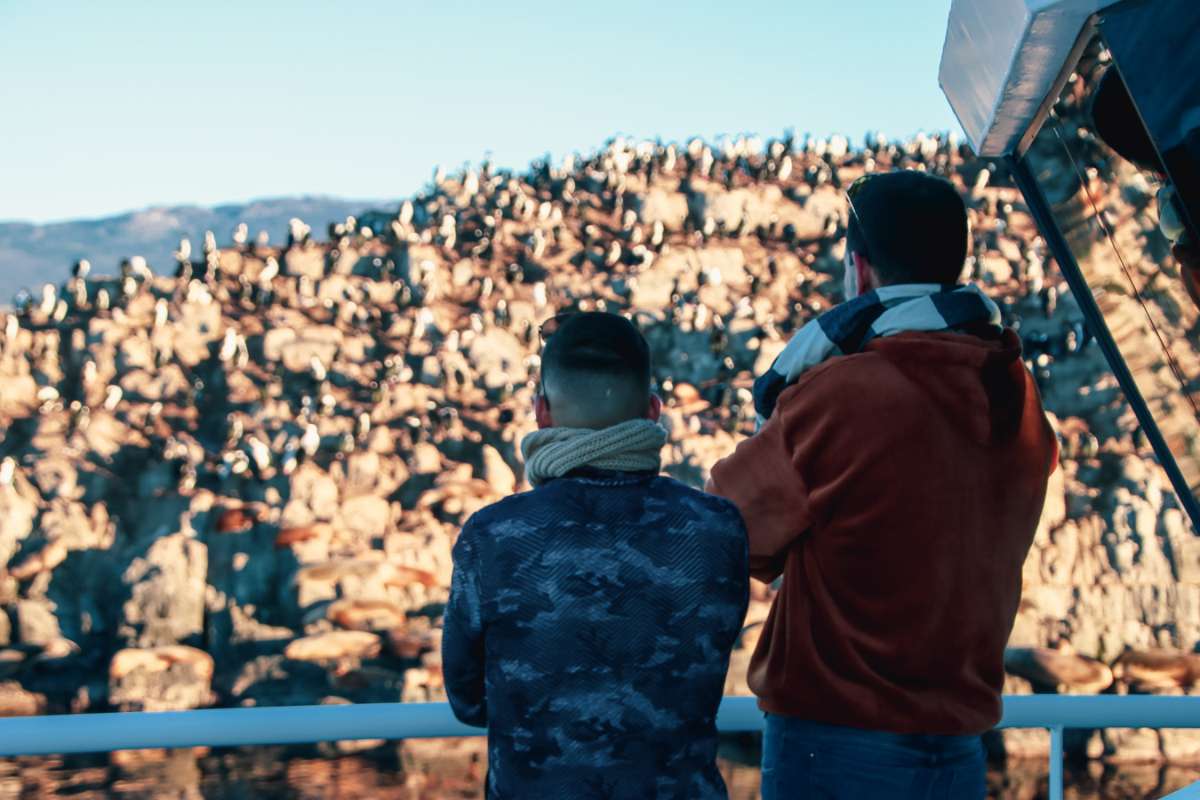
3 Experiences to feel the end of the world in summer: Sailing, End of the World Train and Tierra National Park.