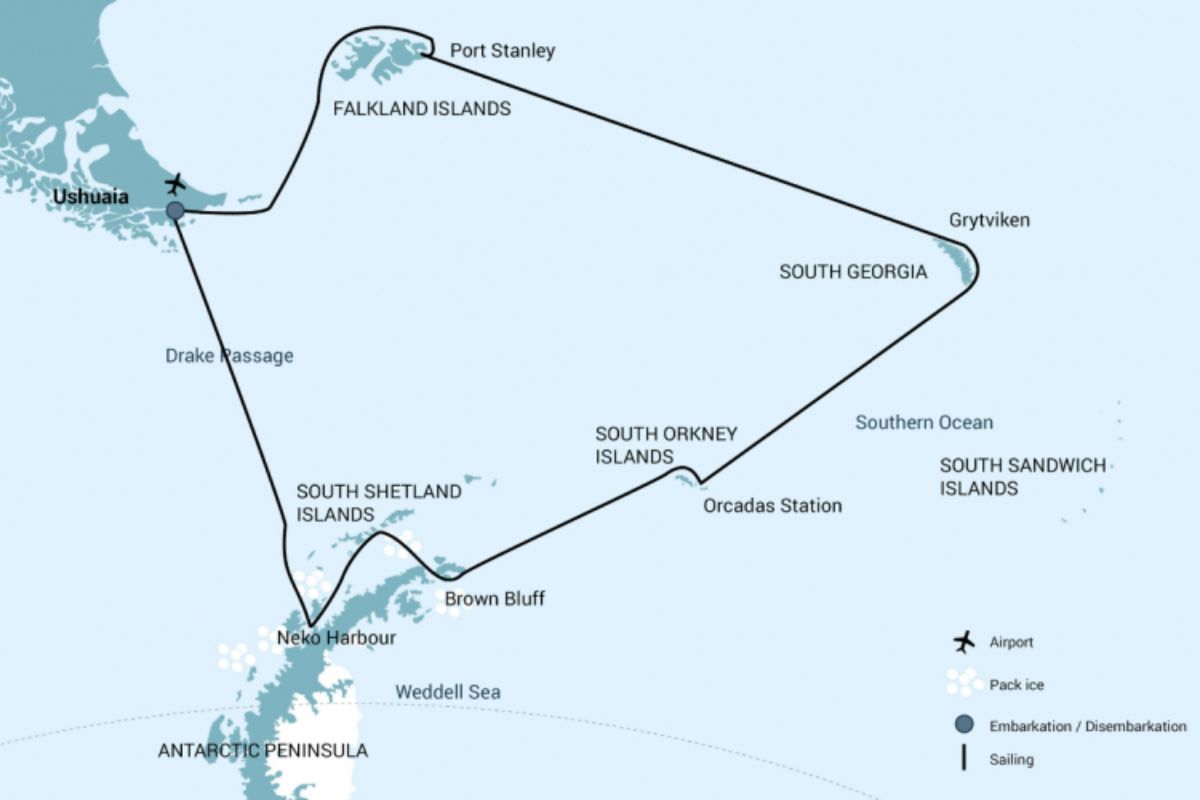
Falkland Islands - South Georgia - Antarctica

Difficulty: Very low

About the excursion

This itinerary is for guidance only. The programme may vary depending on ice, weather and wildlife conditions. Landings are subject to site availability, permits and environmental concerns as per IAATO regulations. Official sailing plans and landing slots are scheduled with IAATO prior to the start of the season, but the expedition leader determines the final plan. Flexibility is paramount for expedition cruising. The average cruising speed for our vessel is 10.5 knots. Don't miss this adventure with Terramar!

  • Languages: ENGLISH
  • Duration: 19 days

malvinas georgias antarctica 14

Itinerary

Day 1: End of the world beginning of a journey

Your journey begins where the world ends. Ushuaia, Argentina, known as the southernmost city in the world, is located at the southern tip of South America. During the afternoon you will embark in this small Tierra del Fuego city - called "At the End of the World" - and sail the rest of the day along the scenic Beagle Channel flanked by mountains.

Day 2: The Winged Life of the Westerlies

Several species of albatross follow in the wake of the ship into the westerly winds, along with storm petrels, shearwaters and diving petrels.

Day 3: Discovering the Falklands

The Falkland Islands offer an abundance of wildlife that is easy to access, although caution is always advised. These islands are largely undiscovered gems, which were the scene of the war between Britain and Argentina in 1982. Not only are they home to several species of birds, but there is also a good chance of seeing Commerson's dolphins and dolphins in the neighbouring waters.
During this part of the trip you may visit the following sites:
Carcass Island (Rosario Island) - Despite its name, this island is rodent-free and therefore abundant with birds and many endemic species. From Magellanic and Gentoo penguins that nest here, to shorebirds and passerines (including the Malvinas and the Black-winged Whimbrel) that make these islands their home.
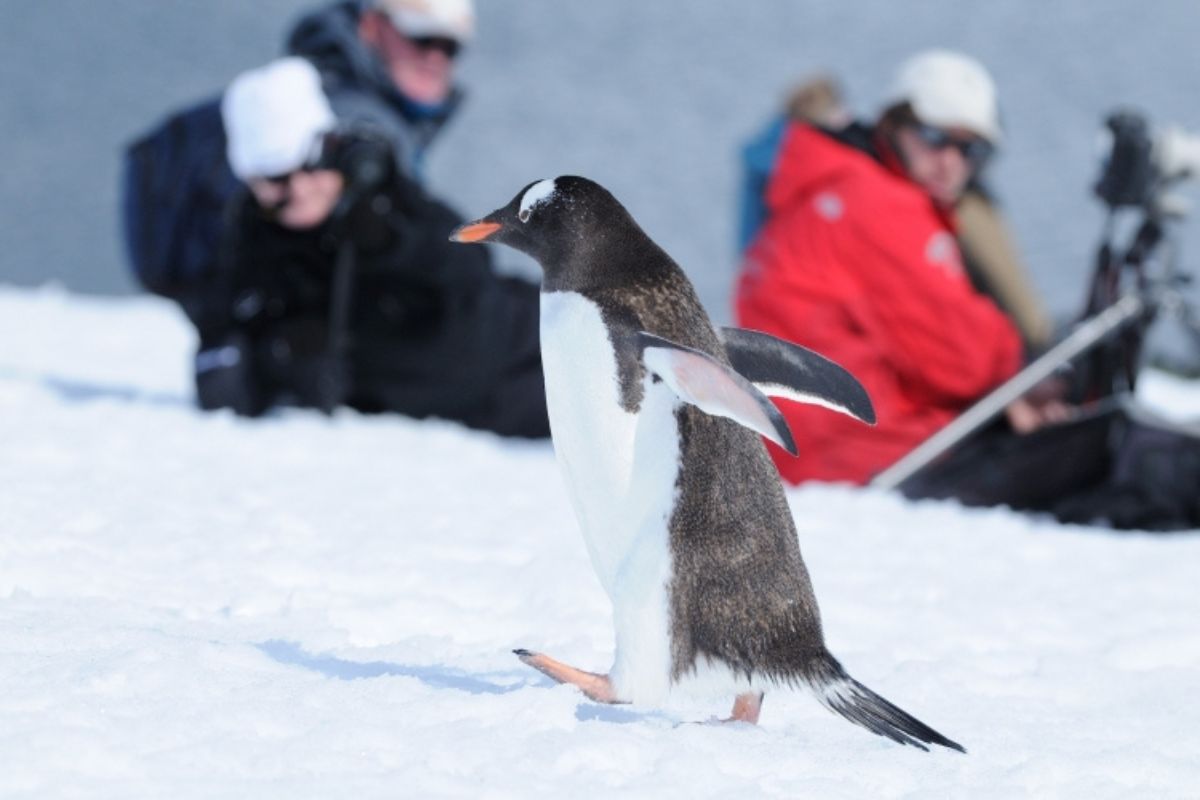
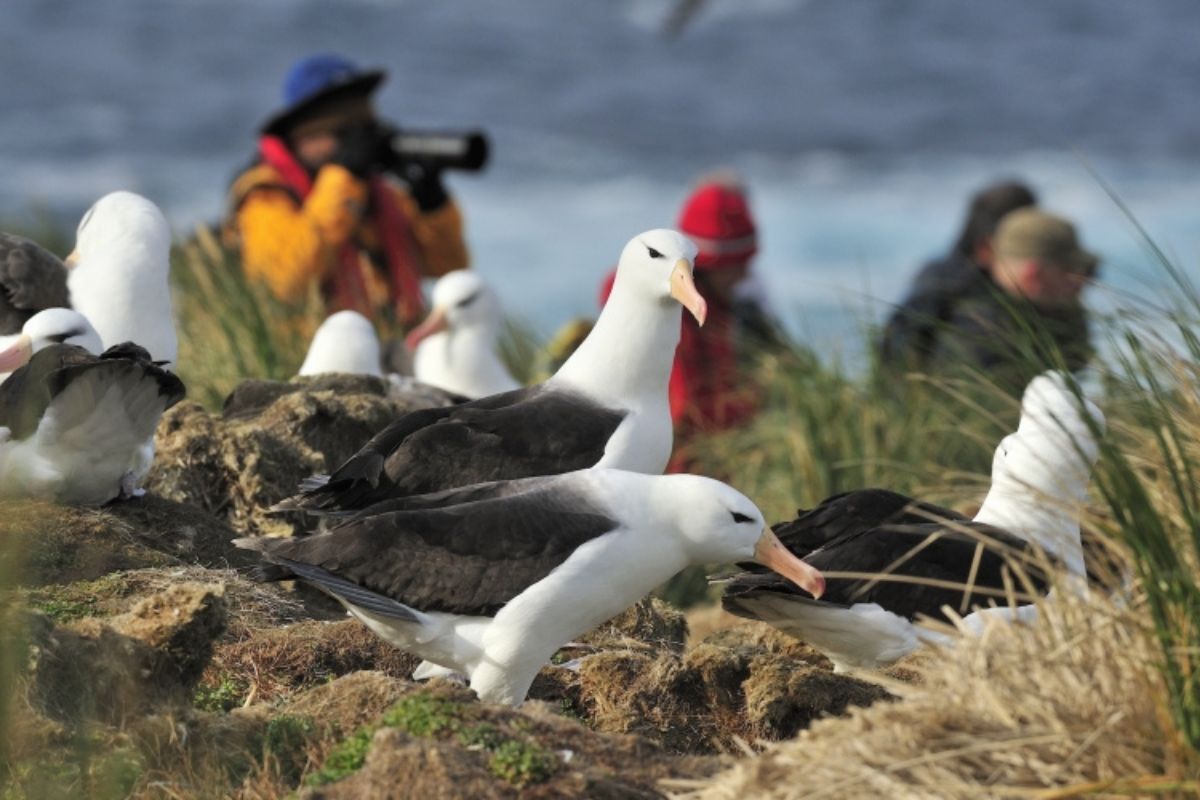
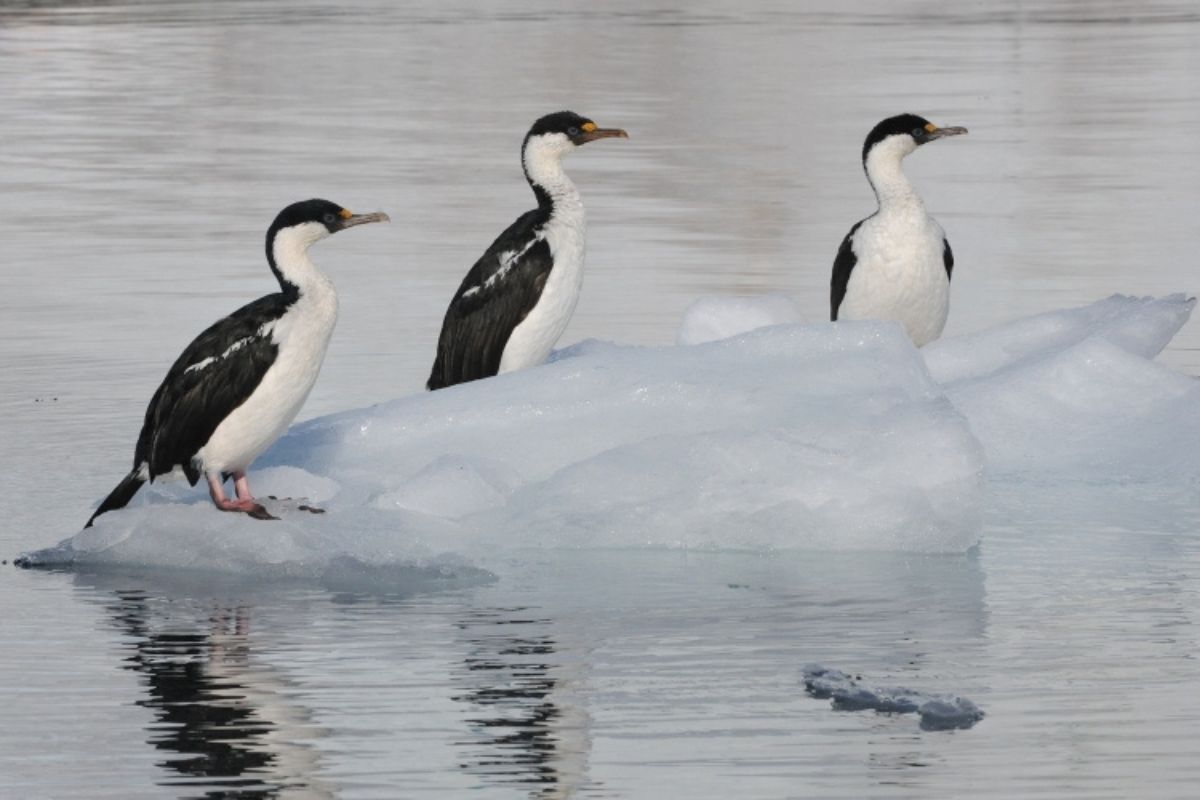
Saunders Island - On Saunders Island it is possible to visit the nests of black-browed albatrosses and see their sometimes awkward landings. Imperial cormorants and yellow-plumed penguins also nest here. It is also possible to see King, Magellanic and Gentoo penguins.

Day 4: The seat of Malvinas culture

The capital of the Falkland Islands and the seat of their culture, Port Stanley (Stanley) has a certain Victorian-era charm: colourful houses, well-tended gardens and English-style pubs can be seen. You can also see several century-old clipper ships, silent witnesses to the hardships faced by 19th-century sailors.
The small but interesting museum is worth a visit, tracing the history of the islands from the first settlements to the 1982 war.
Approximately 2100 people live in Port Stanley (Stanley). Feel free to wander the streets. Admission to the museum is included.

Days 5 - 6: Once more to the open sea

On the way to South Georgia you will cross the Antarctic Convergence. The temperature drops considerably in just a few hours and nutrient-rich water rises to the surface as a result of the meeting of different water columns. This phenomenon attracts a multitude of seabirds around the ship, including several species of albatrosses, shearwaters, petrels, prions and skuas.

Days 7 - 10: Journey to South Georgia

Today you will arrive at the first site in South Georgia where activities are possible. Please note that the weather in the area can be challenging and largely determines the programme.
Sites that can be visited include:

Prion Island - This site is closed during the beginning of the breeding period of wandering albatrosses (20 November to 7 January). From January onwards, the breeding adults have already rejoined their mates and are incubating eggs or caring for their chicks. Enjoy observing the gentle nature of these animals that have the largest wingspans of any bird in the world.

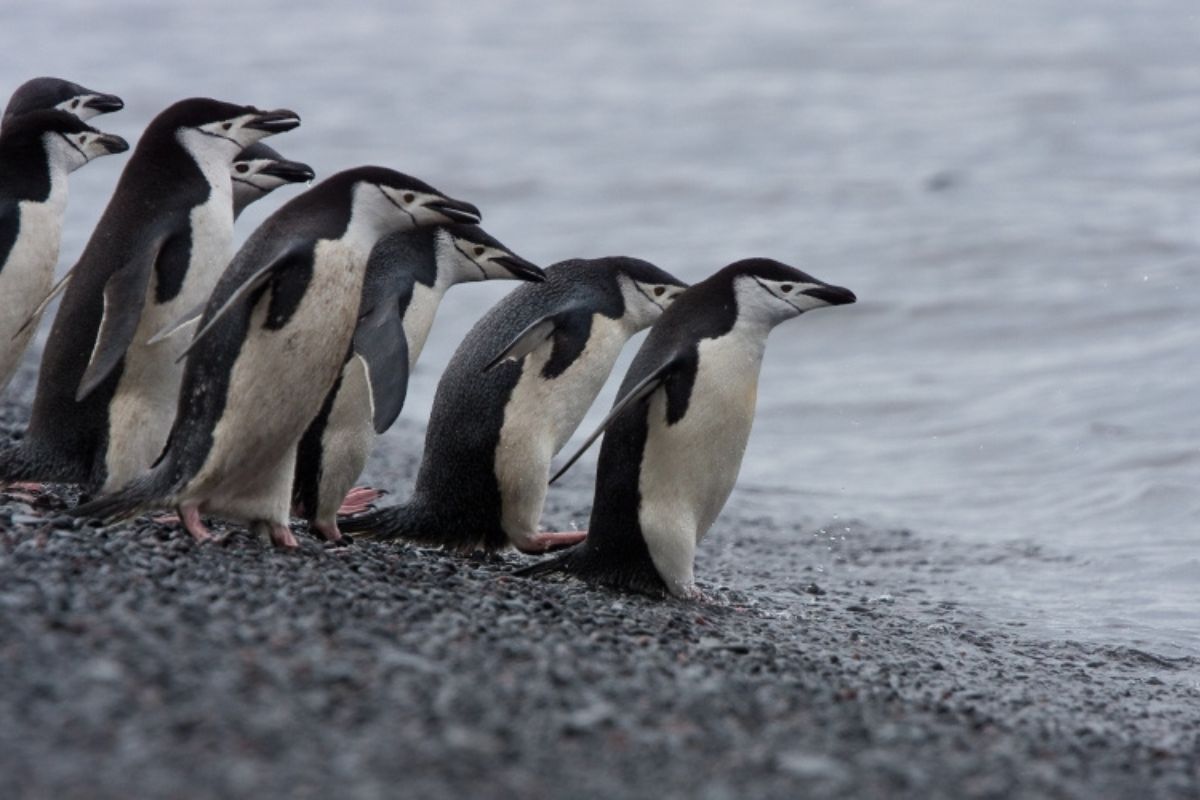
Salisbury Plain, St. Andrew's Bay, Gold Harbour- These sites not only host the three largest king penguin colonies in southern Georgia, but also three of the largest breeding beaches for Antarctic fur seals in the world. Literally millions of Antarctic fur seals breed in southern Georgia during December and January. It is only in the off-season that they reach the peak of their breeding cycle. There will be some young adult elephant seals as well as "Weaner's; the young elephant seals that are left to their own devices. Watch your step and keep cool when walking the beaches during this time.

Fortuna Bay - A beautiful outlet plain of the Fortuna Glacier is home to an abundance of king penguins and seals. Here you may also have the opportunity to follow the final section of the Shackleton Trail to the abandoned whaling village of Stromness. This trail crosses the mountain pass beyond Shackleton's Waterfall, and as the terrain is partly boggy, be prepared to cross some small streams.

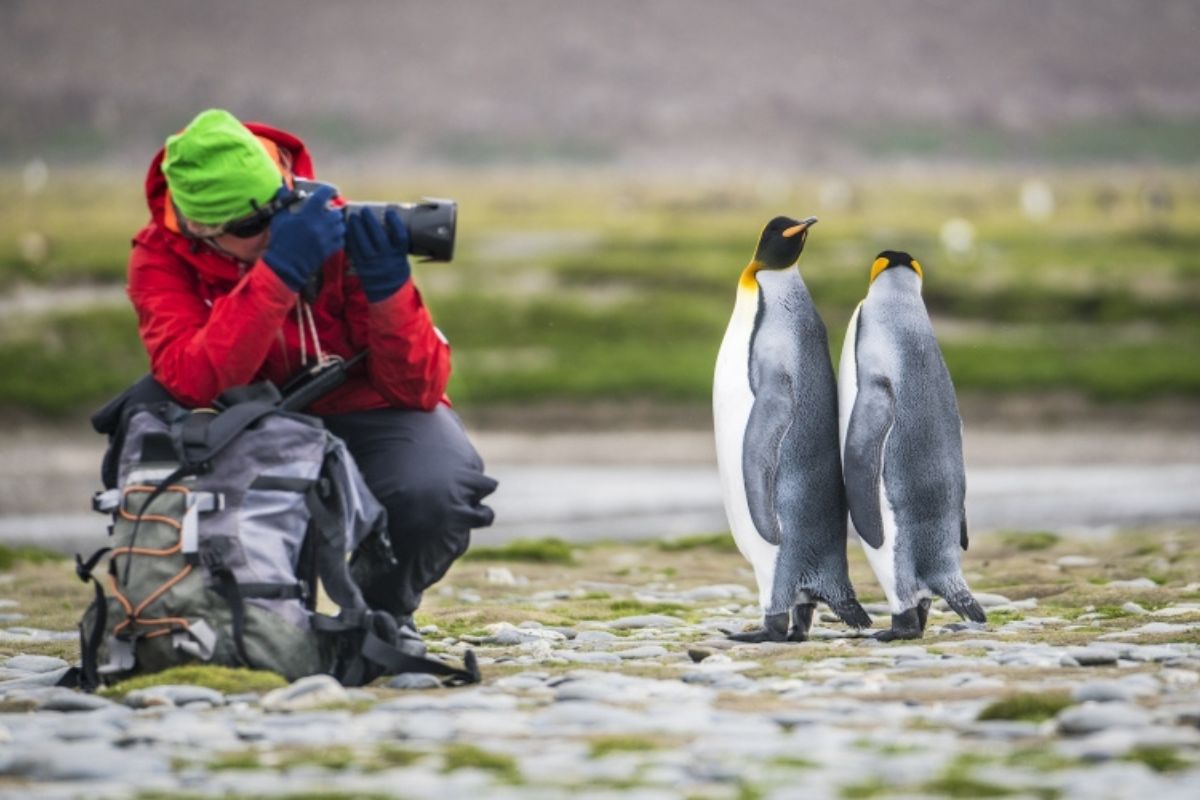
Grytviken - At this abandoned whaling station, King penguins roam the streets and elephant seals lie around as if they own the place - basically because they do. Here it is possible to visit the South Georgia museum and Shackleton's grave.
On the afternoon of the 10th and depending on the conditions, we will start sailing south towards the South Orkney Islands.

Day 11: Heading south

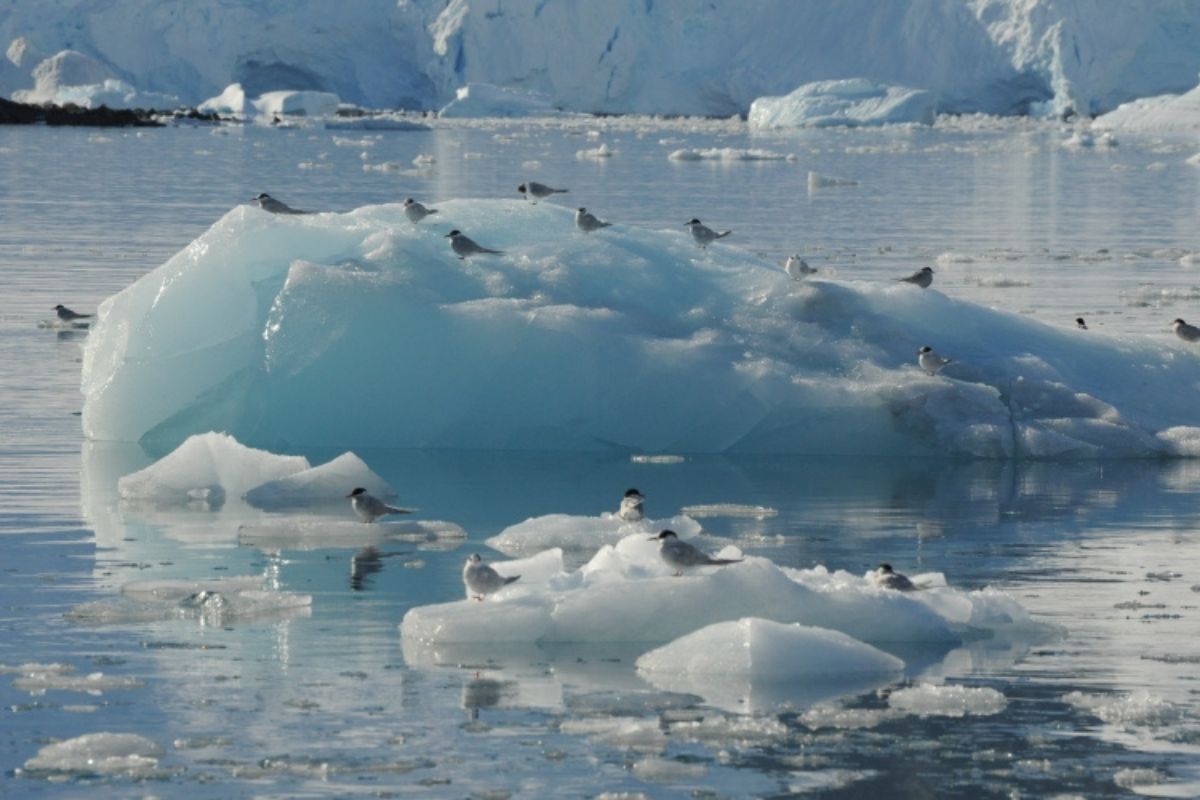
It is possible to find sea ice on this route and nearby some polar sculpin and snow petrels may join the other birds following in the wake of the ship.

Day 12: The scenic views of the South Orkney Islands

Depending on conditions it may be possible to visit the Argentina Orkney base on Laurie Island in the South Orkney archipelago. The base staff will be happy to guide you around the facilities, where you can enjoy the view of the surrounding glaciers. If a visit is not possible you may be able to disembark at Shingle Cove on Coronation Island.

Day 13 - 14: Entry into Antarctica

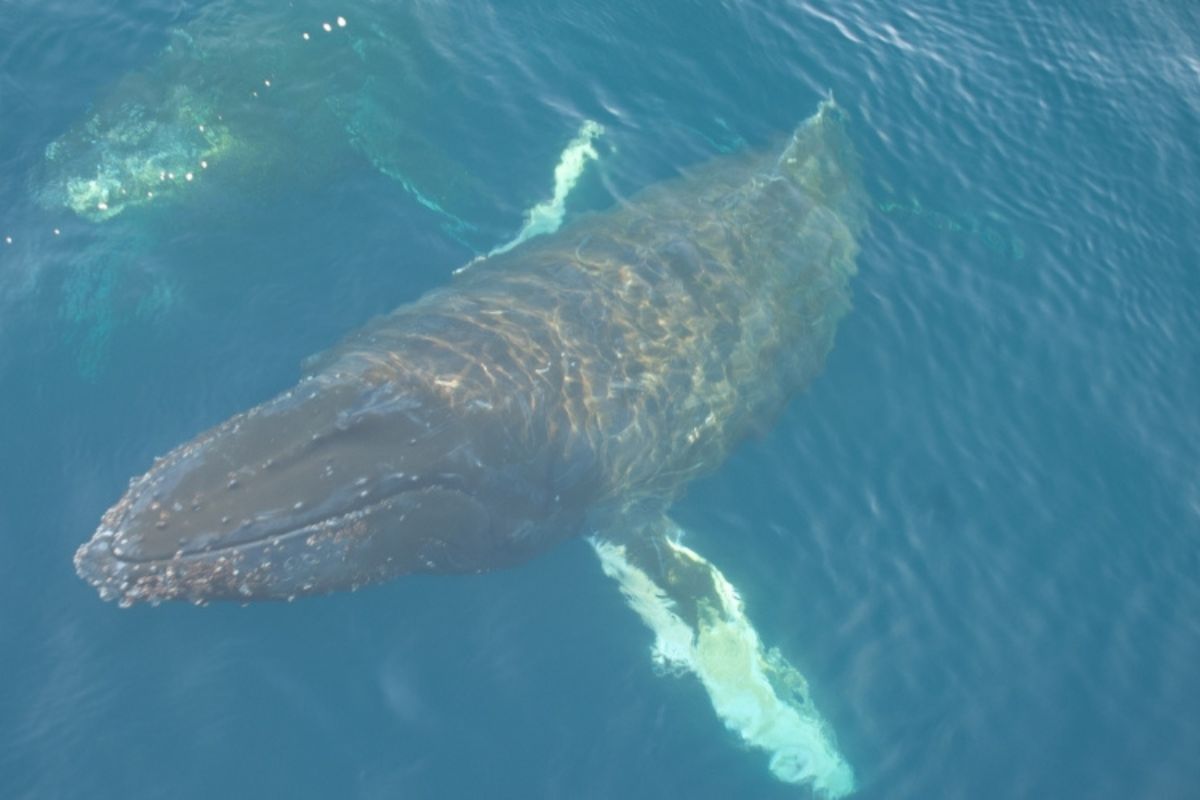
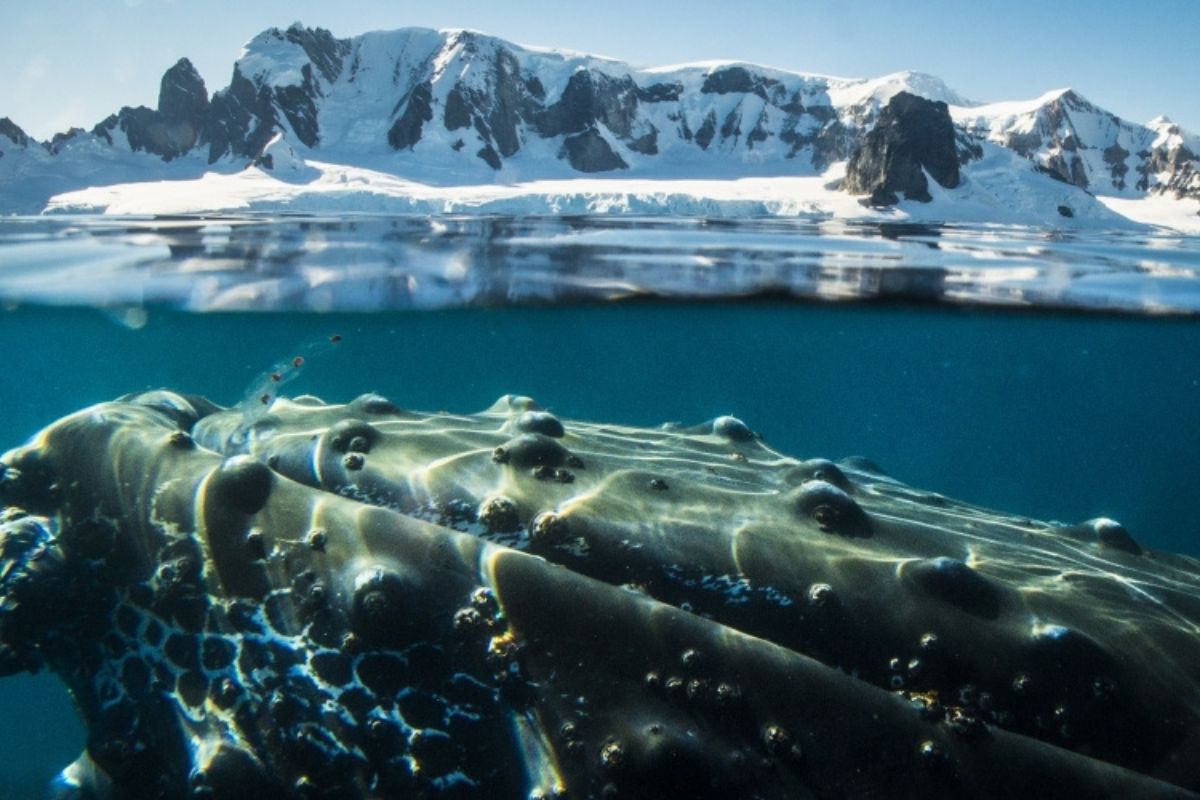
The huge icebergs and good chances of spotting Alta whales ensure that there are no dull moments on this last stretch of sea to the south. This is also your best chance of spotting Antarctic petrels. Depending on conditions, we aim to start activities on the afternoon of the 14th.

Days 15 - 16: Imposing Antarctica

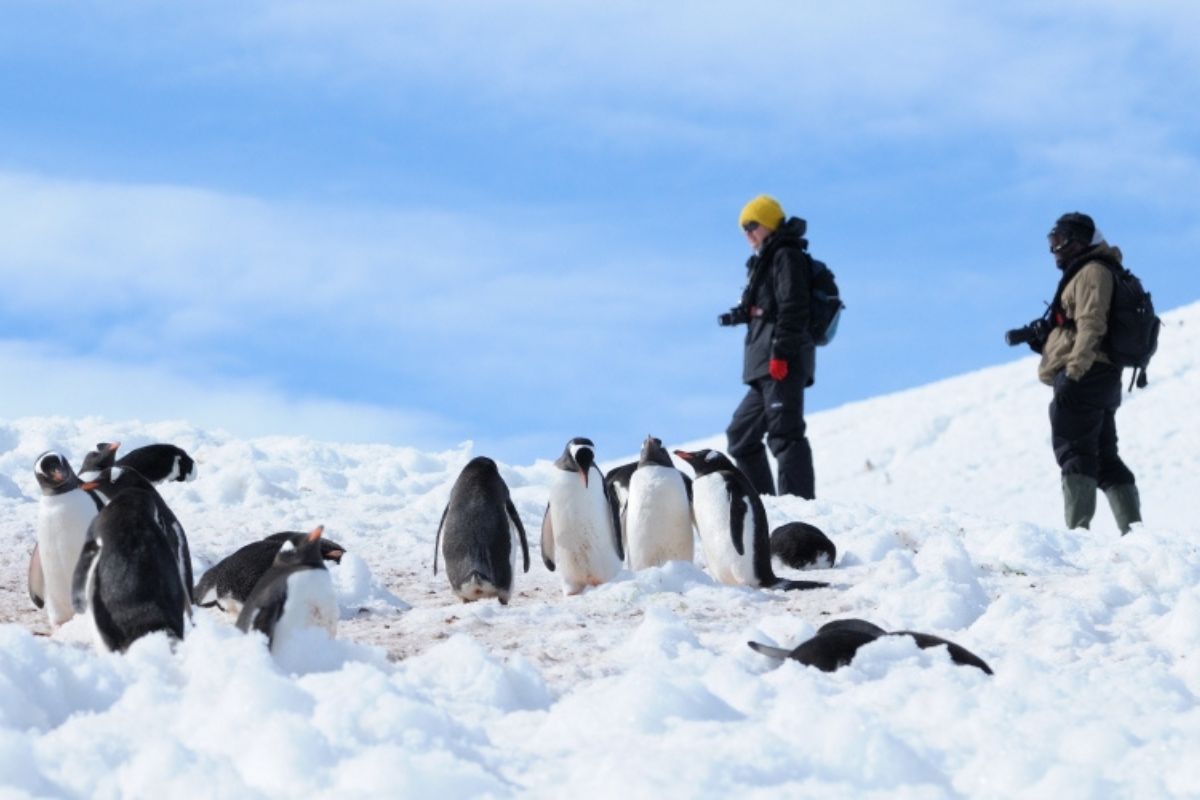
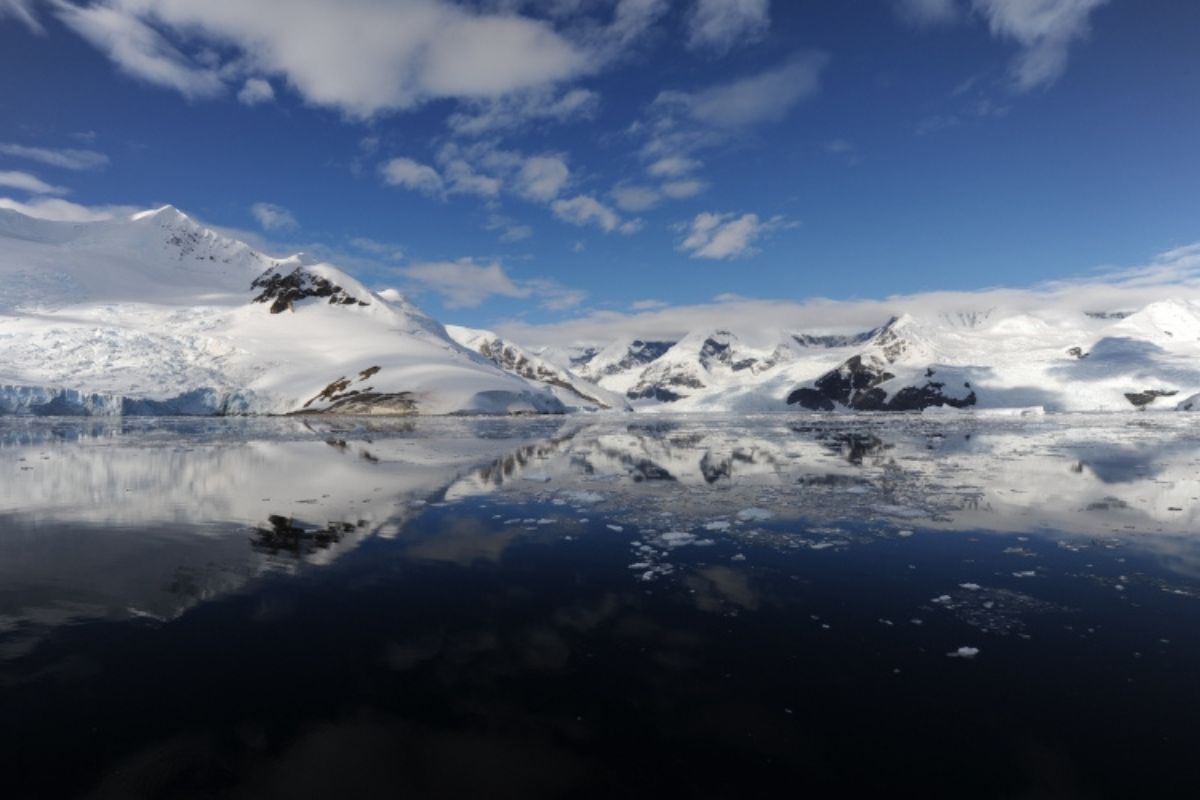
Ice conditions permitting, you will be sailing into the Weddell Sea. Here huge tabular icebergs proclaim your arrival to the east of the Antarctic Peninsula. Paulet Island, with its huge colony of Adelie penguins, is a possible stop. It is also possible to visit Brown Farallon, situated in the ice-filled Antarctic Sound, where you can set foot on the Antarctic continent itself.
If conditions for entering the Weddell Sea are not favourable, the ship will head towards Elephant Island, heading for the Bransfield Strait between the South Shetland Islands and the Antarctic Peninsula. From here it is possible to attempt to enter the Antarctic Sound from the northwest.
The breathtaking scenery continues on Bransfield Straight and, conditions permitting, further south into the Gerlache Strait. Conditions in the Drake Passage determine the exact departure time.

Days 17 - 18: Familiar Seas, Familiar Friends

The return journey is far from solitary. During the Drake crossing you are once again greeted by the seabirds that accompanied you on the journey south. But this time they will be more familiar to you, and you to them.

Day 19 Return

very adventure, no matter how great, must eventually come to an end. It is time to disembark in Ushuaia, but with memories that will accompany you wherever your next adventure takes you.

Image gallery

Send us your enquiry

Tentative travel date

Explore other excursions