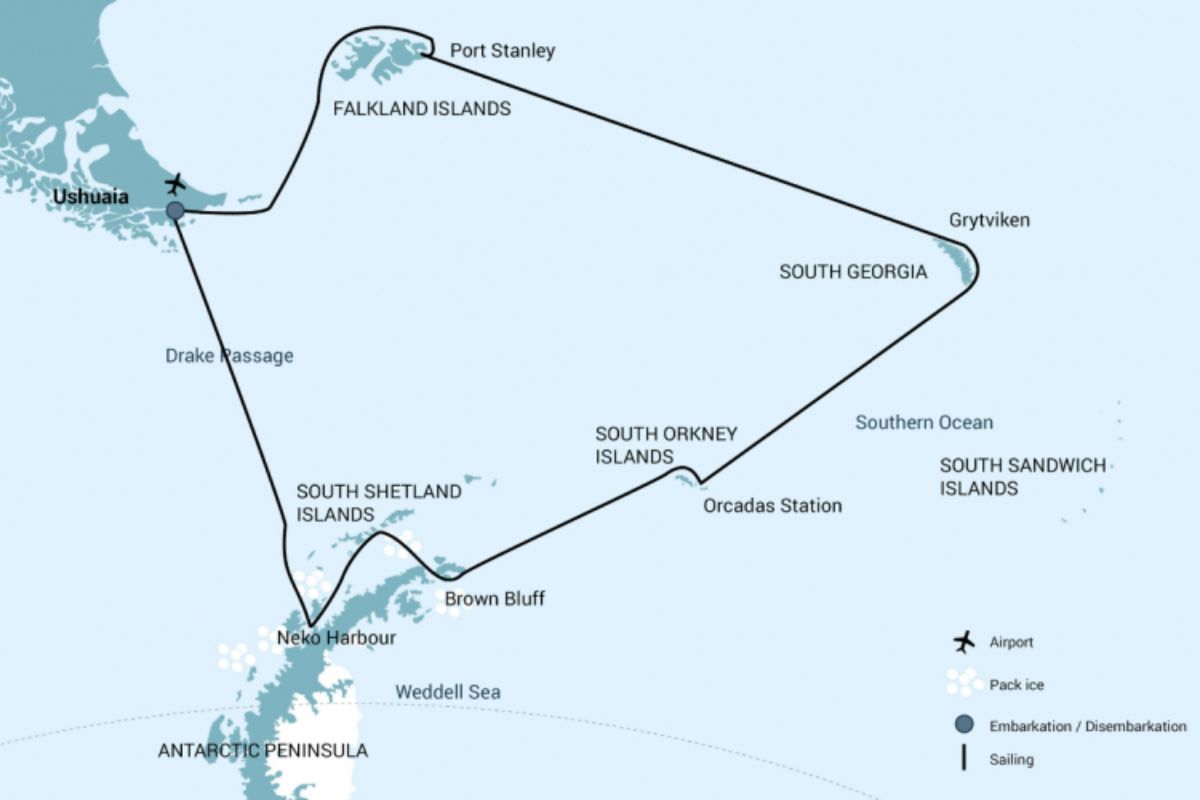
This itinerary is for guidance only. The programme may vary depending on ice, weather and wildlife conditions. Landings are subject to site availability, permits and environmental concerns as per IAATO regulations. Official sailing plans and landing slots are scheduled with IAATO prior to the start of the season, but the expedition leader determines the final plan. Flexibility is paramount for expedition cruising. The average cruising speed for our vessel is 10.5 knots. A unique experience with Terramar!
Your journey begins where the world ends. Ushuaia, Argentina, known as the southernmost city in the world, is located at the southern tip of South America. During the afternoon you will embark in this small Tierra del Fuego city - called "At the End of the World" - and sail the rest of the day along the scenic Beagle Channel flanked by mountains.
Several species of albatross follow in the wake of the ship into the westerly winds, along with storm petrels, shearwaters and diving petrels.
The Falkland Islands offer an abundance of wildlife that is easy to access, although caution is always advised. These islands are largely undiscovered gems, which were the scene of the war between Britain and Argentina in 1982. Not only are they home to several species of birds, but there is also a good chance of seeing Commerson's dolphins and dolphins in the neighbouring waters.
During this part of the trip you may visit the following sites:
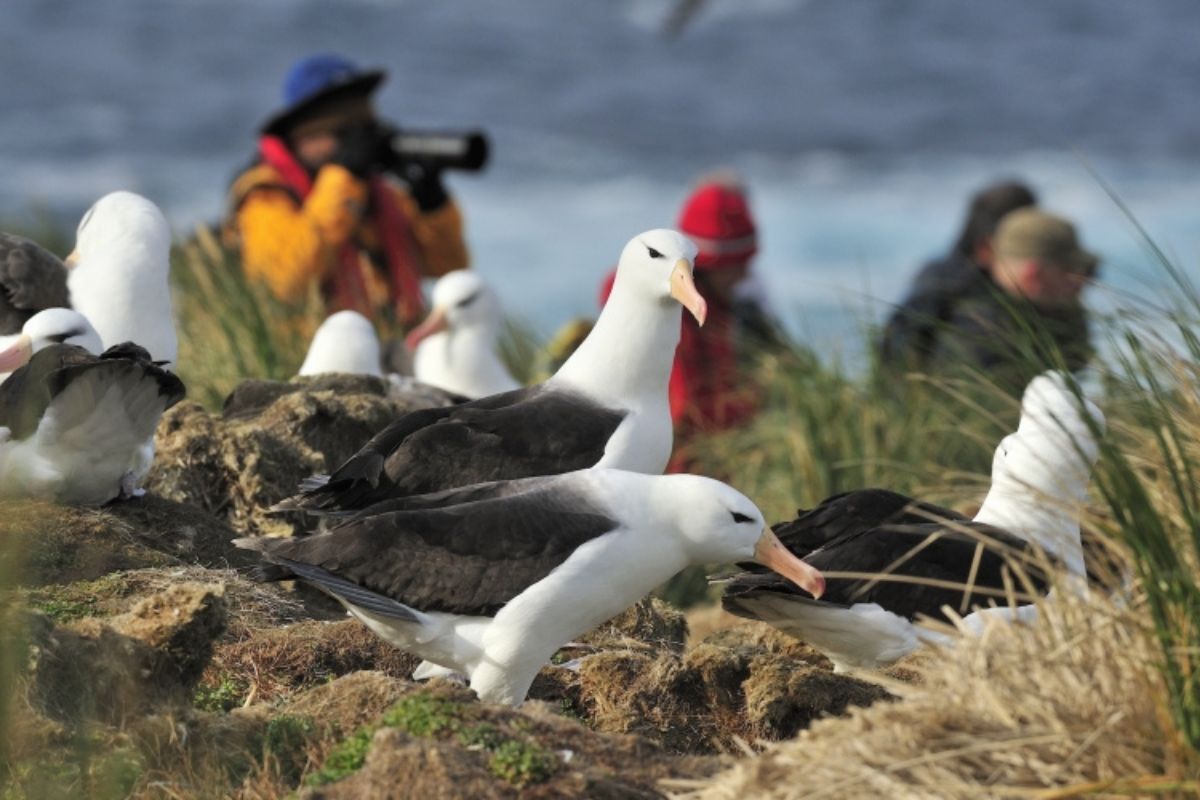
Westpoint Island - This beautiful island is home to a variety of bird species, from shorebirds near the landing site to black-browed albatrosses in the nest. Among them is a colony of Yellow-plumed Penguins that have to make an incredible climb from the sea to reach their nests among the albatrosses.
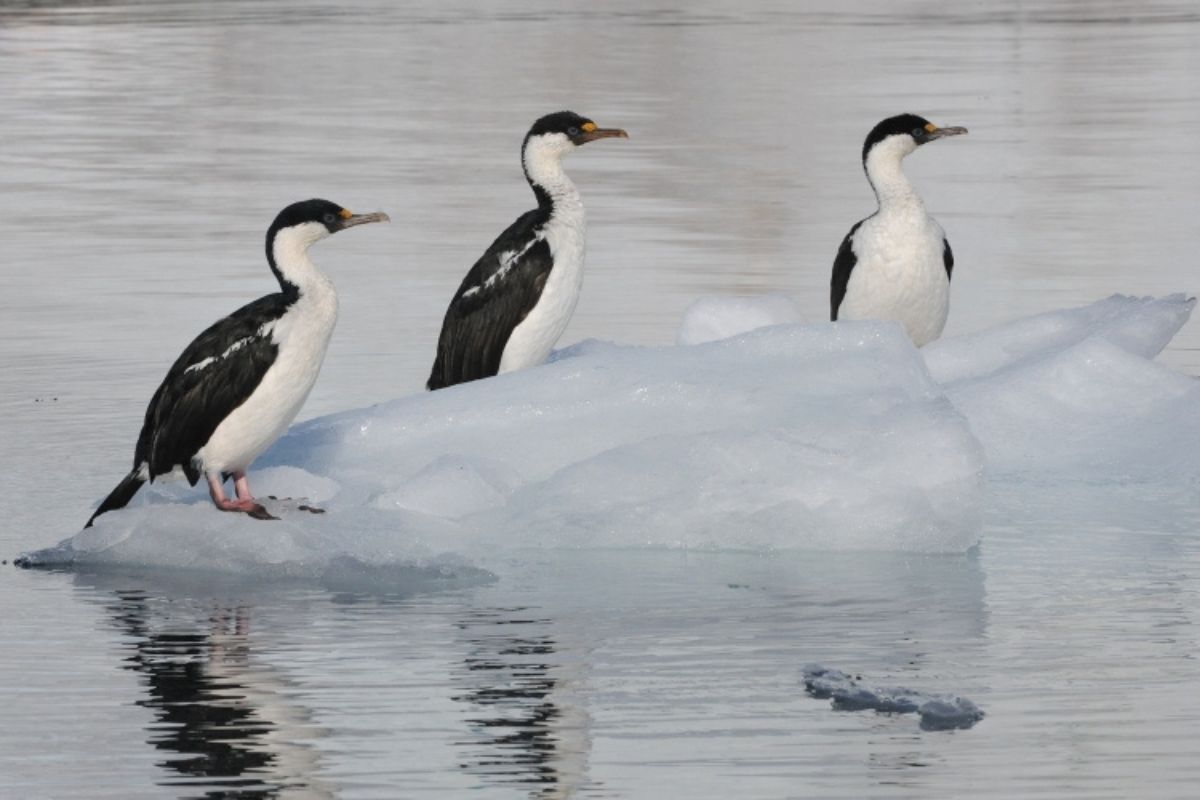
Saunders Island (Trinidad Island)- On Saunders Island it is possible to visit the nests of black-browed albatrosses and appreciate their sometimes awkward landings. Imperial cormorants and yellow-plumed penguins also nest here. It is also possible to see King, Gentoo and Gentoo penguins.
The capital of the Falkland Islands and the seat of their culture, Port Stanley (Stanley) has a certain Victorian-era charm: colourful houses, well-tended gardens and English-style pubs can be seen. You can also see several century-old clipper ships, silent witnesses to the hardships faced by 19th-century sailors.
The small but interesting museum is worth a visit, tracing the history of the islands from the first settlements to the 1982 war.
Approximately 2100 people live in Port Stanley (Stanley). Feel free to wander the streets. Admission to the museum is included.
Days 5 - 6: Once more to the open sea
On the way to South Georgia you will cross the Antarctic Convergence. The temperature drops considerably in just a few hours and nutrient-rich water rises to the surface as a result of the meeting of different water columns. This phenomenon attracts a multitude of seabirds around the ship, including several species of albatrosses, shearwaters, petrels, prions and skuas.
Today you will arrive at the first site in South Georgia where activities are possible. Please note that the weather in the area can be challenging and largely determines the programme.
Over the next few days, you may visit the following sites:
Fortuna Bay - A beautiful outlet plain of the Fortuna Glacier is home to an abundance of king penguins and seals. Here you may also have the opportunity to follow the final section of the Shackleton Trail to the abandoned whaling village of Stromness. This trail crosses the mountain pass behind Shackleton's waterfall and, as the terrain is a little boggy, you should be prepared to cross a few streams.
Salisbury Plain, St. Andrew's Bay, Gold Harbour- These sites are home not only to the three largest king penguin colonies in southern Georgia, but also to three of the largest Antarctic seal breeding beaches in the world. Literally millions breed in southern Georgia during December and January. In February, young seals are curious and playful, filling the surf with life and fun, and large elephants come to the beaches to moult.
Grytviken - At this abandoned whaling station, King penguins roam the streets and elephant seals lie around as if they own the place - basically because they do. Here it is possible to visit the South Georgia museum and Shackleton's grave.
On the afternoon of the 10th and depending on the conditions, we will start sailing south towards the South Orkney Islands.
It is possible to find sea ice on this route and nearby some polar sculpin and snow petrels may join the other birds following in the wake of the ship.
Depending on conditions it may be possible to visit the Argentina Orkney base on Laurie Island in the South Orkney archipelago. The base staff will be happy to guide you around the facilities, where you can enjoy the view of the surrounding glaciers. If a visit is not possible you may be able to disembark at Shingle Cove on Coronation Island.
So far he has travelled roughly the same route, albeit in the opposite direction, as Sir Ernest Shackleton did using only a small lifeboat, the James Caird, in the spring of 1916. Seeing Elephant Island appear on the horizon after sailing so many miles from South Georgia, it is hard not to marvel at how he and his five-man crew achieved this feat.
The purpose of such a feat was to rescue the rest of the 22 shipwrecked crew of the Imperial Trans-Antarctic Expedition, also known as the Endurance expedition, who were stranded on Elephant Island. For four and a half months Shackleton committed himself to this legendary rescue. Conditions on Elephant Island are severe.
The coastline is mainly made up of vertical rock walls and ice cliffs extremely exposed to the elements. If possible, we will take the Zodiacs to Wild Point, where the abandoned members of Shackleton's expedition miraculously managed to survive.
Ice permitting, we will sail into the Antarctic Sound from the northwest end of the Weddell Sea. Here the colossal tabular icebergs proclaim the arrival at the eastern end of the Antarctic Peninsula.
Farallon Brown is a potential landing site, where it could have the opportunity to set foot on the Antarctic continent.
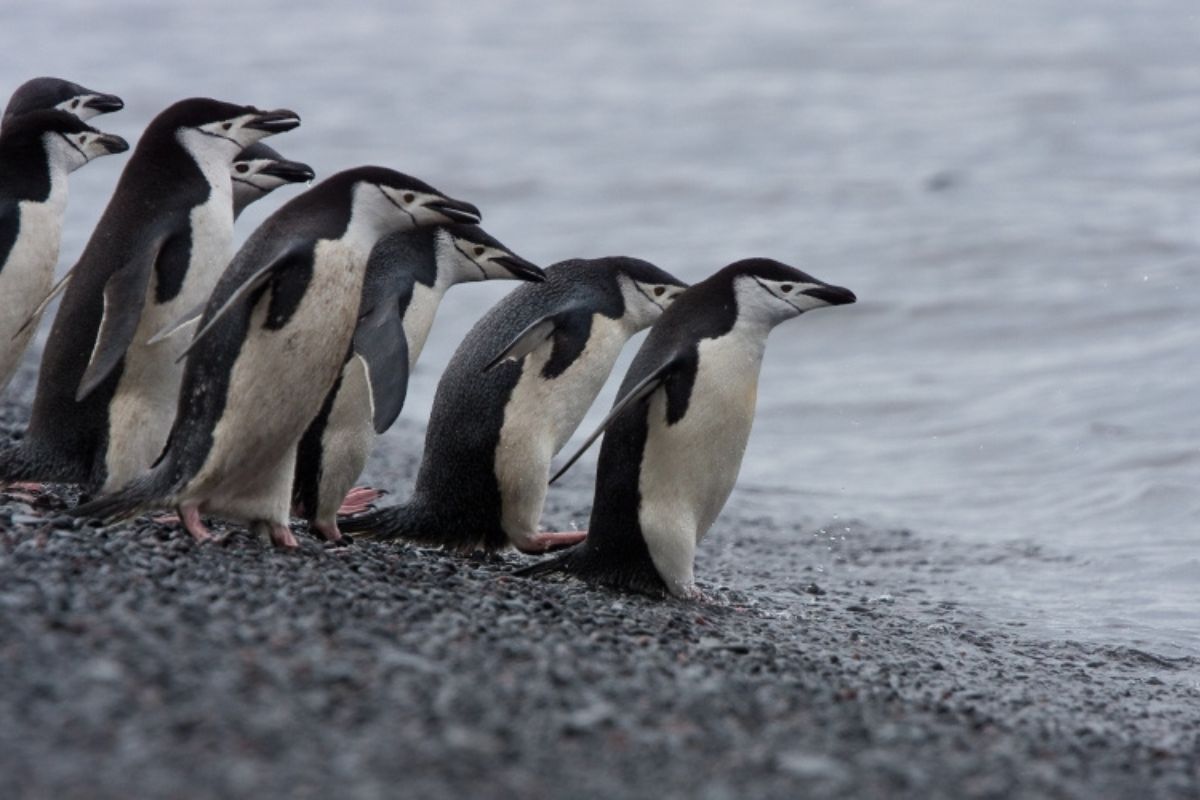
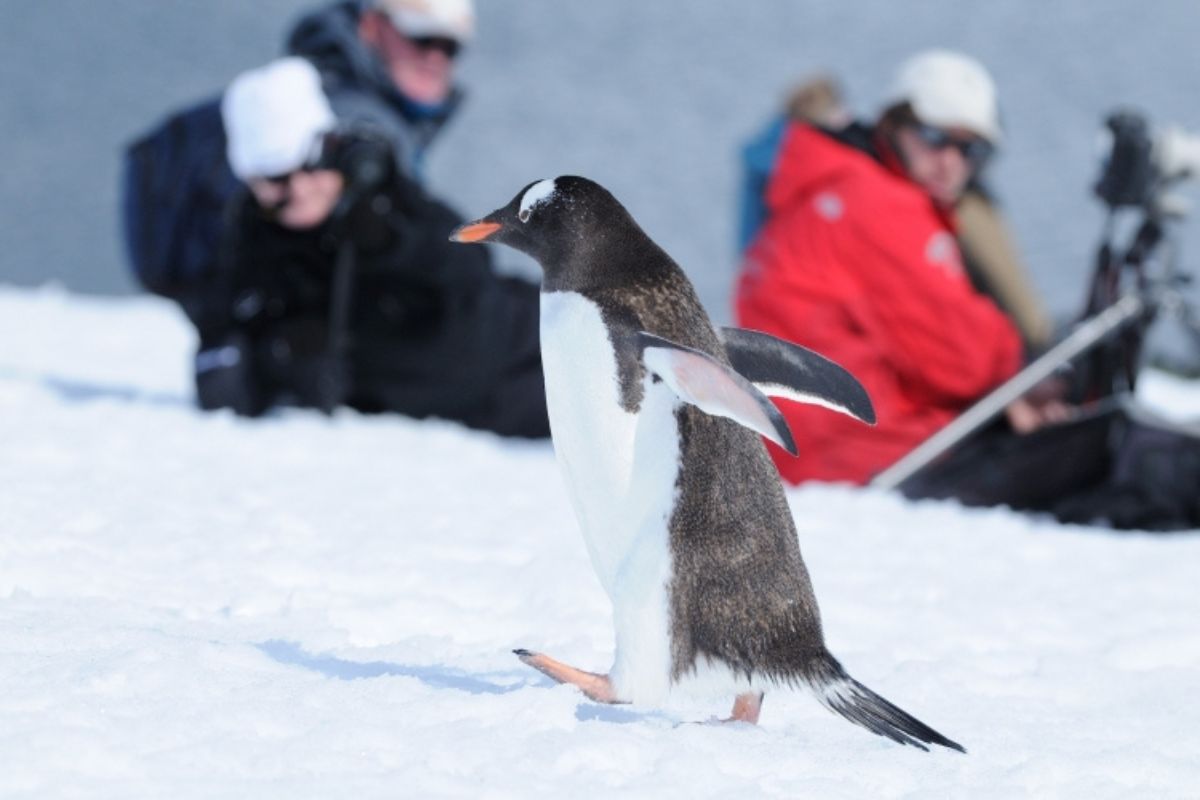
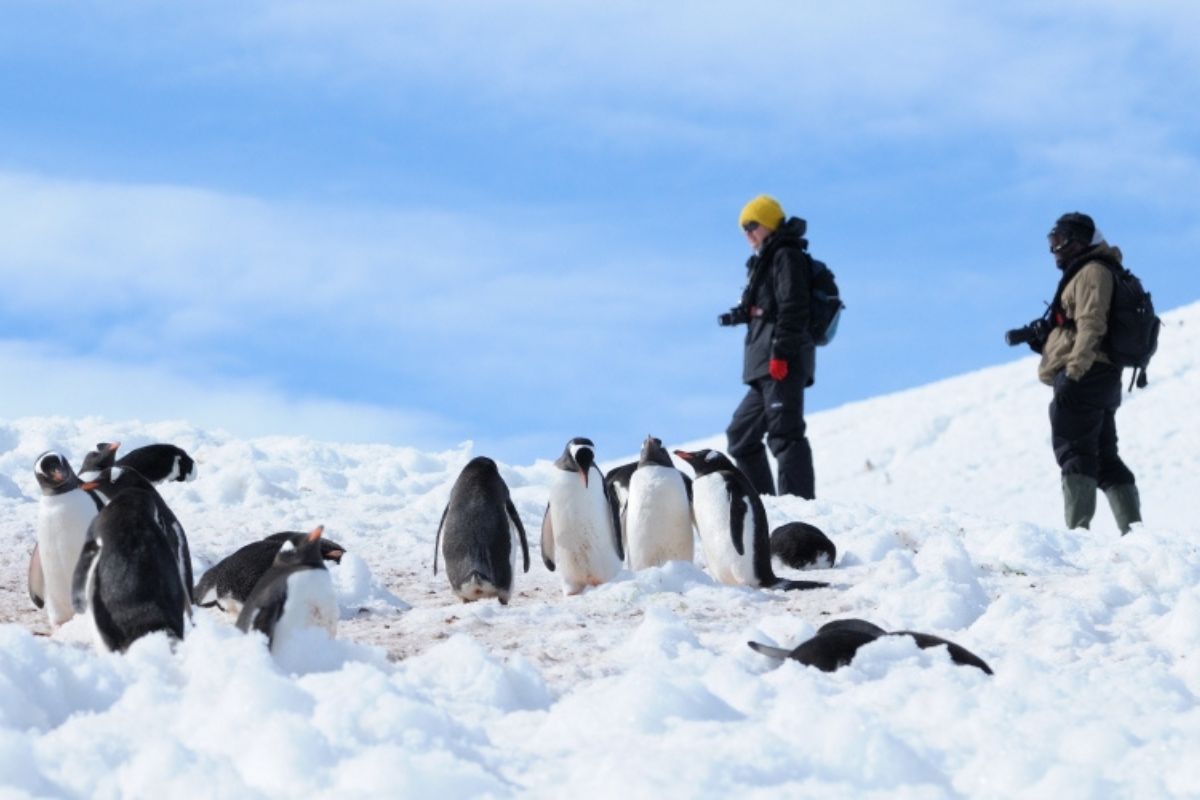
The South Shetland Islands are windswept and usually shrouded in mist, but they offer subtle pleasures nonetheless. A wide variety of flora (mosses, lichens, flowering grasses) and fauna (Gentoo penguins, chinstrap penguins and southern giant petrels) inhabit the islands.
At Deception Island the ship passes through Neptune's bellows to enter the flooded caldera of the volcano. Here it is possible to find an abandoned whaling station and thousands of petrels - as well as kittiwakes, common and polar gulls and Antarctic terns can also be seen. A good hike is possible in this desolate volcanic landscape.
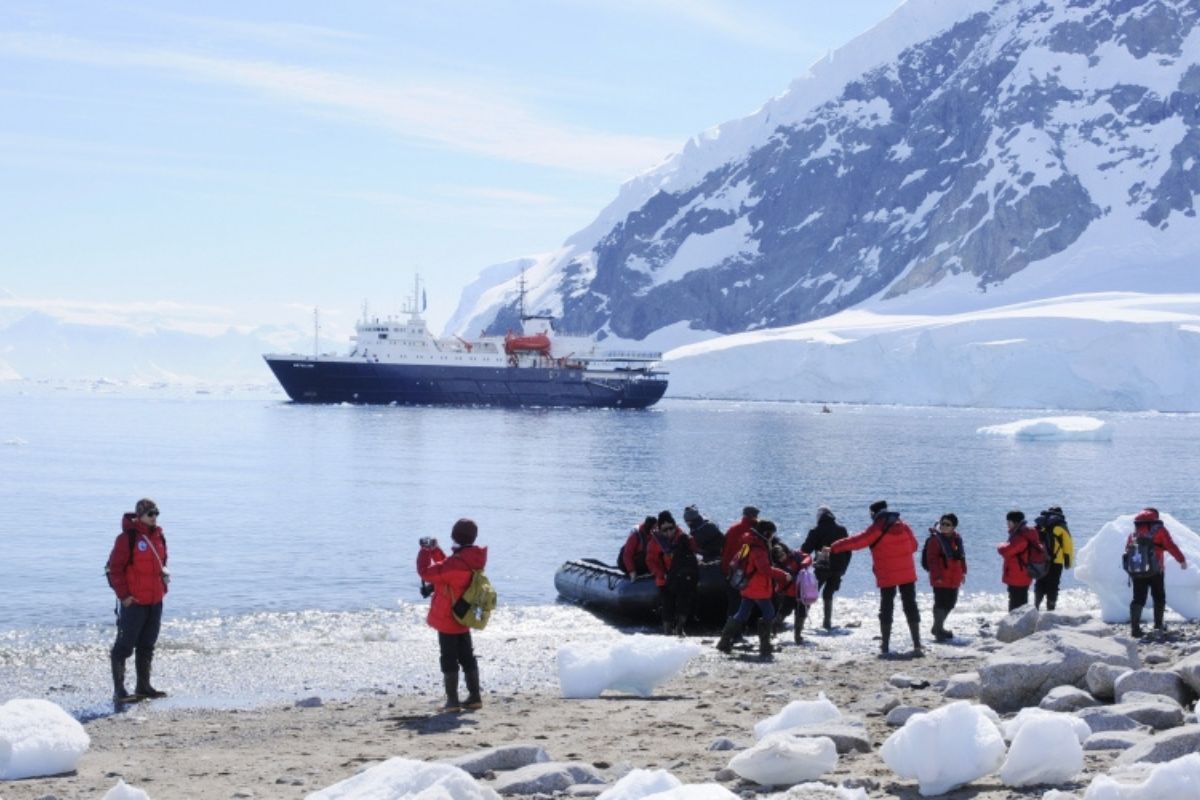
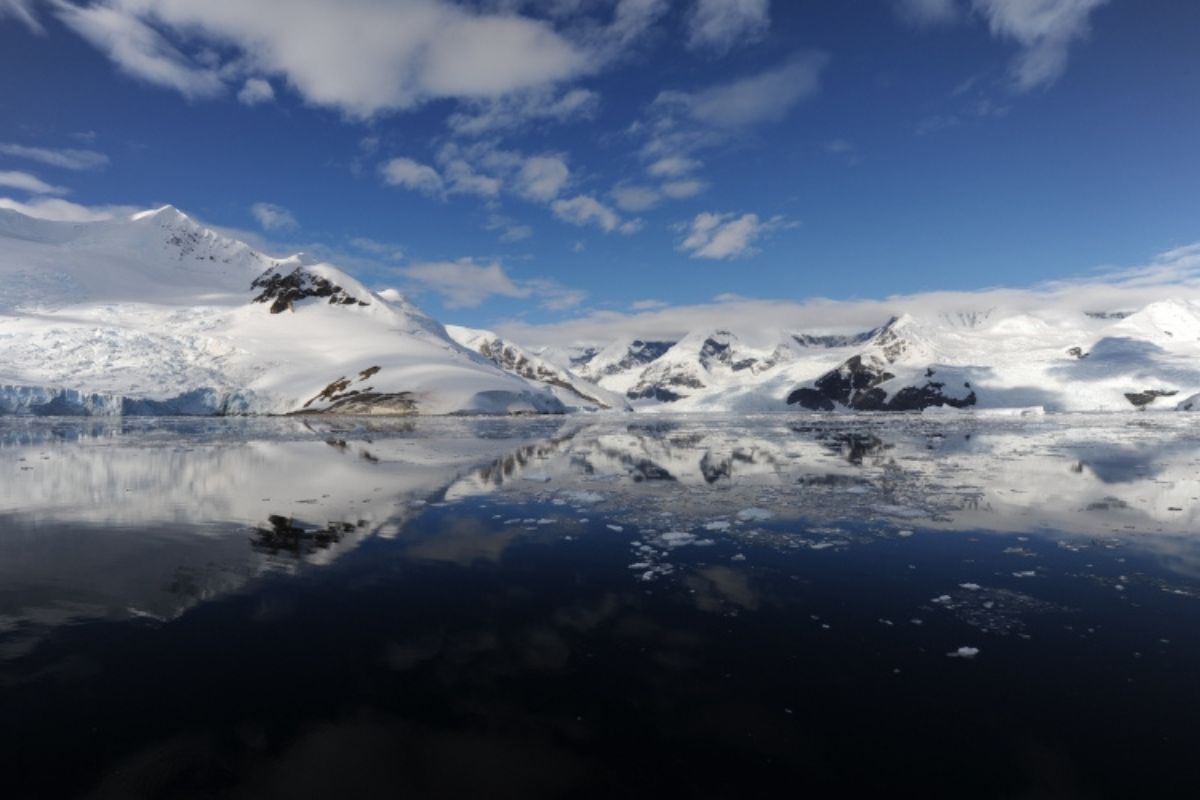
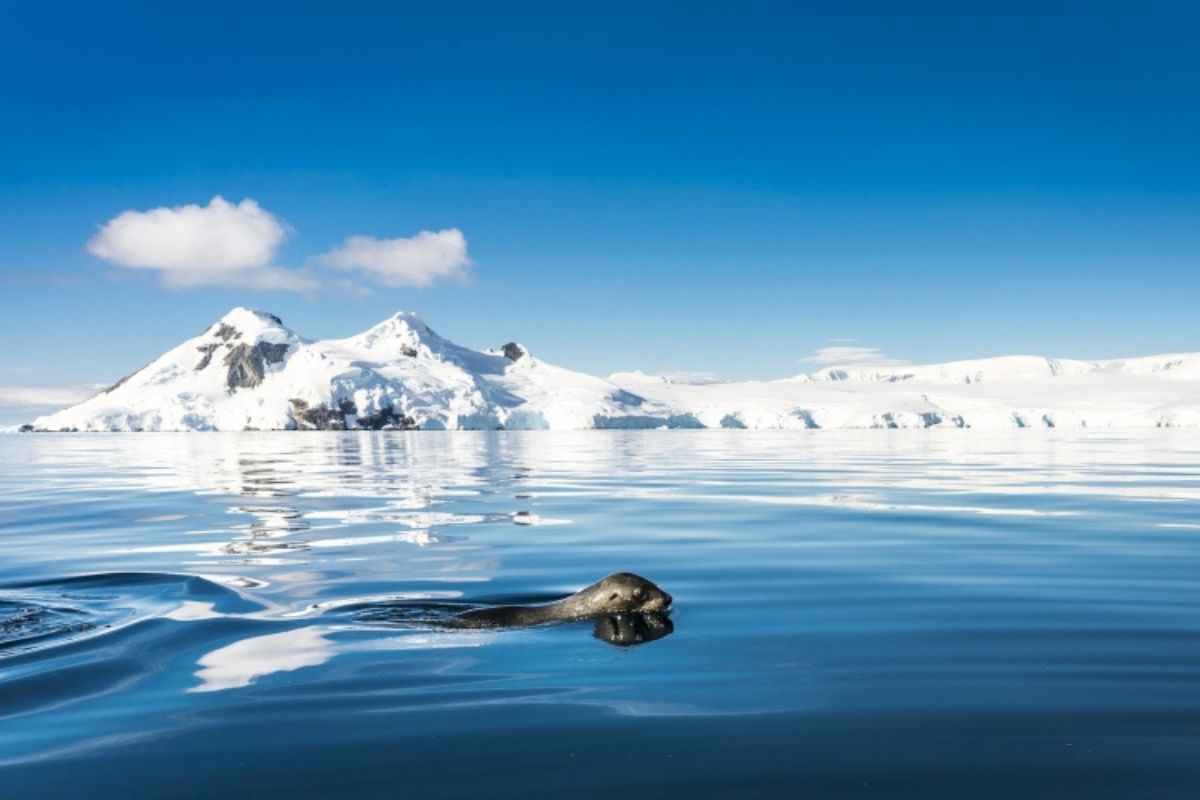
Rocky grey peaks dotted with snow, cracked blue-white ice towers, and completely different wildlife above and below welcome you to the unearthly world of Antarctica. Enter the area through the Gerlache Strait, entering one of the most beautiful settings Antarctica has to offer.
Some of the sites you can visit include:
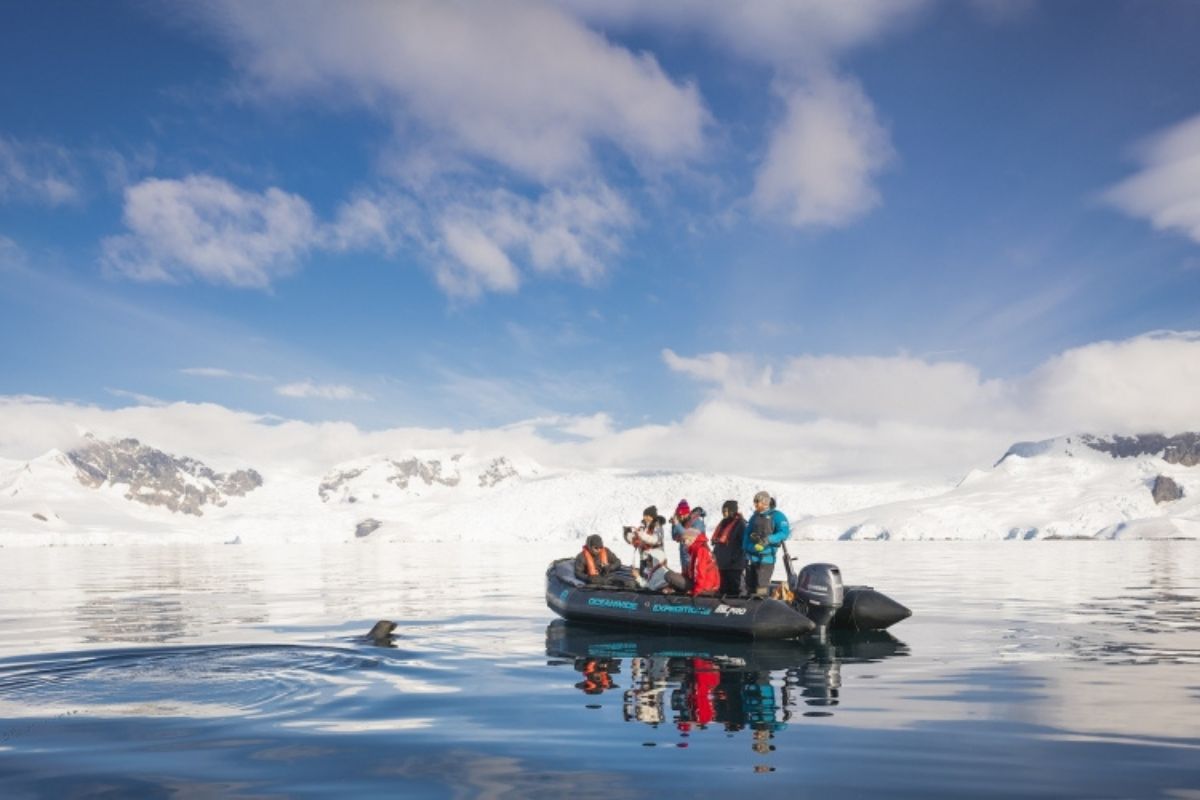
Neko Port - An epic landscape of gigantic glaciers and endless snow carved by the wind, Port Neko offers opportunities for a Zodiac cruise and a landing that will give you a close-up view of the surrounding alpine peaks.
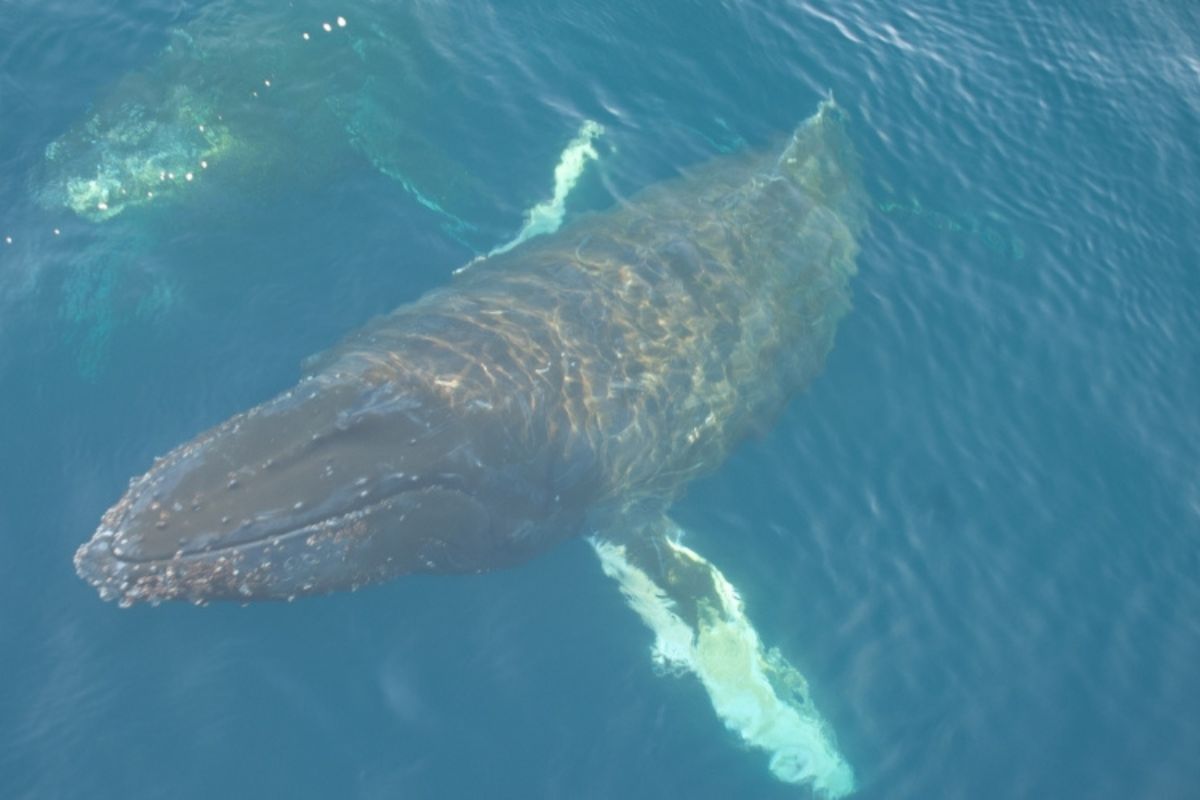
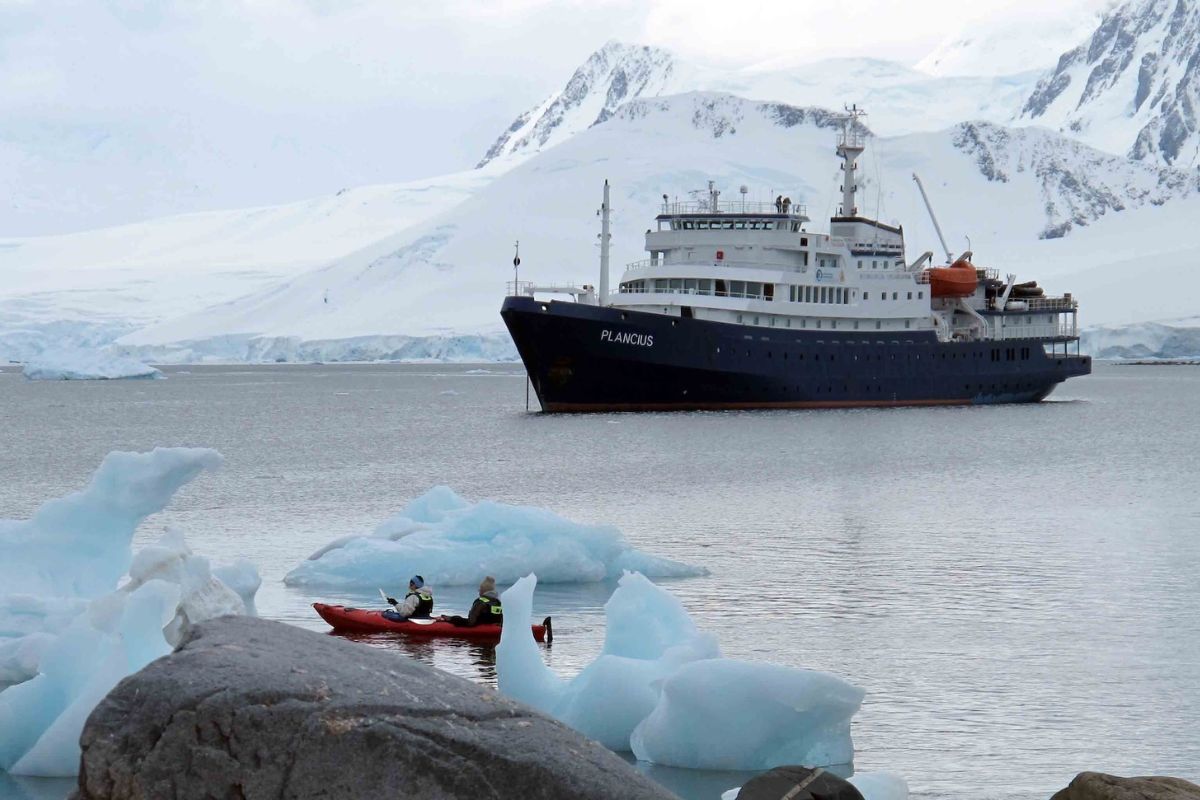
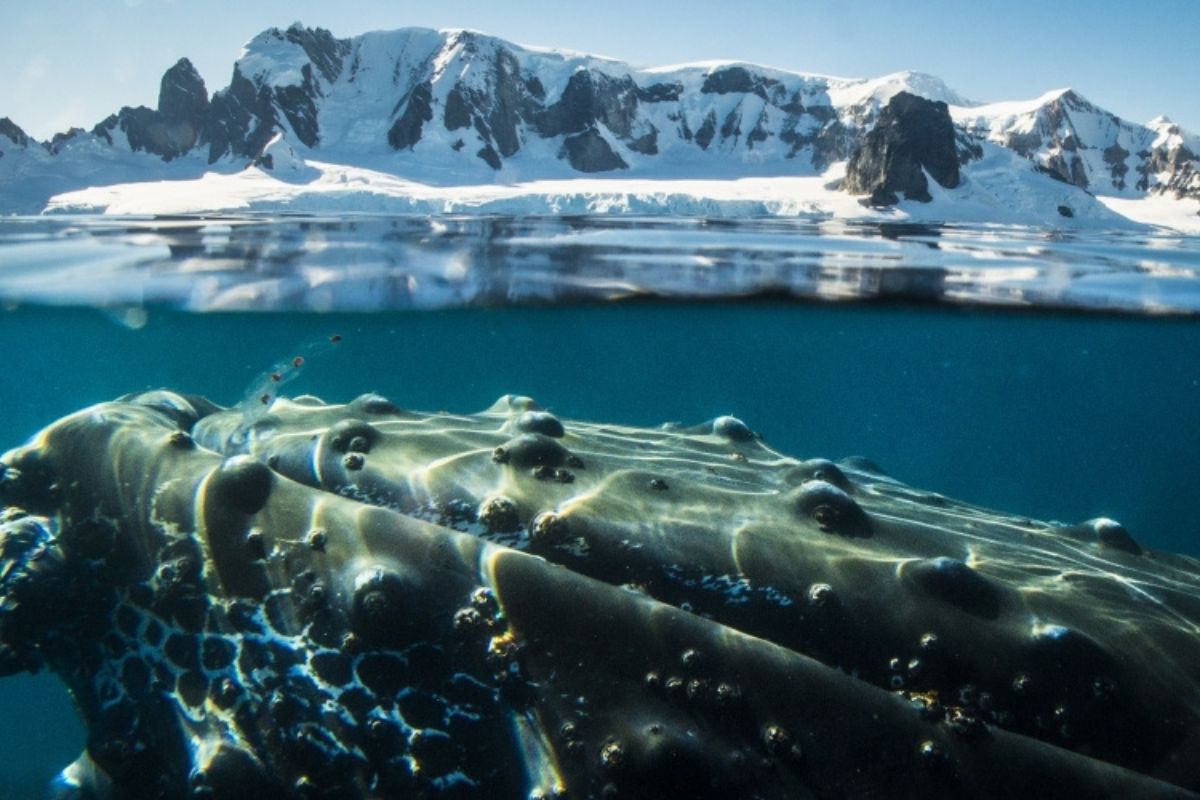
Paradise Bay - It is possible to take a Zodiac cruise on this expanse of water filled with icebergs where there is a good chance of seeing humpback and Minke whales.
Then the aim is to head in a southerly direction. Conditions permitting, the places to visit “inside” the Polar Circle would be:
Crystal Strait - the journey takes you south along the Argentinean islands to the ice-filled part of the sea, and from here to the Polar Circle in the morning.
Detaille Island - you can disembark at the abandoned British research station to admire the island's high mountains and towering glaciers.
Pourquoi Pas Island - you can circumnavigate this island, named after the ship of the famous French explorer Jean-Baptiste Charcot. This place is known for its narrow fjords and towering glacier-capped mountains.
Horseshoe Island - this is the former location of the British Base Y, a remnant of the 1950s that is uninhabited but retains most of the equipment and technology used in service.
As with all our trips to Antarctica, weather conditions in the Drake Passage will determine the exact time of departure.
The return journey is far from solitary. During the Drake crossing you are once again greeted by the seabirds that accompanied you on the journey south. But this time they will be more familiar to you, and you to them.
Every adventure, no matter how great, must eventually come to an end. It is time to disembark in Ushuaia, but with memories that will accompany you wherever your next adventure takes you.
Every adventure, no matter how great, must eventually come to an end. It is time to disembark in Ushuaia, but with memories that will accompany you wherever your next adventure takes you.