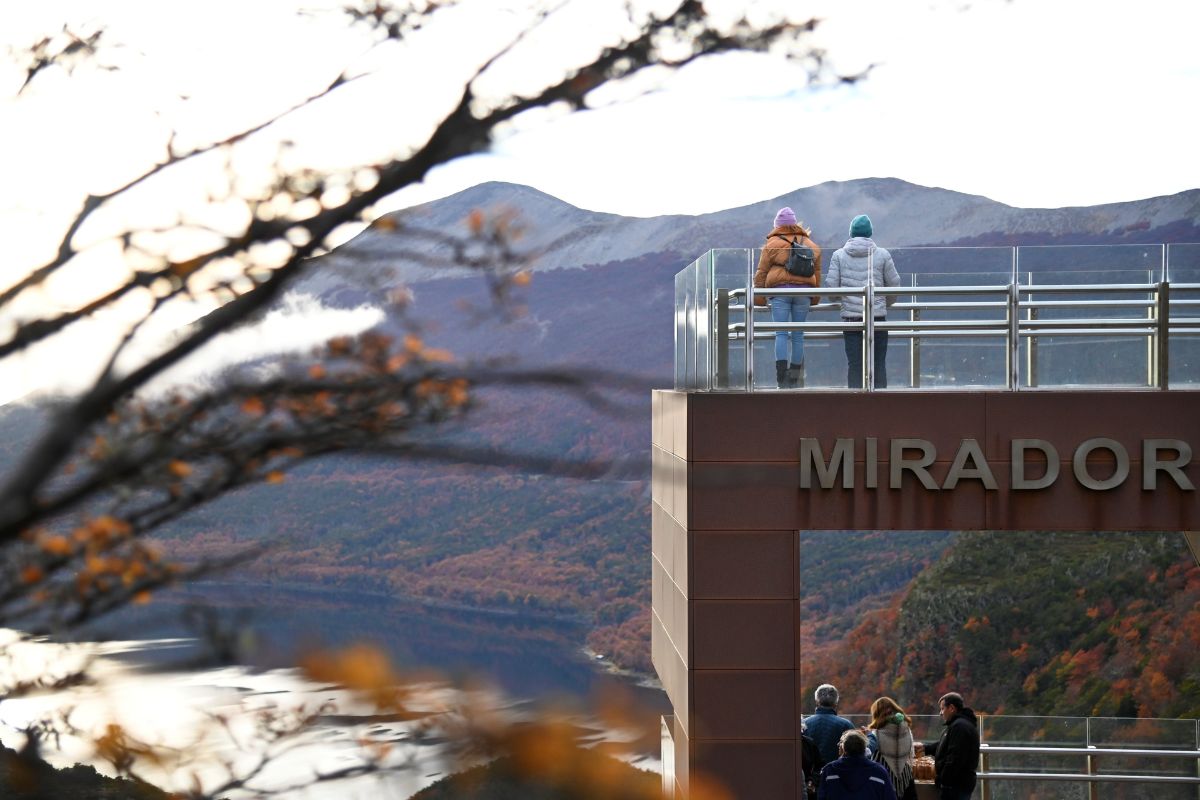
What to expect from Lakes Escondido and Fagnano in autumn
What to expect from Lakes Escondido and Fagnano during the autumn, get to know the most incredible water mirrors in Tierra del Fuego.

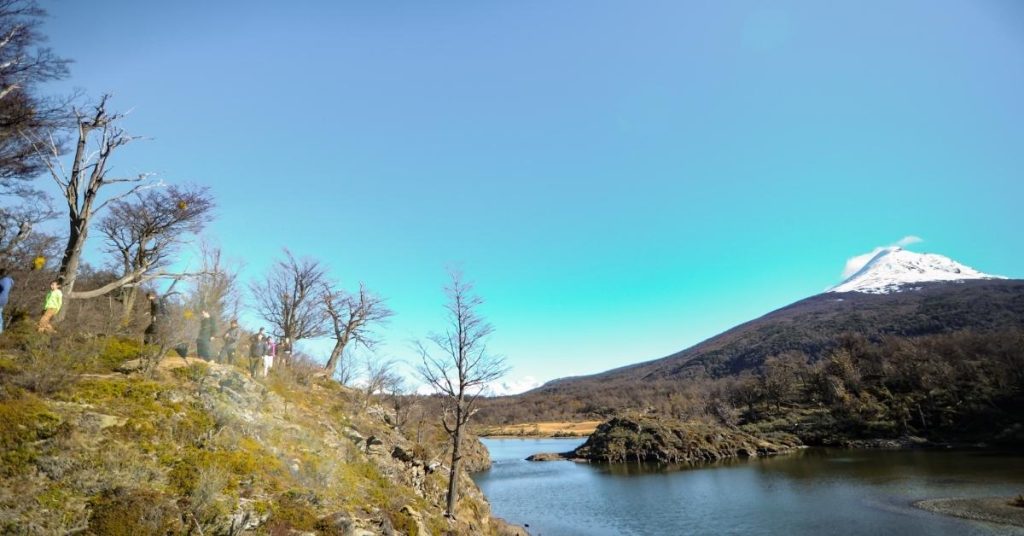
1. Tierra del Fuego National Park will be 62 years old in 2022 and currently covers nearly 70,000 ha. It is located in the southwest of the Argentinean part of the big island of Tierra del Fuego, only 8 km from the city of Ushuaia. In spite of its large extension the public part is only 15% of the natural area. The rest is a strict reserve without roads and trails in which nature develops without human contact.
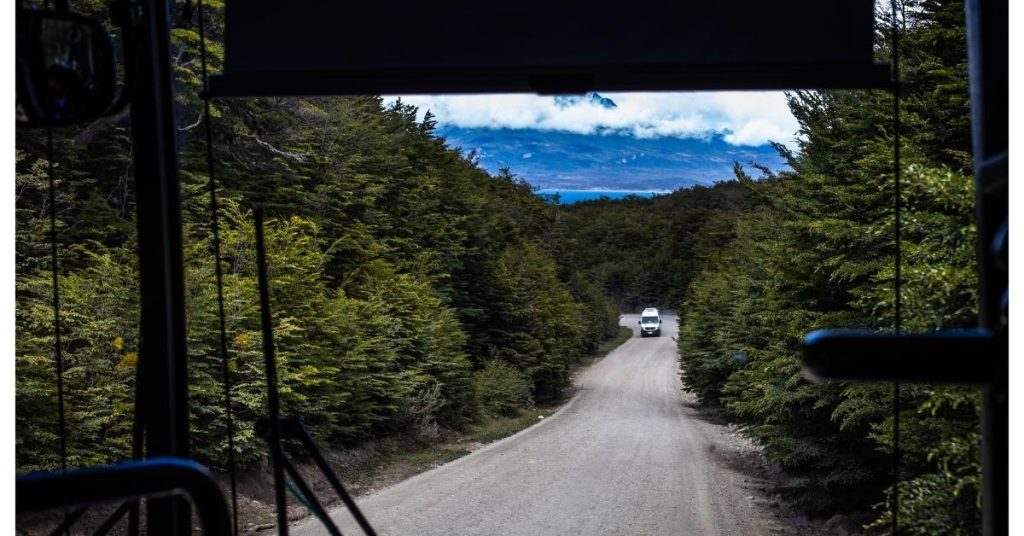
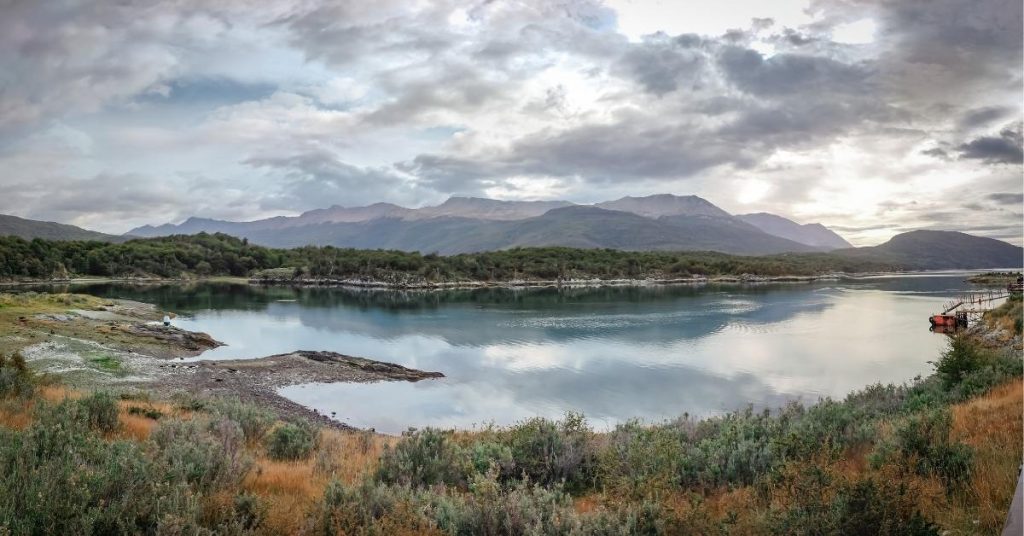
2. The 12 kilometres that separate the entrance of the National Park from the end of the National Route N°3 you will find a great variety of landscapes such as: mountains, lake, rivers, forest, sea coast, peat bogs, etc. and on clear days you can see the glaciers of the Darwin mountain range on the Chilean side of Tierra del Fuego.
3. Here you will find the only fjord in Argentina. This geoform is a narrow coastal sea inlet formed by the flooding of a valley carved or partially carved by glacial action. In reality, Lake Acigami and Lapataia Bay form a "paleofjord", i.e. an ancient fjord. During the last ice age, when the earth's temperatures rose, seawater rose up to what is now the lake and then receded, retreating to form Lapataia Bay. Although today the lake is fresh water due to the melting of the mountains, sea water once reached it.
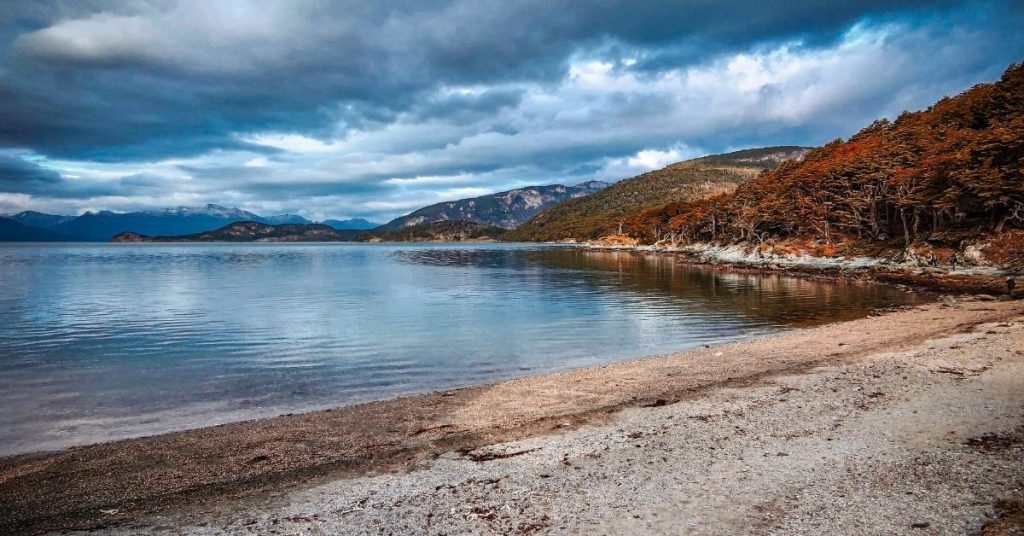
4. It is the only place in Argentina where the native forest reaches the sea coast. One of the purposes of the creation of the National Park was to protect the Andean-Patagonian forest located at the end of the Andes Mountain Range. Due to its climatic conditions and its latitude, the forest of lengas, ñires and guindos reach the coast of the Beagle Channel, meeting with the great forests of cachiyuyos, enormous brown algae.
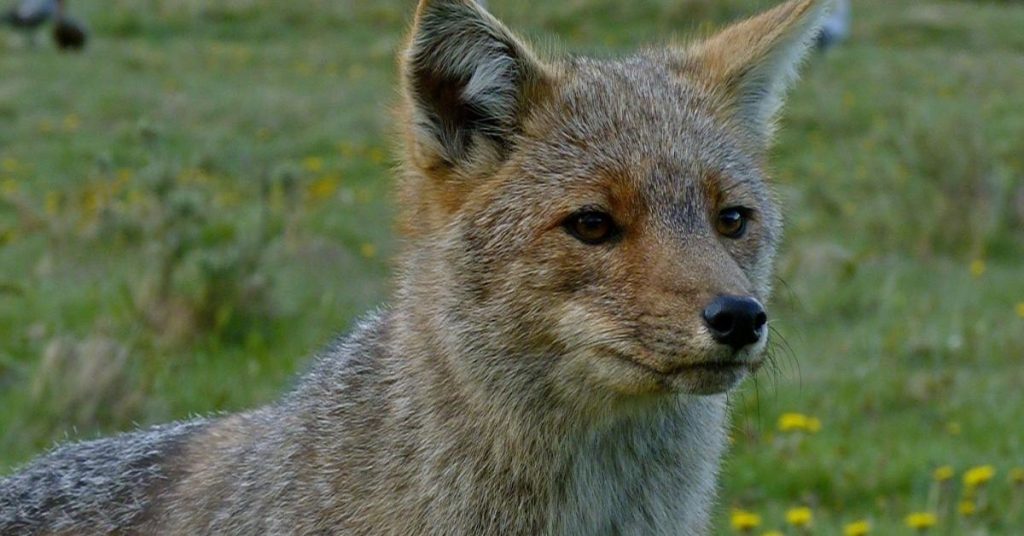
5. If we are talking about land animals, being an island, the number of animal species is very limited. The largest animal is the guanaco, although it is very difficult to see in the Park. The main terrestrial predator is the red foxwhich is larger than the Patagonian grey fox. However, in Tierra del Fuego there are no pumas or families of deer like the pudú or the huemul that can be found in continental Patagonia. And because of the low temperatures you won't find any reptiles or amphibians in our Park either.
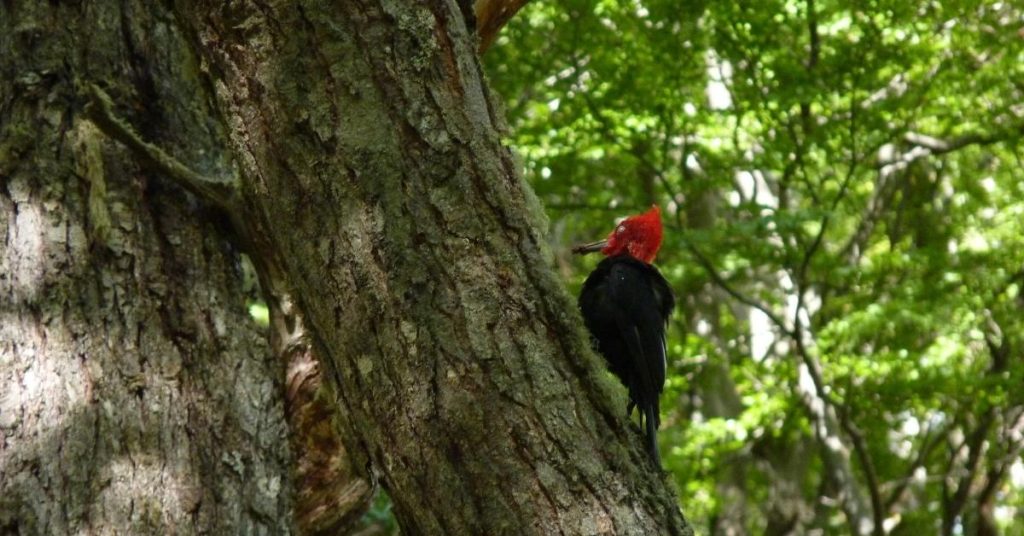
6. The group of animals that you will be able to see the most are birds. In the National Park you will find forest birds, birds of open environments, coastal birds or seabirds. Also, if you pay attention you will be able to observe the largest bird with its wings outstretched, the Andean condor, gliding. Also the giant woodpeckerwhich, at 45 cm, is the largest in South America and was chosen as our provincial bird. And you will be able to see one of the 9 species of swans in the world, the black-necked swan.
7. The huillin is a Patagonian otter that lives in fresh and sea water. In Tierra del Fuego it is found endangered. Within the Park there is a team of scientists studying this species, as there is very little evidence of these individuals. It is therefore important not to leave the trails and to respect the strict reserve zones.
8. In addition to native animals, Tierra del Fuego National Park is not exempt from the impact of animals introduced by humans decades ago. The best known case is the beavera rodent brought in the 1940s from Canada for the fur industry. The great impact it generates is the construction of large dams in rivers and streams that damage the riverbeds, generating large floods in the forest, not only killing plant species but also displacing the animals that used to live there. Today within the Park this species is under control but you will be able to see abandoned beaver farms and observe the impact they have on the ecosystem. In addition to the beaver, other introduced species include rabbits, muskrats, mink and Chinook salmon.
9. On the shores of the Beagle Channel inhabited the Yaganesa nomadic canoe people. Today, if you visit Lapataia Bay and the area of Ensenada Zaratiegui you will find signs on the ground that warn of the existence of archaeological sites. At first glance you will see small elevations covered with green grass. But below the ground are places known as concheros or conchales, large accumulations of pieces of mussel shells. They used to make their huts out of branches and grasses on the shores of the bays, protected from the strong south-westerly winds, and around them they deposited the waste from which they fed. These sites are protected and digging is forbidden, but in eroded places you can see pieces of mussel shells or seabird bones that were part of their diet.
10. Tierra del Fuego National Park is Ushuaia's main attraction. Although the protected area is open all year round. In winter the secondary roads are closed as well as many of the trails.
The main places of interest are: Lapataia Bay, Lake Acigami, Zaratiegui Cove, Isla Redonda Viewpoint and Lapataia Bay Walkway Viewpoints. During the summer season there are 5 family-friendly trails and 5 more difficult trails for demanding travellers. They can be accessed by car, regular buses, bicycle or hiking.
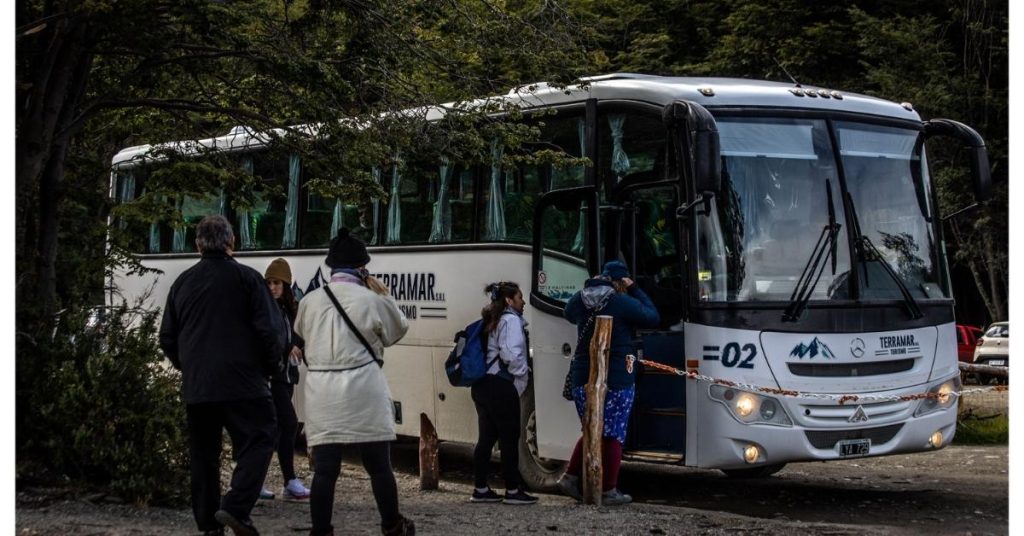
There are 4 camping sites: Río Pipo, Ensenada, Laguna Verde and Cauquenes. Other activities available are sport fishing during the summer season and sailing in inflatable canoes only through adventure tourism operators. Finally, the Park has a Visitor Centre called Alakush, where you will find a cafeteria, restrooms and an interpretation room with information about the Tierra del Fuego National Park.
We recommend you to visit the park on our half-day excursion. We leave in the morning, all year round and you can combine it with the End of the World Train. Or a full day excursion that includes walking along trails, paddling in inflatable canoes on the Lapataia River and lunch at a place exclusively for our passengers.
What to expect from Lakes Escondido and Fagnano during the autumn, get to know the most incredible water mirrors in Tierra del Fuego.
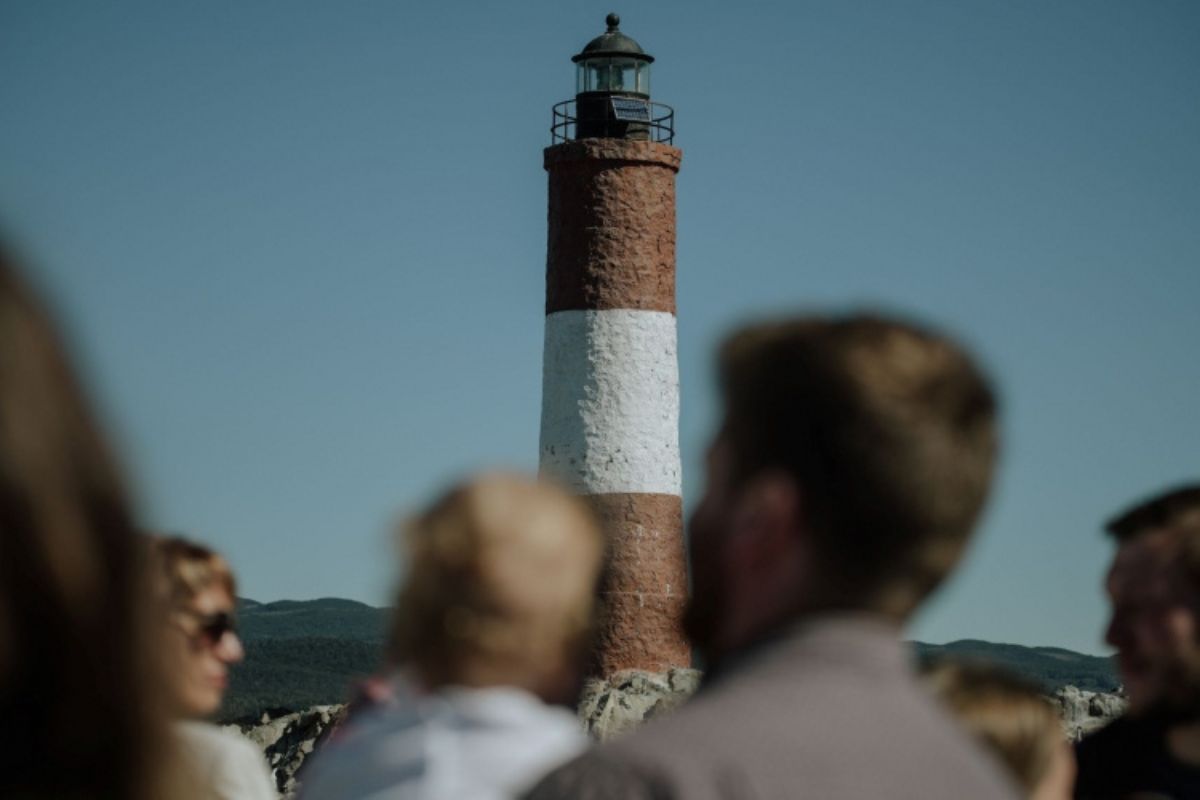
5 reasons to sail the Beagle Channel in April: A different experience at the end of the world Ushuaia is a
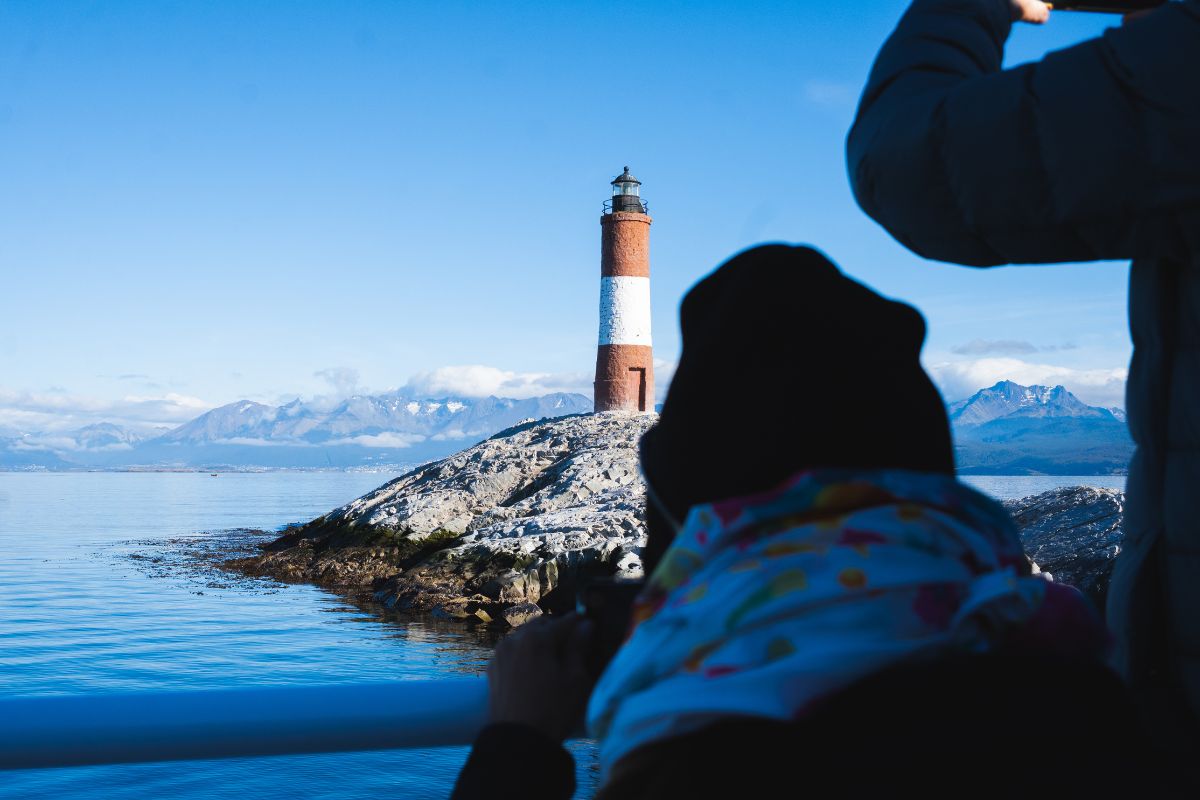
Easter Week in Ushuaia: guide to plan your trip to the End of the World Travelling to Ushuaia for Easter Week
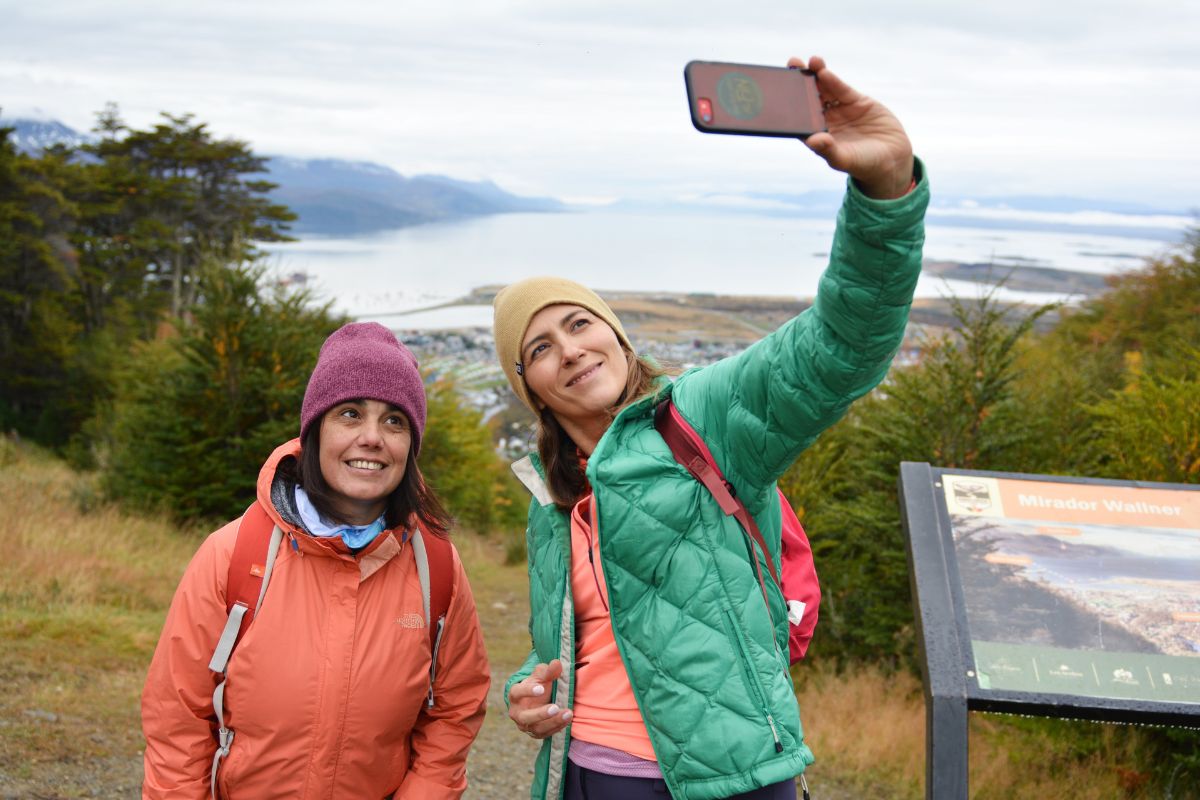
March in Ushuaia, the prelude to the southern autumn March is that point where Ushuaia is enjoyed more calmly,
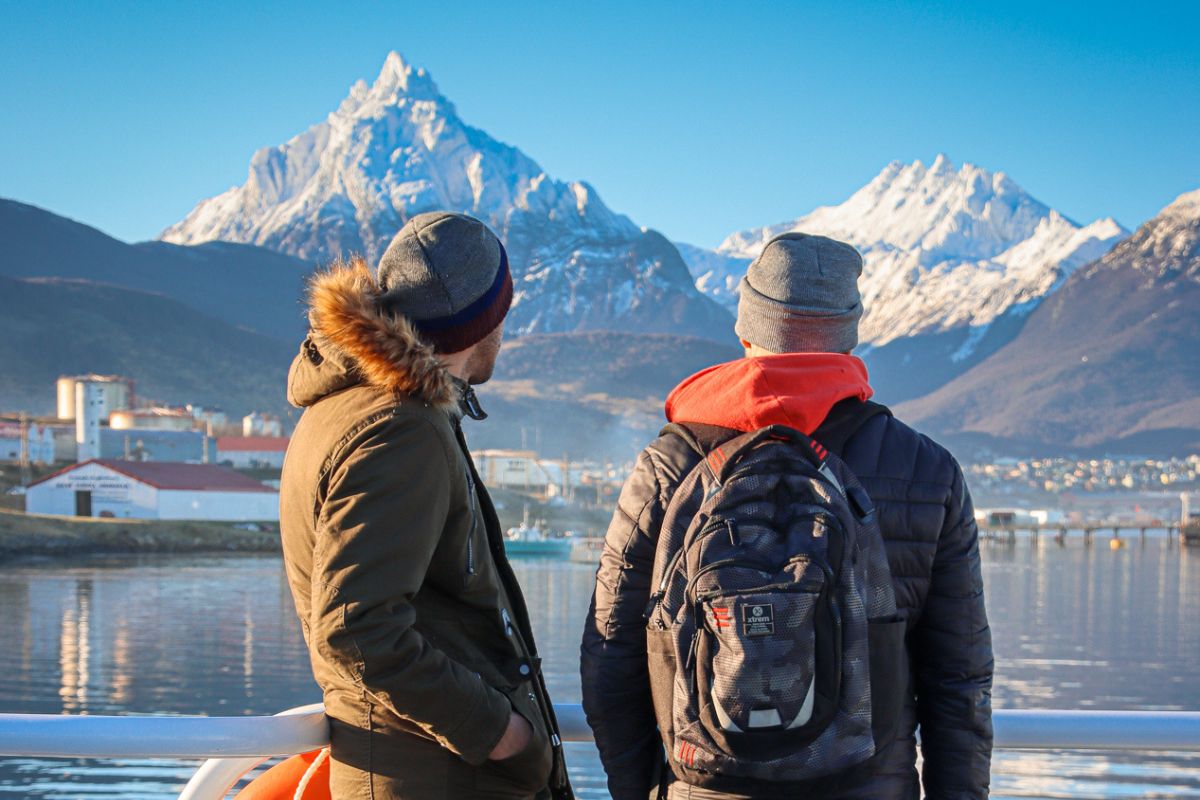
Why visit the Beagle Channel in the summer: Reasons to enjoy an iconic landscape in an incredible season When
3 Experiences to feel the end of the world in summer: Sailing, End of the World Train and Tierra National Park.