What to expect from Lakes Escondido and Fagnano in autumn
What to expect from Lakes Escondido and Fagnano during the autumn, get to know the most incredible water mirrors in Tierra del Fuego.

Still not sure which excursions to choose during your stay in Ushuaia? Here we tell you some curiosities about one of the main tourist attractions of the city.
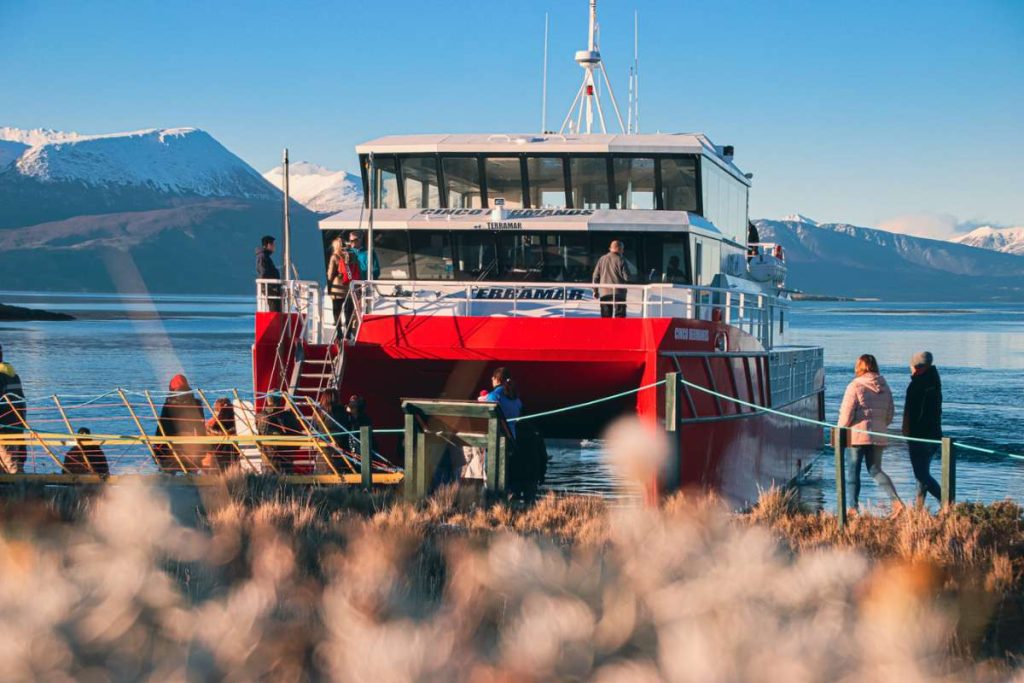
Between 40,000 and 25,000 years ago, this entire region was covered by large ice fields. The glaciers were born on the peaks of the Darwin Range, located in the western part of Tierra del Fuego. From there they descended through the valleys and depressions. Where the Beagle Channel is today, it used to be a valley occupied by a large glacier that, in the Ushuaia area, reached a thickness of about 1,000 metres from the present sea level, covering almost all the surrounding mountains. But about 14,000 years ago, temperatures on Earth began to rise, causing the glaciers to melt. As a consequence, the ice field retreated to the west, making the valley deeper and wider and allowing seawater to flow in. Surely during our excursions the guides will show you the evidence that remains of this last ice age in the region.
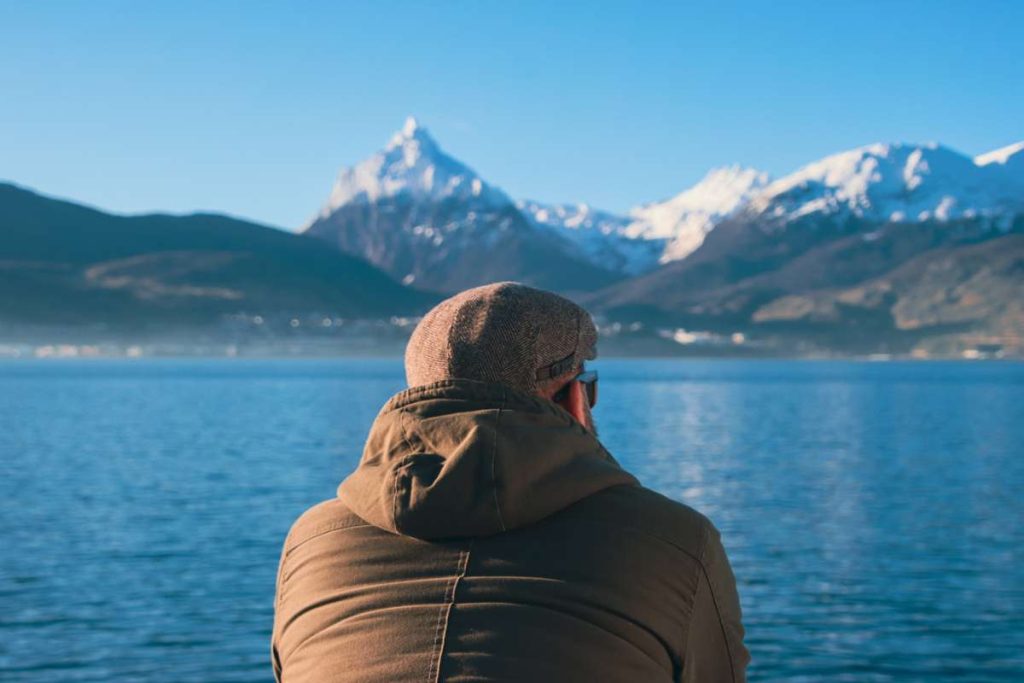
Along with the Northwest Passage and the Strait of Magellan, it is one of the places along the American continent which connects with the two oceans in a natural way. The Beagle Channel links the Pacific Ocean to the west with the Atlantic Ocean to the east. However, there is no place where the junction of the oceans can be observed as the currents are predominantly west-east.
We share the Beagle Channel with Chile: from the centre eastwards the boundary runs along the deepest depths of the Channel separating to the north the Argentinean coast from the Isla Grande de Tierra del Fuego and to the south the Chilean islands of Navarino and Hoste, and from the centre westwards both sides are Chilean. After decades of conflict to establish the international boundary in the region led to a near war in December 1978 between Argentina and Chile. Finally in 1984 both nations signed the Treaty of Peace and Friendship in which the limits and navigation rights of both countries were detailed.
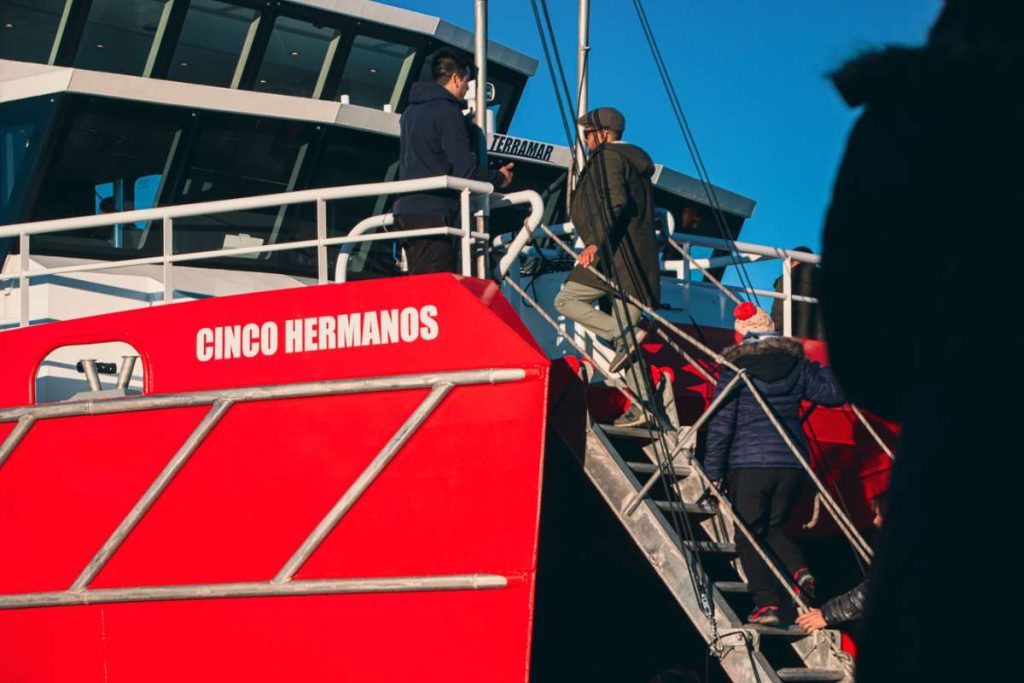
On the coast of Tierra del Fuego is Ushuaia, the largest and Puerto Almanza, a village of 100 fishermen's houses. But on the southern coast of the Beagle Channel, on Navarino Island, is Puerto Williams, a Chilean town of about 2,000 inhabitants, which is located just opposite Almanza. The people live mainly on the Chilean Naval Base and on tourism, as many sailors come to Williams before crossing Cape Horn or on their way to Antarctica. Also ecotourism and hikking is a growing activity.
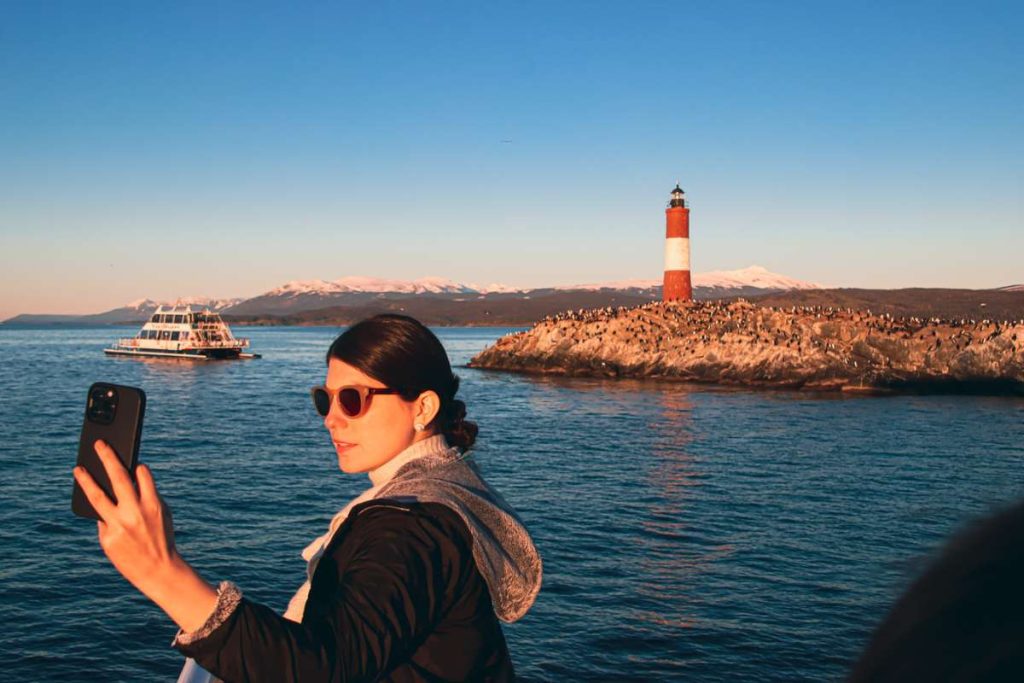
There is some confusion with the slogan of "Ushuaia Fin del Mundo", the most photographed lighthouse in the Beagle Channel and Jules Verne's novel. The writer published this novel in 1905 when this red and white lighthouse was built in 1920. Those who have read the book will know that Verne was inspired by the San Juan de Salvamento Lighthouse which is located on Isla de los Estados, east of Tierra del Fuego. The lighthouse we see in the navigation is further south but it is not the most southerly lighthouse either, as there are also lighthouses and beacons in Antarctica. However, Les Eclaireurs Lighthouse is still the most famous lighthouse at the end of the world.
This was a cargo and passenger ship, belonging to the German Hamburg Süd Company, which was launched in 1927 and operated between the ports of Buenos Aires, Puerto Madryn, Ushuaia and Punta Arenas in Chile. In January 1930, after visiting the small town of Tierra del Fuego, it set sail for the Chilean city. Due to a bad manoeuvre by the captain, Theodoro Dreyer, the ship ran aground on the shallows near the Les Eclaireurs lighthouse. At that moment, the ship began to turn around very slowly, allowing the more than 1,000 passengers and crew to be rescued and taken to the port of Ushuaia, located 20 km from the accident. The anecdote is that at that time the town also had about 1,000 inhabitants, so for a week it doubled its population! However, a few days later they were able to be transferred to Buenos Aires with another company ship. The only missing person was the captain, about whom there are various theories. What happened to the cruise ship? In 1954, a company came to try to salvage it, but they did not succeed and today it is sunk very close to the Les Eclaireurs lighthouse, and is known as the the Fuegian Titanic.
In addition to the fishing activity of the Beagle Channel, it is part of the Fuegian gastronomy chosen by national and foreign tourists. Both in the restaurants of Ushuaia and in those of Puerto Almanza you can taste this mild flavoured meat in salads, casseroles, chupe, stuffed pasta, au gratin, in soups, sushi, in empanadas or simply in its natural state. The artisanal fishermen are the ones who catch this meat. coveted crustacean in the Beagle Channel with their yellow boats using bottom traps. And for visitors who want to know and live the experience of catching their own crab, they can fish from a boat.
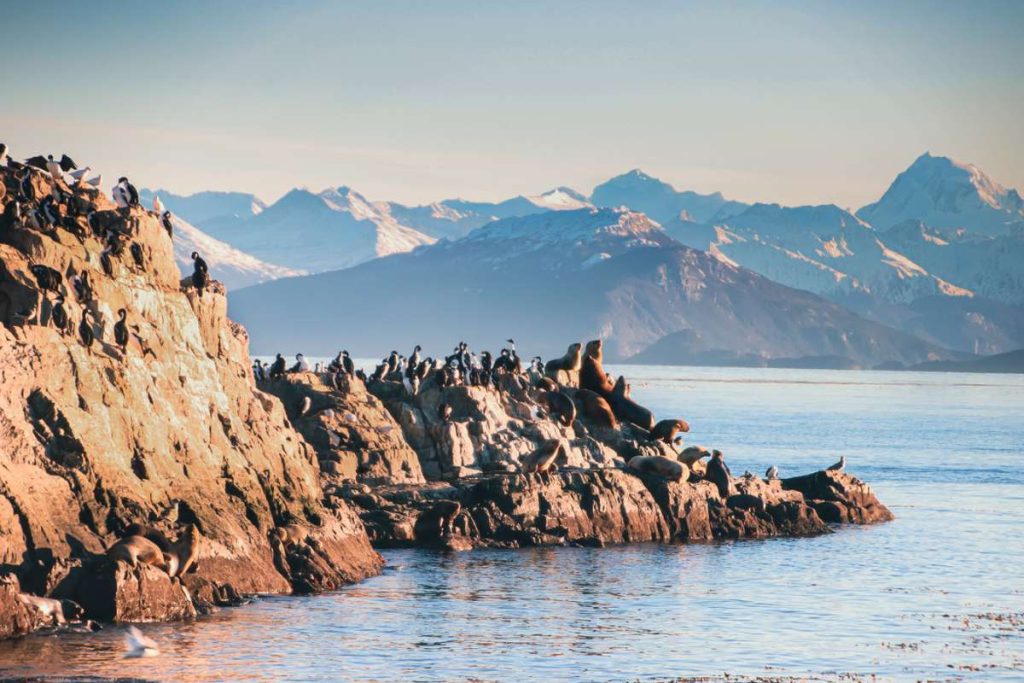
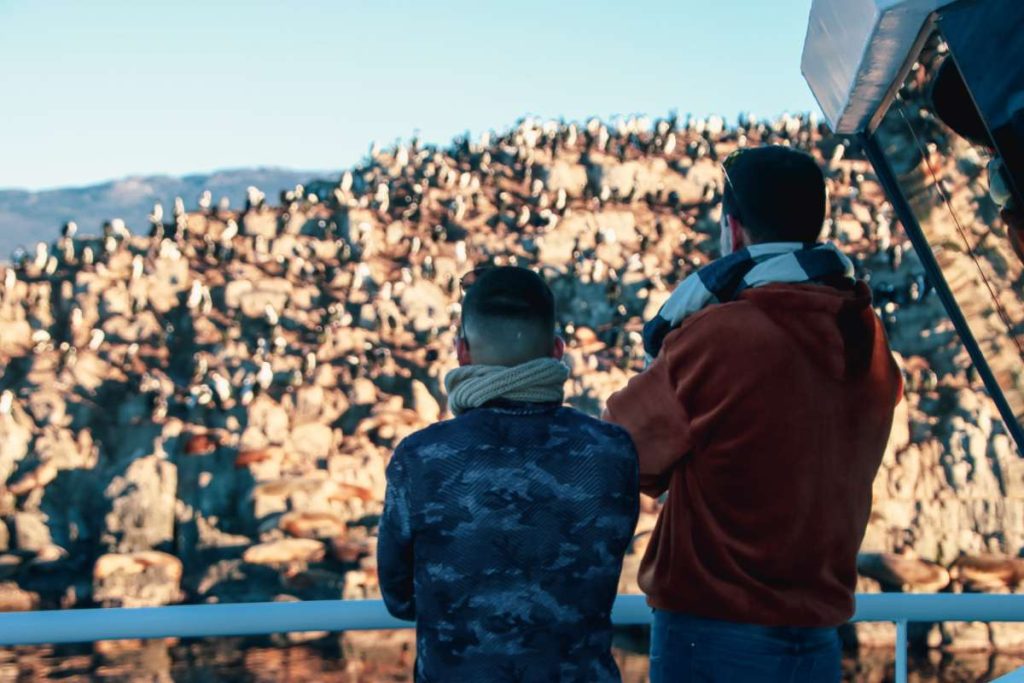
Whereas in the Fuegian forests it is more difficult to find wild animals. Here we can see them gathered in colonies coexisting with other species. For example, there are several colonies of imperial and Magellanic cormorants, South American terns, colonies of South American fur seals and a penguin colony where Magellanic and Gentoo penguins nest. In addition, southern gulls and kelp gulls, Antarctic pigeons, Carancas geese, steamer ducks, scaup and red-headed nightjars can be observed around these populations.
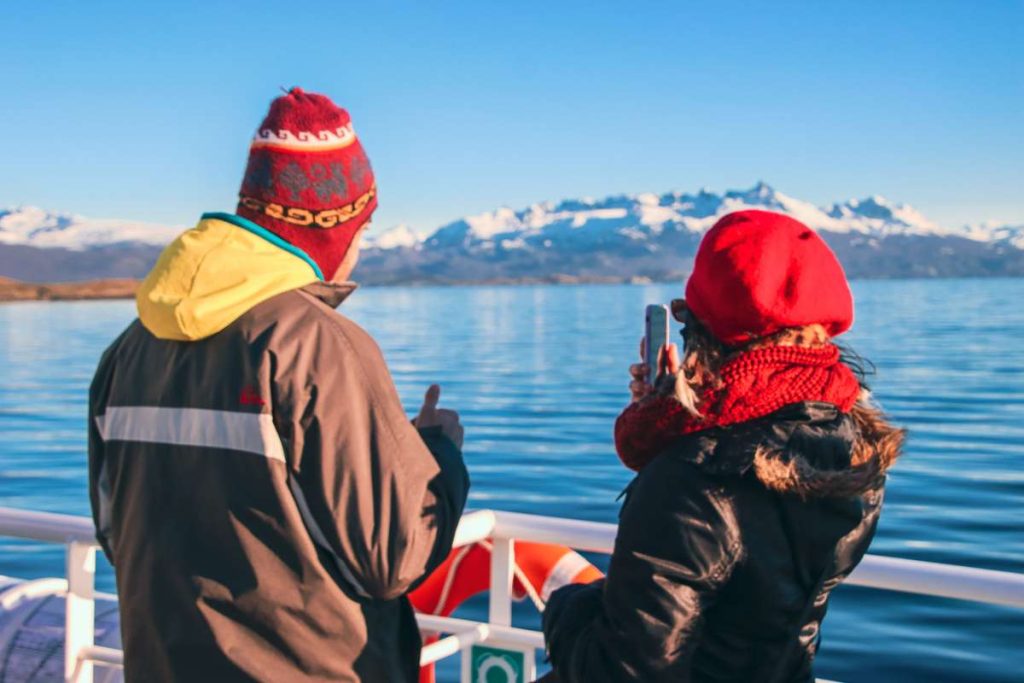
If you are already sure of want to know the Beagle ChannelContact us and we will provide you with information on how to walk the Ruta de la Centolla, walk along the shores of the Beagle Channel, sail its waters to be amazed by the marine fauna or watch from above during a helicopter overflight.
Write to us!
What to expect from Lakes Escondido and Fagnano during the autumn, get to know the most incredible water mirrors in Tierra del Fuego.
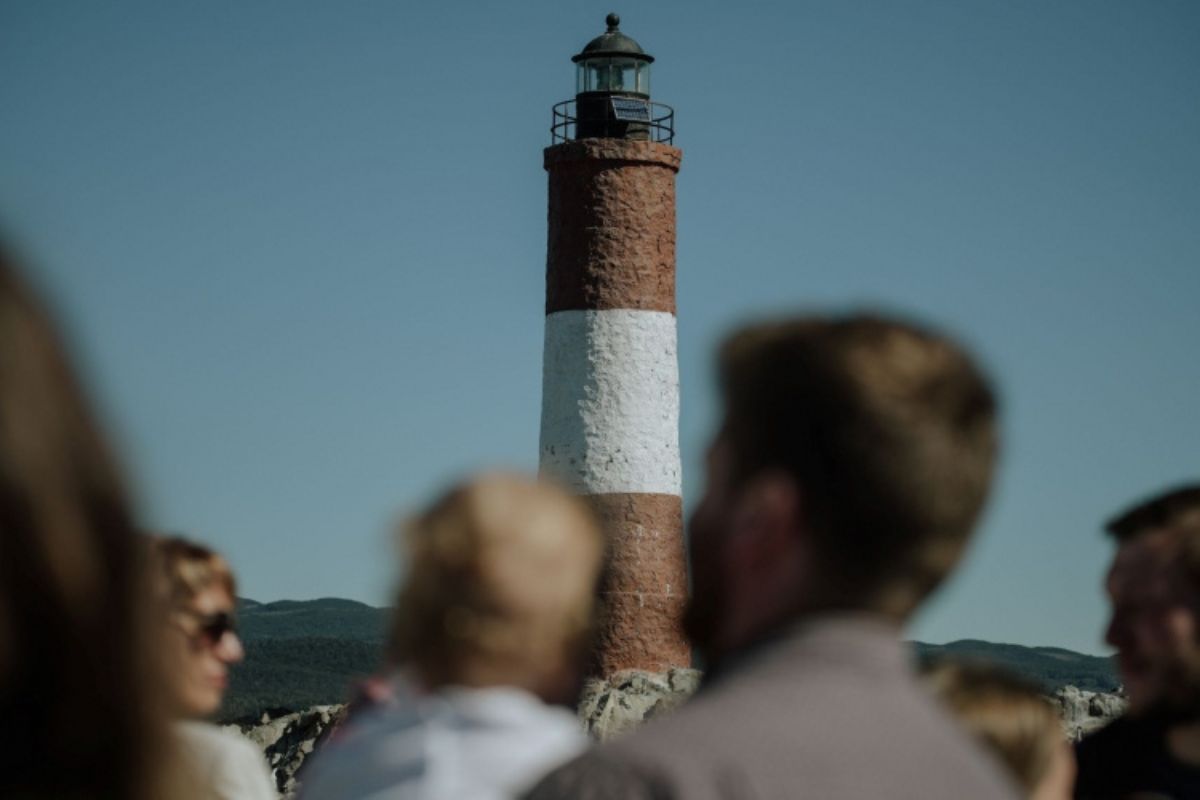
5 reasons to sail the Beagle Channel in April: A different experience at the end of the world Ushuaia is a
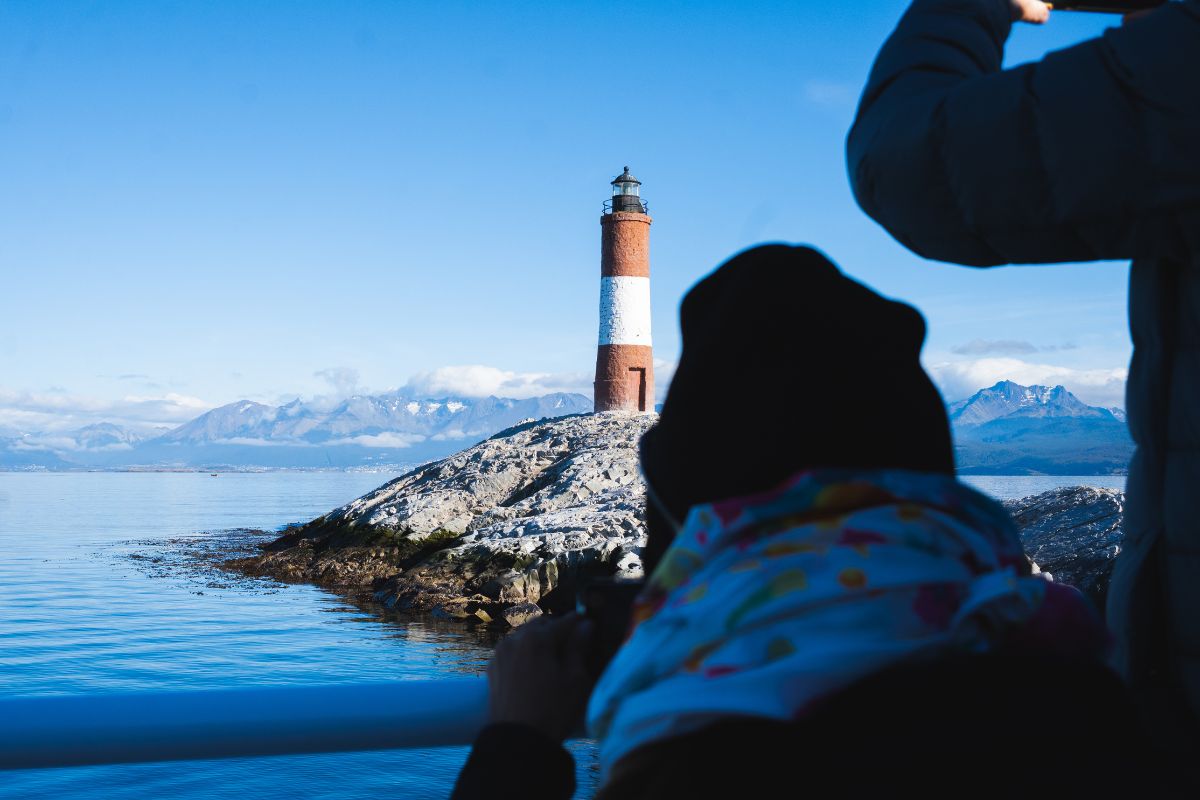
Easter Week in Ushuaia: guide to plan your trip to the End of the World Travelling to Ushuaia for Easter Week
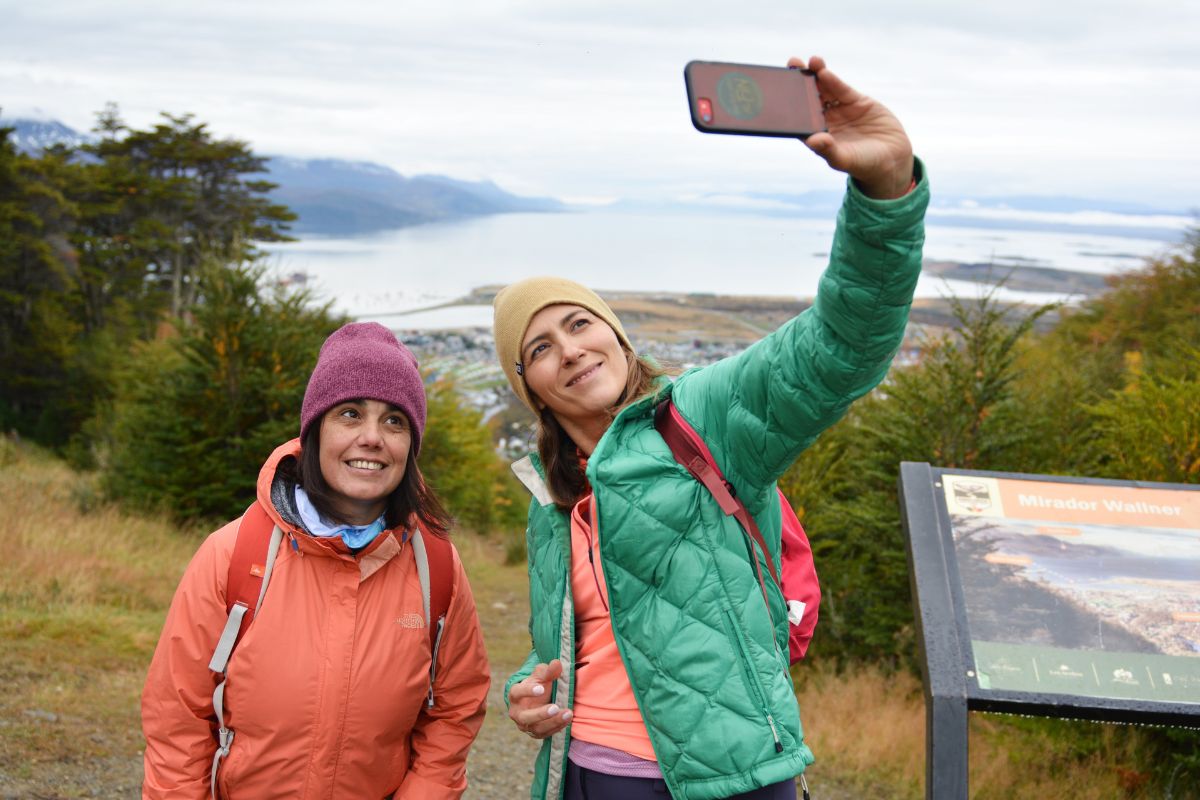
March in Ushuaia, the prelude to the southern autumn March is that point where Ushuaia is enjoyed more calmly,
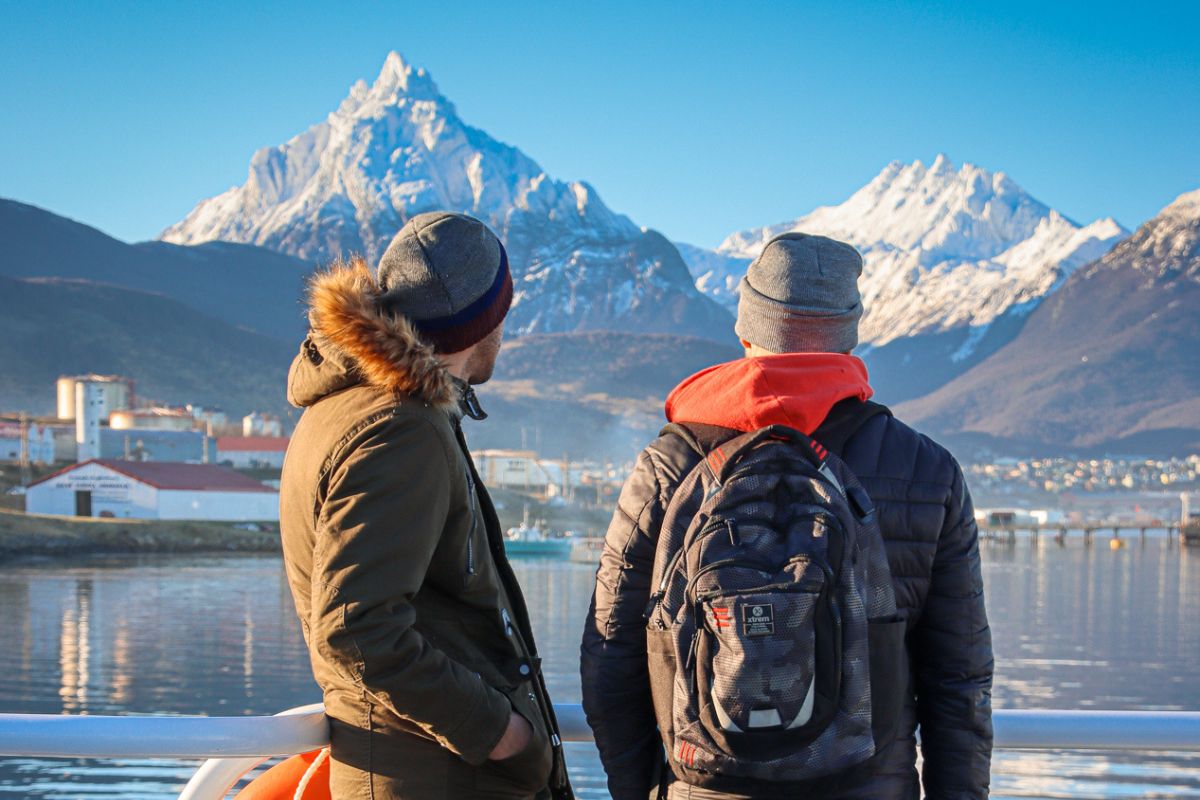
Why visit the Beagle Channel in the summer: Reasons to enjoy an iconic landscape in an incredible season When
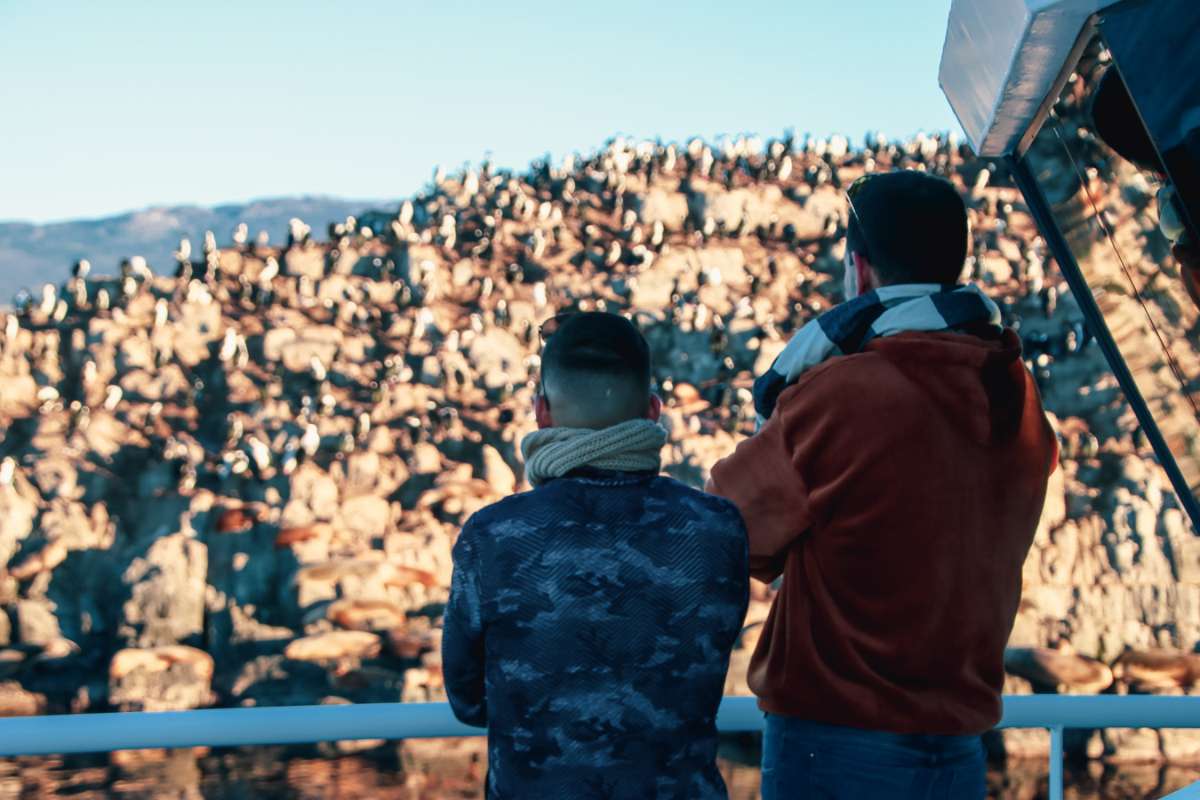
3 Experiences to feel the end of the world in summer: Sailing, End of the World Train and Tierra National Park.