Antarctica - Beyond the Polar Circle - Wilkins Ice Shelf

Difficulty: Very low

About the excursion

This itinerary is for guidance only. The programme may vary depending on ice, weather and wildlife conditions. Landings are subject to site availability, permits and environmental concerns as per IAATO regulations. Official sailing plans and landing slots are scheduled with IAATO prior to the start of the season, but the expedition leader determines the final plan. Flexibility is paramount for expedition cruising. The average cruising speed for our vessel is 10.5 knots.

Beyond the Arctic Circle: Wilkins Ice Shelf
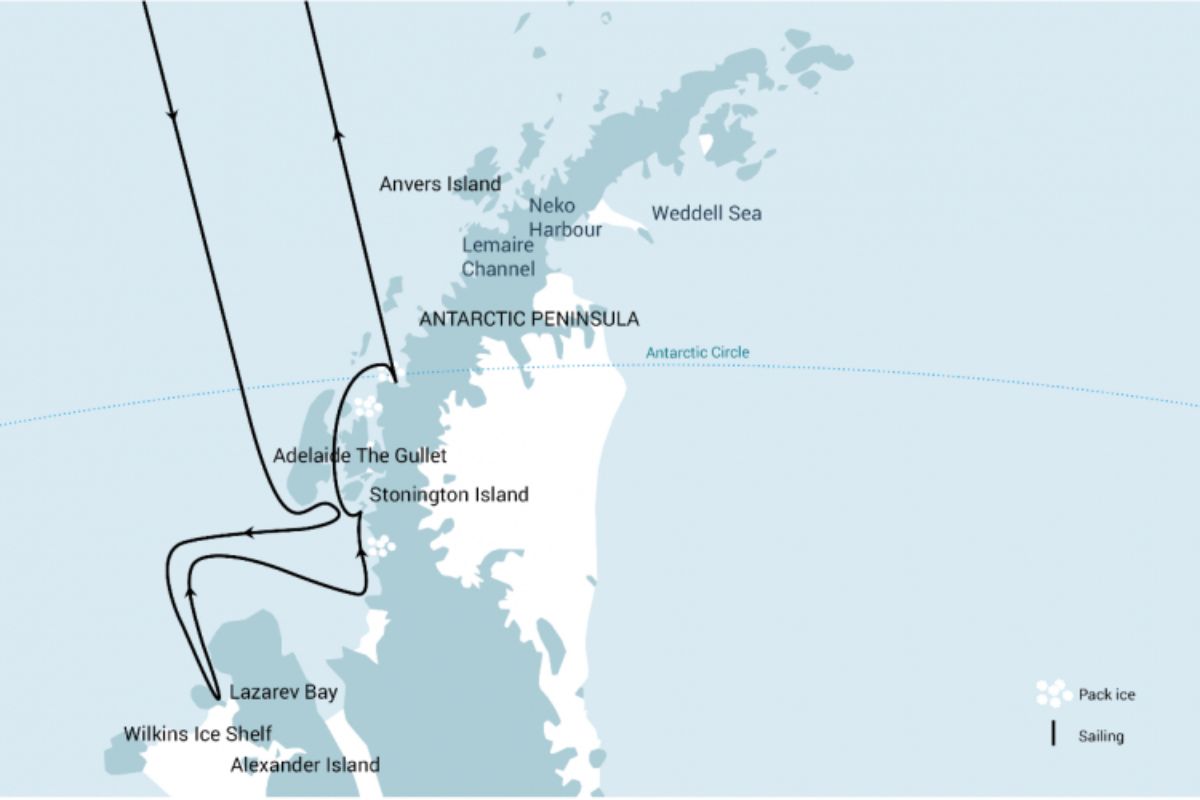
The trip is a real expedition, exploring the rarely visited region of the Bellingshausen Sea, Marguerite Bay and Alexander Island. We visit the places discovered by De Gerlache on his polar expedition (June 1887 - March 1899) on board the Belgica. This voyage departs from Ushuaia and heads directly to the Antarctic Circle, our aim is to spend the entire voyage south of this latitude. The variety of landings, remoteness and wildlife experience in this region are rivalled by very few places on earth.
We will see Antarctic ice shelves, land on islands where very few have been able to go down and enjoy this impressive spectacle far from the regular paths of the Antarctic.
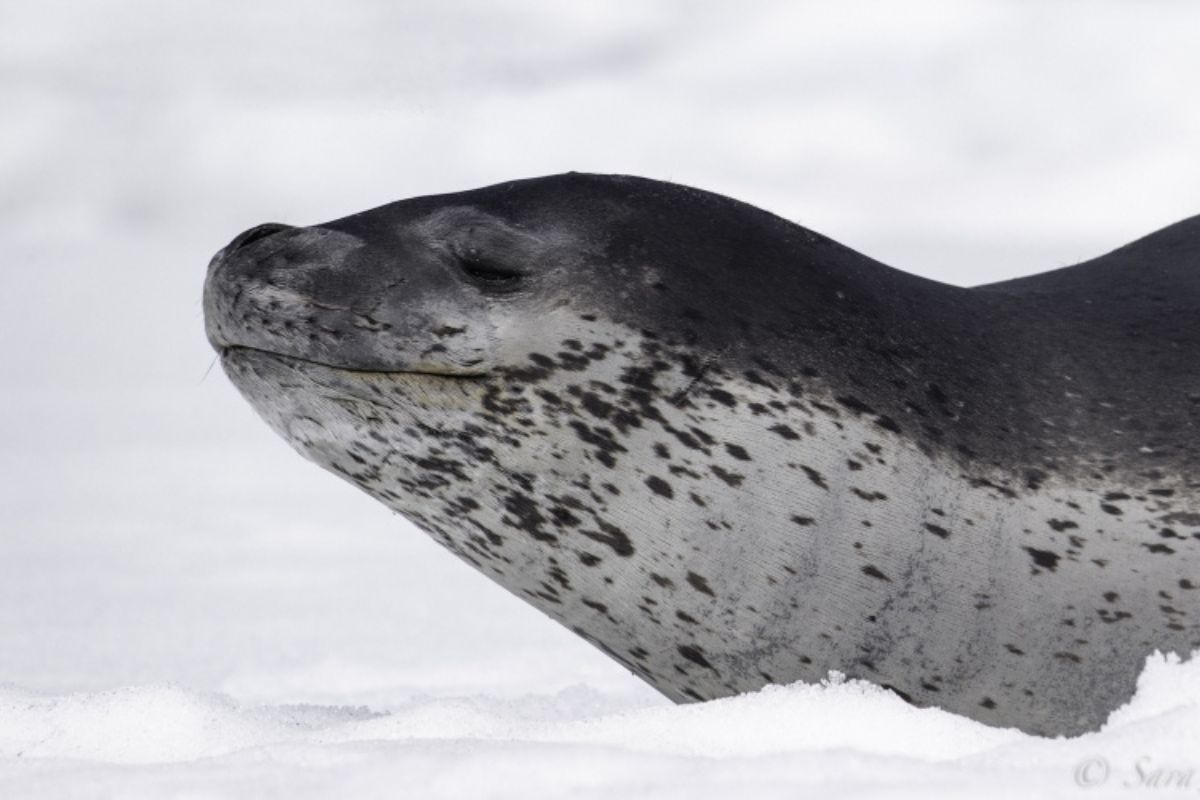
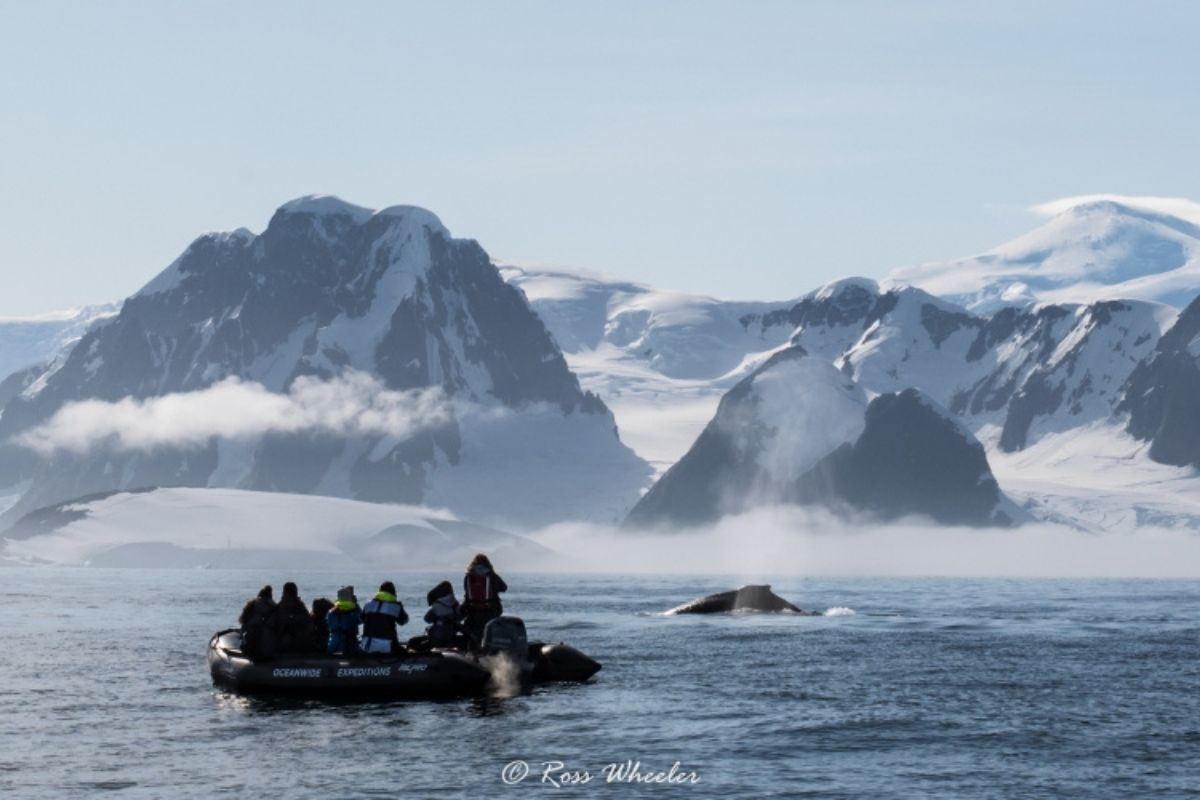
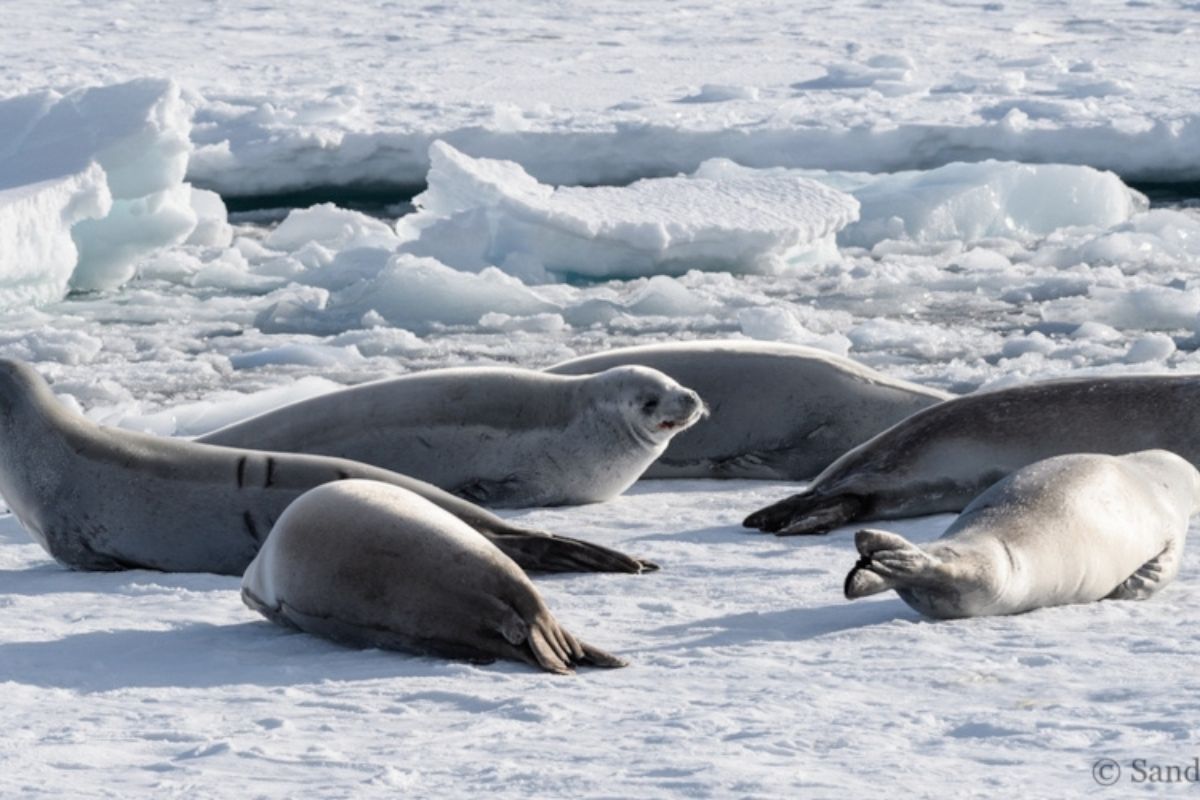
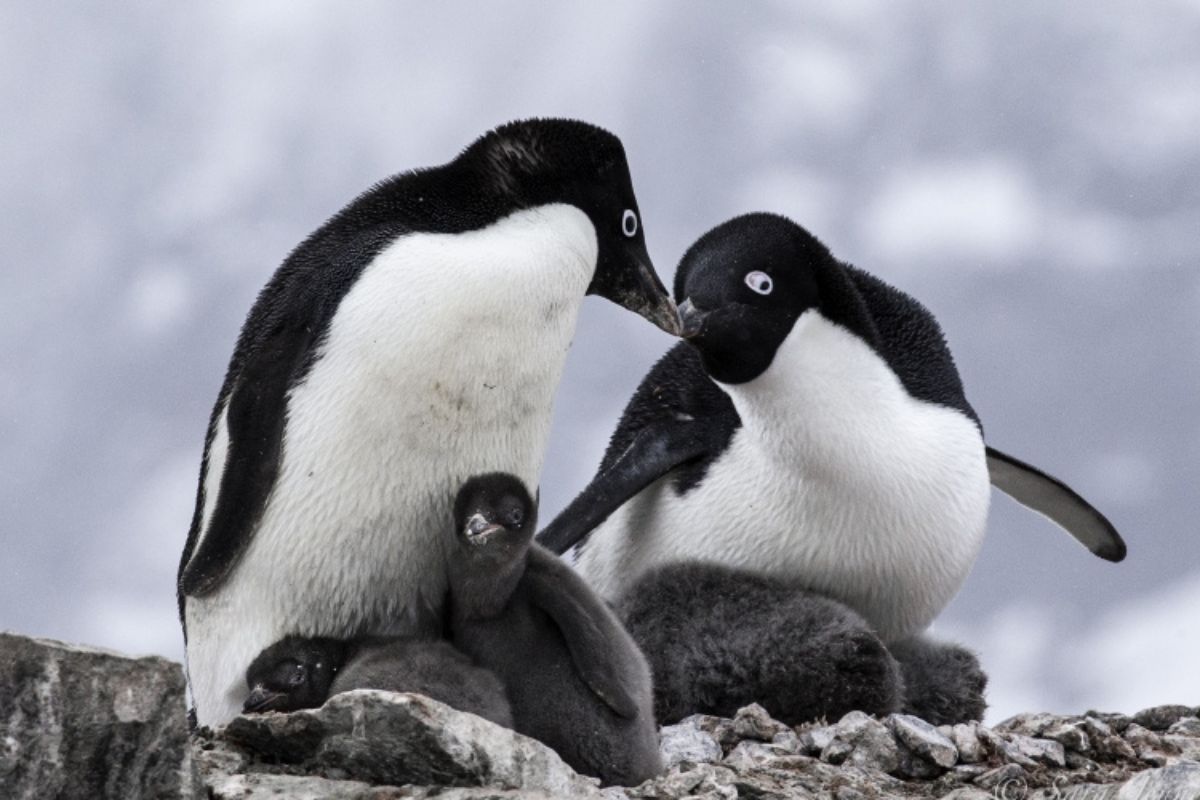
Antarctic expedition cruises. We will see a wide variety of Antarctic wildlife such as Humpback and Minke whales, killer whales, leopards, elephants, crabeaters, Weddell and Antarctic fur seals, and even Ross seals. Gentoo and Adelie penguins, skuas, terns and giant petrels are just some of the species to be seen.
  • Languages: English
  • Duration: 16 days

antarctica wilkins 7

Itinerary

Day 1: End of the world, beginning of a journey

Your journey begins where the world ends. Ushuaia, Argentina, reputed to be the southernmost city on the planet, is located at the southern tip of South America. During the afternoon, you will embark in this small Tierra del Fuego resort town, nicknamed "The End of the World", and cruise the mountain-fringed Beagle Channel for the rest of the afternoon/evening.

Day 2 - 3: The Polar Explorers' Trail

Over the next two days in the Drake Passage, you'll enjoy some of the same experiences encountered by the great polar explorers who first charted these regions: cool salt breezes, rolling seas, perhaps even a Fin whale blowing sea spray. After passing the Antarctic Convergence - Antarctica's natural boundary, formed when cold waters flowing northward collide with warmer sub-Antarctic seas - you find yourself in the circum-Antarctic upwelling zone.
Not only marine life is changing, but also avian life. Wandering albatrosses, grey-headed albatrosses, black-browed albatrosses, light-mantled sooty albatrosses, cape pigeons, southern fulmars, Wilson's petrels, blue petrels and Antarctic petrels are some of the birds you will see.

Day 4: Across Pendleton Sound

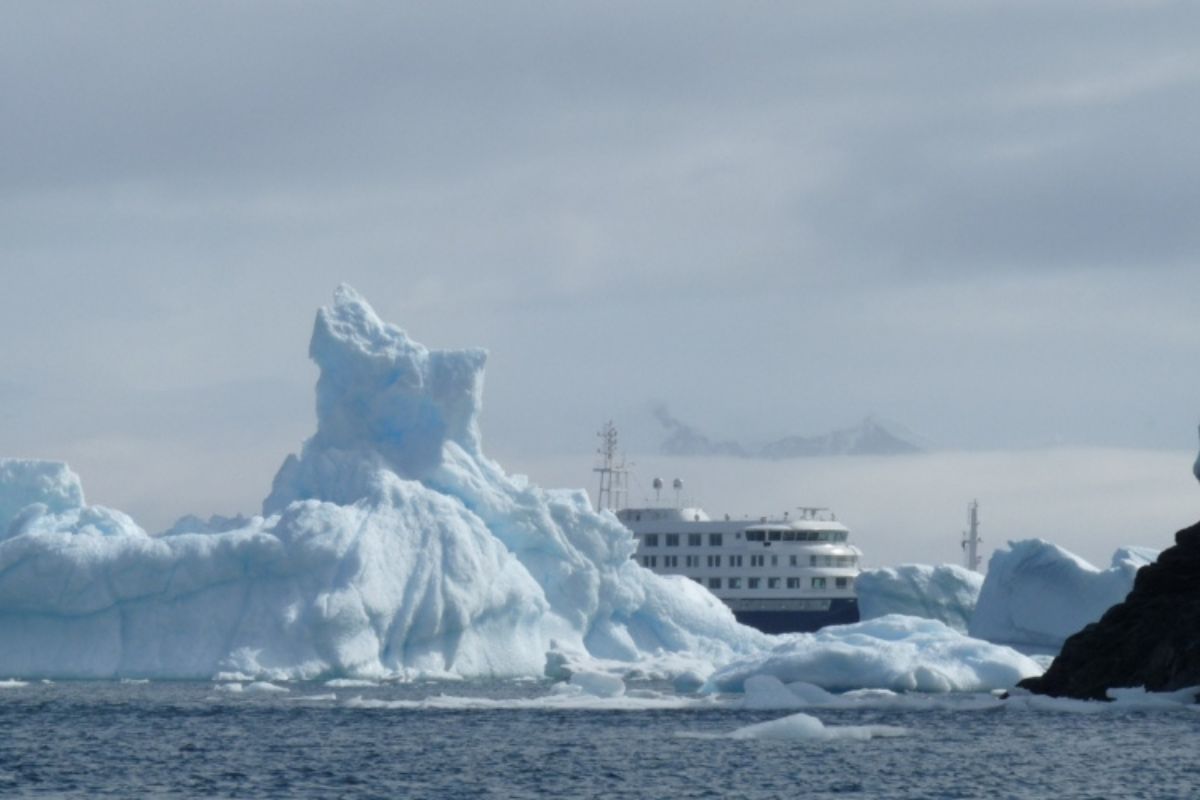
You will arrive at the Antarctic Peninsula, near the Antarctic Circle, in the afternoon. Sea ice permitting, you may continue through Pendleton Strait and attempt a landing on the rarely visited southern tip of Renaud Island. Here you will have the opportunity to see the first Adelie penguins of the trip, as well as enjoy spectacular views of icebergs in this surreal, snow-swept setting.
In the afternoon we will sail to the Fish Islands and encounter one of the southernmost colonies of Adélie penguins and blue-eyed cormorants on the Antarctic Peninsula.
Spending the night in the Crystal Sound area will keep you awake until the early hours of the morning, there is the possibility of seeing orcas, humpbacks and Minke whales in this area.

Day 5: Detaille Island and The Gullet

Detaille Island - Here you can make a landing at an abandoned British research station, enjoying the island's elevated position and stunning glacier scenery.
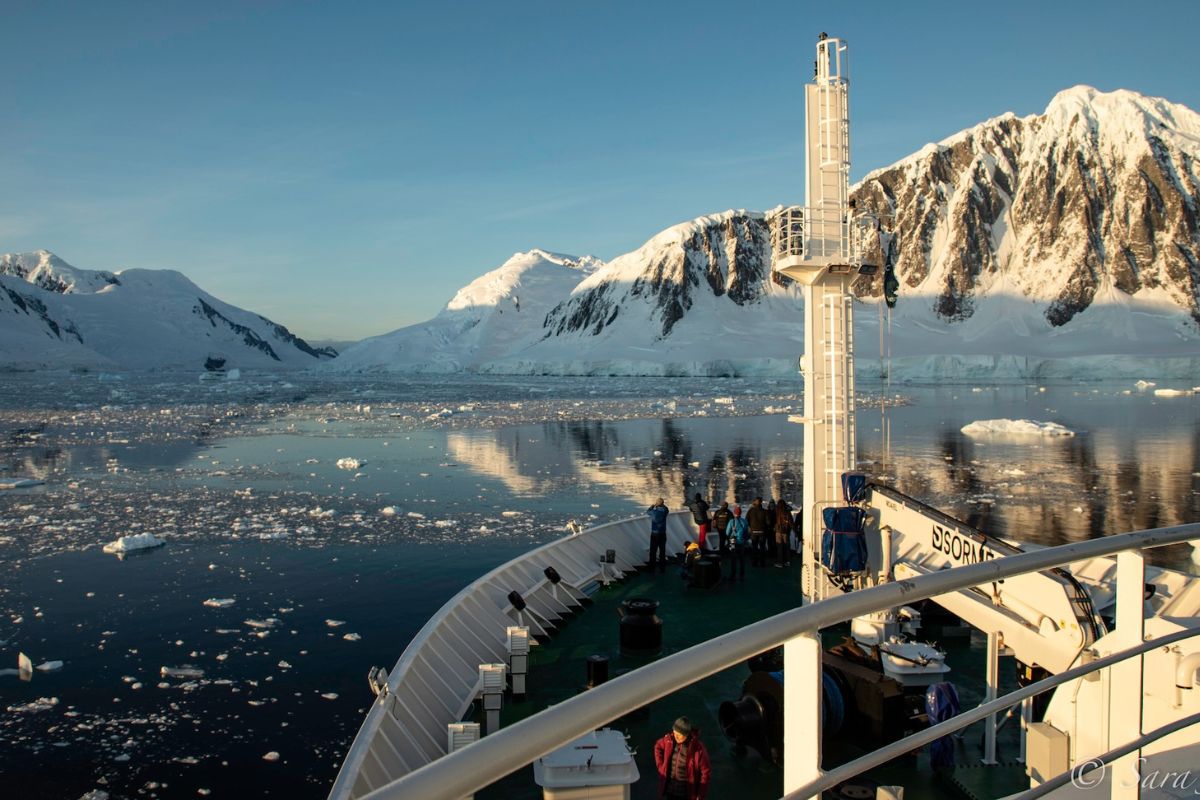
We will then sail through The Gullet, one of Antarctica's most impressive narrow channels, with towering mountains on either side, birds following the ship and playful penguins and seals frolicking in the water as we sail, this is a very special part of the trip. Ice conditions permitting, we will also make a landing or cruise in the afternoon.

Day 6: Porquoi Pas Island and Horseshoe Islands

Discovered and mapped by the famous explorer Charcot, Porquoi Pas offers a pleasant landing on a rocky beach with the Moider glacier as a backdrop - a gentle walk from the landing site gives a breathtaking view of this. Sea lions enjoy relaxing on the small plain behind the beach and are a pleasant addition to the wildlife we encounter on this trip.
After lunch we head to Horseshoe Island - so called because of its distinctive shape - an abandoned research station offers a glimpse of the early days of scientific research and original artefacts remain on display to appreciate how different life was in those pioneering days. The refuge is set amongst some of the most beautiful scenery in Antarctica, with views of the mountains and snow of Porquois Pas Island, as well as the Porquois Pas mountain range itself. A photographic landing in many ways: two old wooden boats remain at the landing site as if awaiting their last mission to work in the frozen waters surrounding the islands.

Day 7 - 10: George IV and Wilkins Ice Shelf

Weather and ice permitting we will head for the Antarctic ice shelves (George IV and Wilkins), we hope to show you the scale of these vast cliffs and expanses of ice that will dwarf us and our ship. Variety of Antarctic wildlife from humpback whales, fur seals and Adelie penguins and perhaps if we are lucky we may see one or more Ross seals.

Day 11: Jenny and Leonie Islands

Jenny Island will add another aspect to your Antarctic experience, here you will see raised beaches, hanging glaciers and moss carpets. The island is also popular with wildlife, with terns, skuas, elephant seals, leopard seals and Adelie penguins regular visitors.
Landing on Leonie Island will take your breath away; there is an opportunity to hike to the top of the island, which offers a spectacular view of Marguerite Bay and Adelaide Island.

Day 12: Mikkelsen Lagoon and Islands

Lagoon Island is the northernmost of the Leonie group of islands, also discovered and mapped by Jean-Baptiste Charcot. This low-lying island offers a stark contrast to the earlier days, with its gently sloping beaches and flat areas to explore. The fauna and flora vary according to the snow cover: if there is little snow, the ground has an almost desert-like appearance.
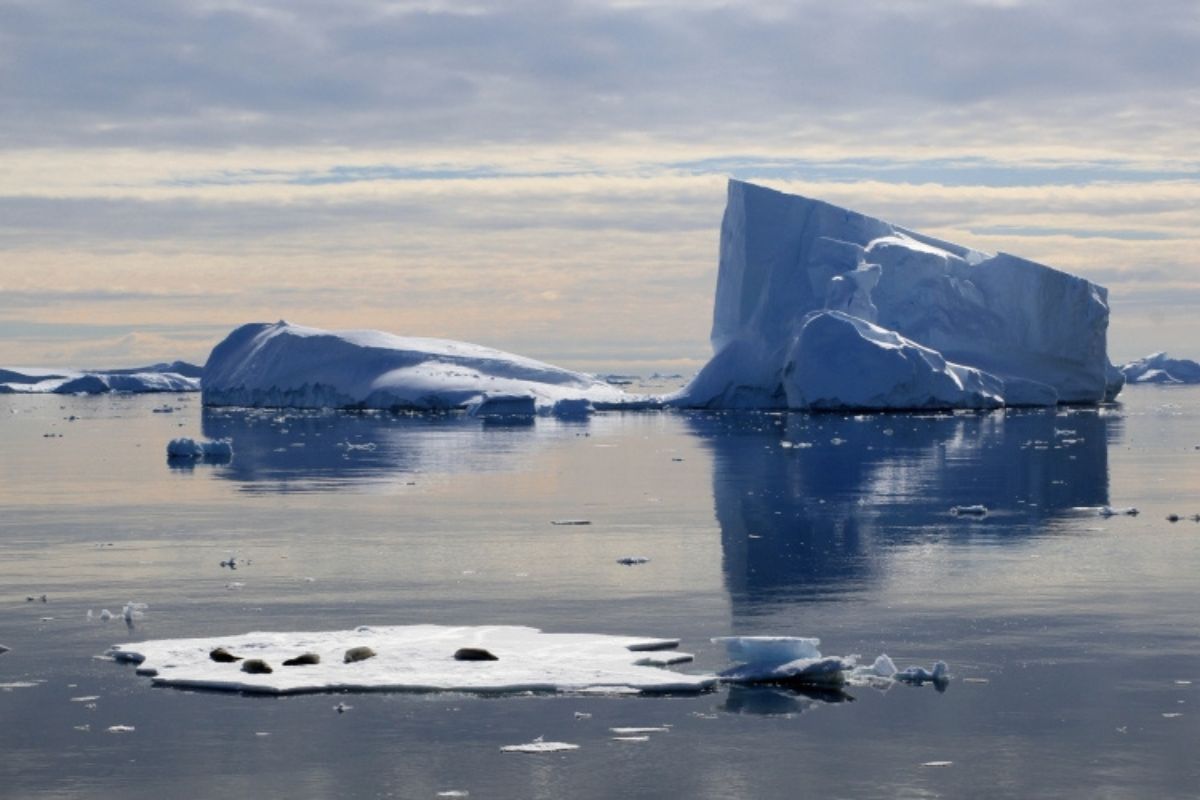
The Mikkelsen Islands offer a spectacular zodiac cruise where we expect to encounter up to five species of Antarctic seals. We may also see some beautiful birds, such as giant petrels and Adelie penguins.

Day 13 - 15: Familiar Seas and Friends

The return journey is far from lonely. As you cross the Drake, you are again greeted by the wide variety of seabirds you remember from the passage south. But now they are a little more familiar to you, and you to them.

Day 16: Round trip

Every adventure, no matter how great, must come to an end. Now it's time to disembark in Ushuaia, but with memories that will accompany you wherever your next adventure takes you.

Image gallery

Send us your enquiry

Tentative travel date

Explore other excursions