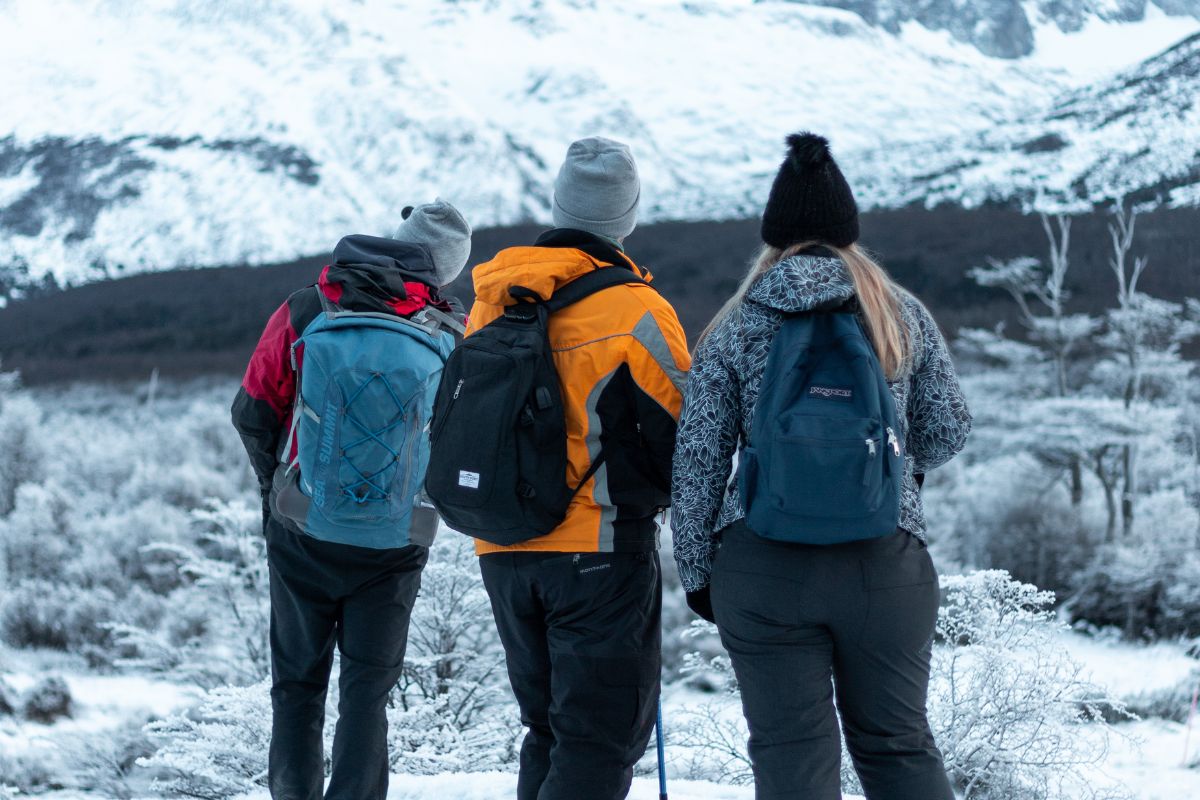
Guide to planning the winter in Ushuaia
Ushuaia winter planning guide: From autumn's sigh to June's magic Autumn on Earth

Spring in Tierra del Fuego is a time of transition from the thaw to the green of summer. The days start to get longer and the temperatures start to rise. At this time of the year we will see how the Andean-Patagonian forest slowly begins to turn green when the leaves of the ñires and lengas timidly start to emerge. But it is a season when we will be able to see more activity in the local fauna since it is the breeding season.
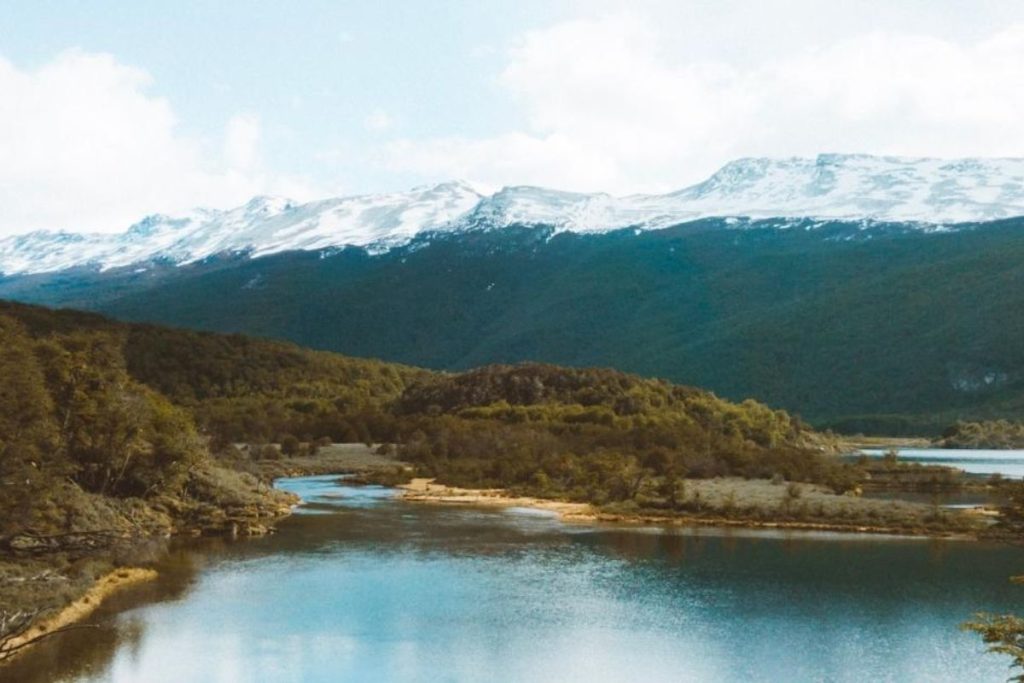
One thing that strikes visitors when they walk in the natural areas of Tierra del Fuego is that the leaves, flowers and fruits are very small. Unlike in tropical places, the further away from the equator they decrease in size due to the marked seasons and an energy-saving adaptation to the lower temperatures.
On the coast of the Beagle Channel you will find flowers as always alive, perezias, trees like the cinnamon tree, the notro with bright red flowers.
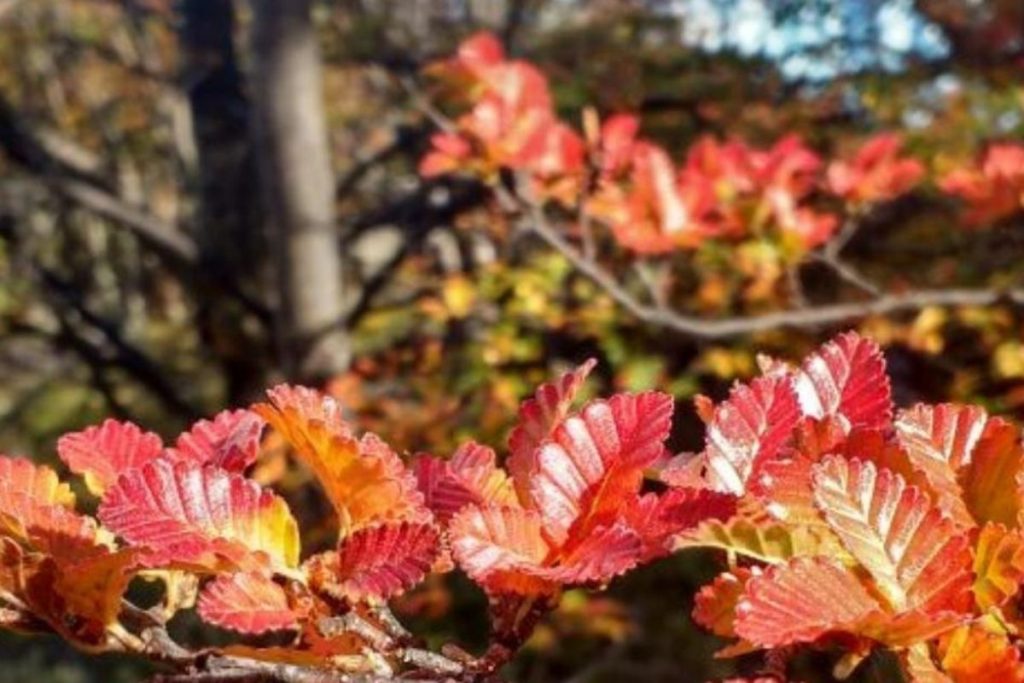
In the forest you will find lengas, ñires, guindos or coihue, as well as bushes like the calafate, the michay (its flowers and fruits are very similar to the calafate but the leaves look like mistletoe), sarsaparilla (the leaves look like a small vine and the fruits are in small bunches).
In open environments we can find black bushes with leaves that look like rosemary bushes and flowers that look like small daisies. There are also chaura bushes, the only plant that bears fruit all year round.
If you hike into the mountains, above the forest edge, you will find bolax (known as stone grass), chocolate flower (for its vanilla scent) and edelweiss fueguina.
In the peat bog area we find reeds (the same ones used by the natives to make baskets), ñire forest and the only “carnivorous” plant, in fact the plant simulates water droplets that stick to the plant when insects approach it in order to hydrate themselves.
Something that attracts the attention of visitors to Ushuaia are the ornamental plants found in the gardens of the houses and in the flowerbeds in the centre of the city. These flowers of different colours that grow up to 1 m high are called lupines, and although many do not believe it, they are not native to Patagonia. They come from North America but because of the climatic conditions they grow very well in our city.
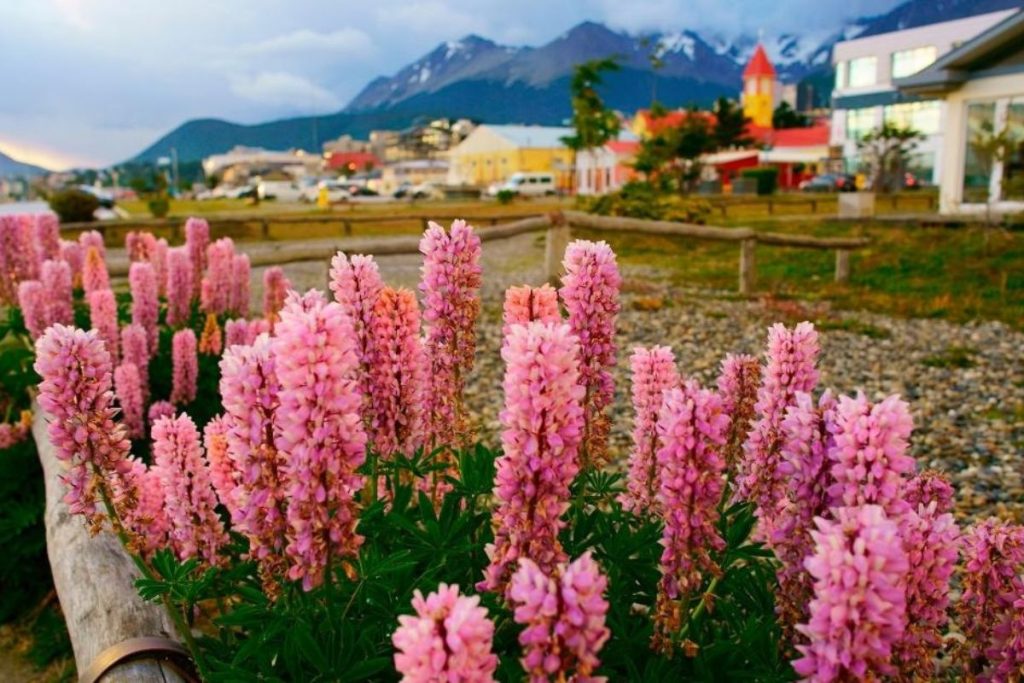
If you want to take pictures you can visit the garden of the Annex of the Museum of the End of the World, an old house from the beginning of the 20th century that served as the governor's house, located in front of the port and the civic square. In addition to lupines of various colours, the poppies in the garden are also a real eye-catcher.
Spring is the breeding or lambing season for the animals as well. They have the warmer months ahead of them for the young and chicks to grow and gain strength to make it through the winter or to make their first migration.
If you sail through the Beagle Channel, this is the time when female sea lions start to give birth to their pups and then become pregnant again. Before this, you will see the males build up their harems of 5 to 10 females and fight over them.
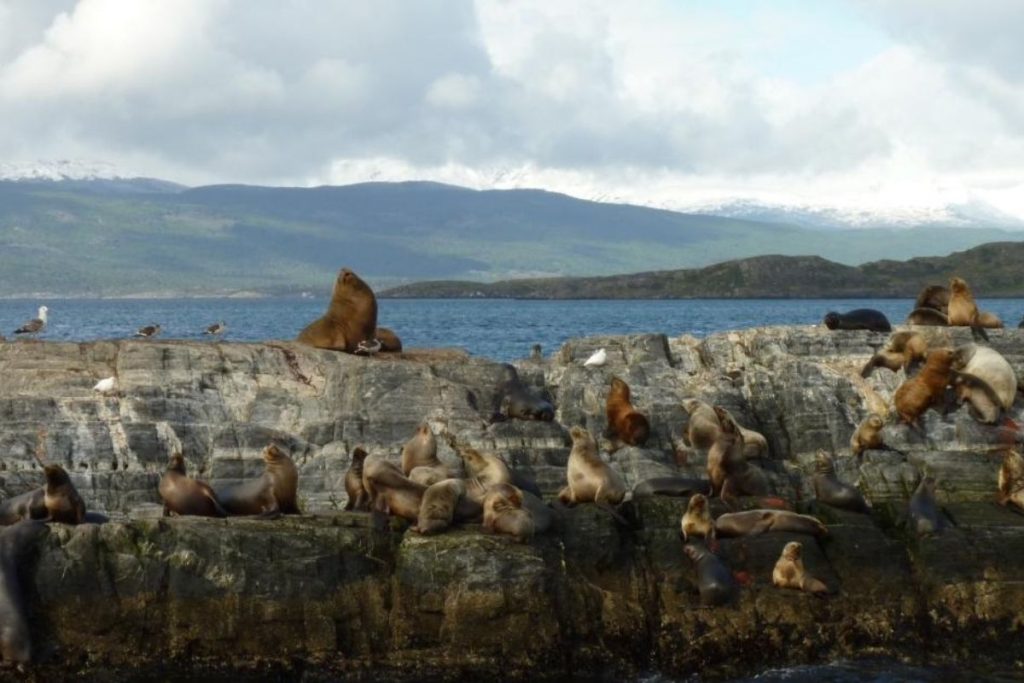
Also something very curious to see are the colonies of imperial cormorants, these black and white penguin-like birds, which in these months begin to build their nests in the flat parts of the rocks of the Channel. They are crater-shaped and made of algae, molluscs and guano. On the boat you will also see the mating courtship of the black-necked cormorants. These birds nest on the cliffs of the islands very close to the Les Eclaireurs lighthouse.
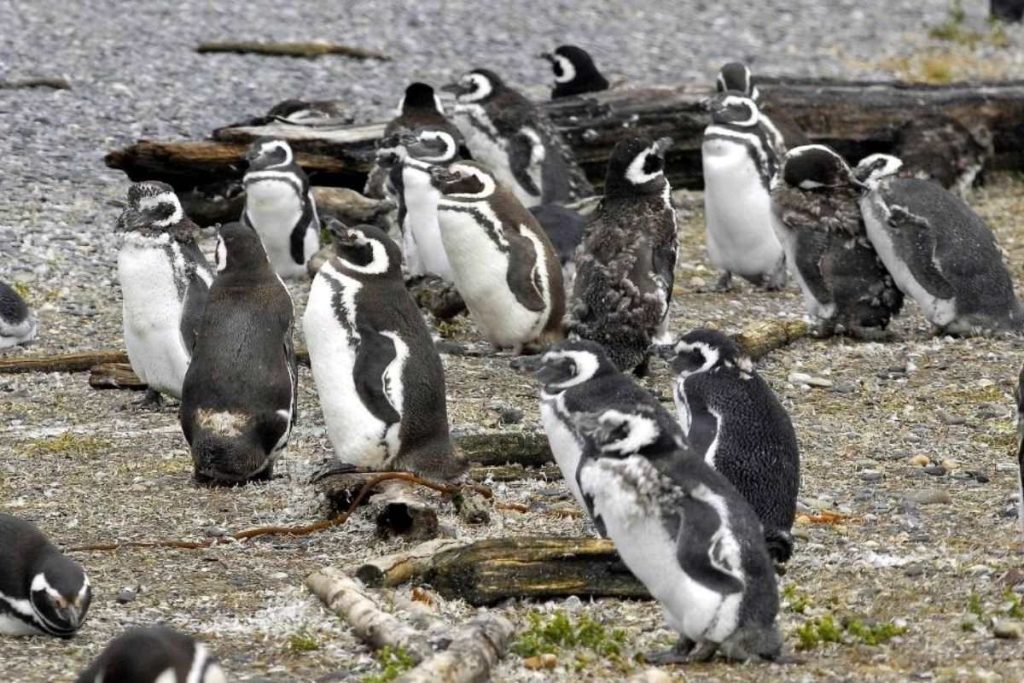
Another eagerly awaited animal to see at this time of year are the penguins. Although many people believe that they can be seen in winter, Magellanic penguins are only on land during the breeding season. They start arriving at Isla Martillo from the open sea in October to return to the same nest every year. After a few weeks, egg-laying begins when the parents take turns to go to the water to feed.
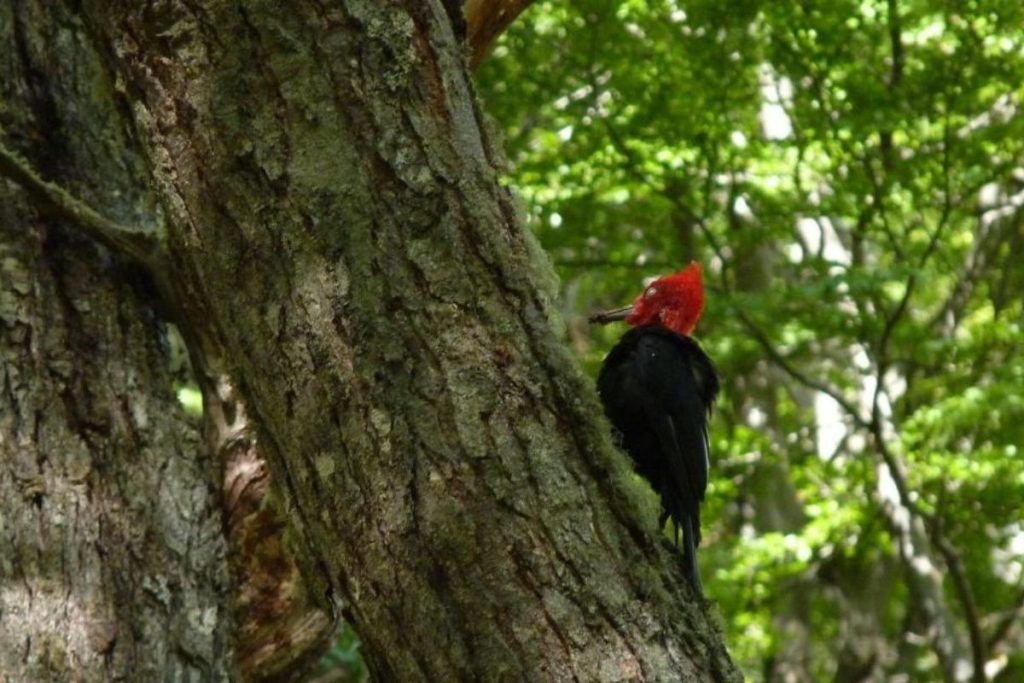
On the other hand, in Tierra del Fuego National Park the birds also begin their breeding season. You may be able to see the family of black-necked swans on the Lapataia River or in Laguna Verde, carrying their chicks lying in the water. Or the family of common geese, wild geese, which can have up to 6 chicks per season. If you are very lucky you can also find the red fox and its cubs, which watch over them warily.
Don't miss this spectacle of colours, courtship and chicks to enjoy the next few weeks in Tierra del Fuego.
Ushuaia winter planning guide: From autumn's sigh to June's magic Autumn on Earth
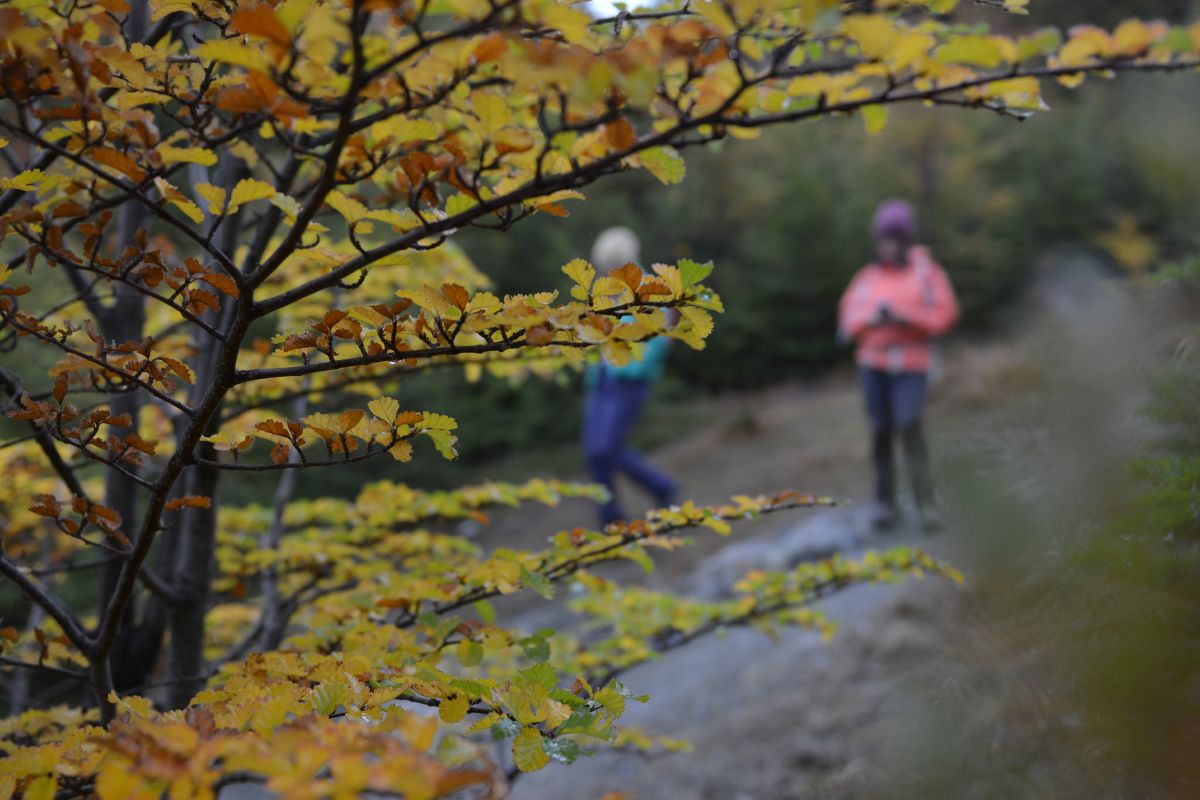
Autumn at the End of the World: The pleasure of discovering the must-see places in May and without waiting for the leaves.
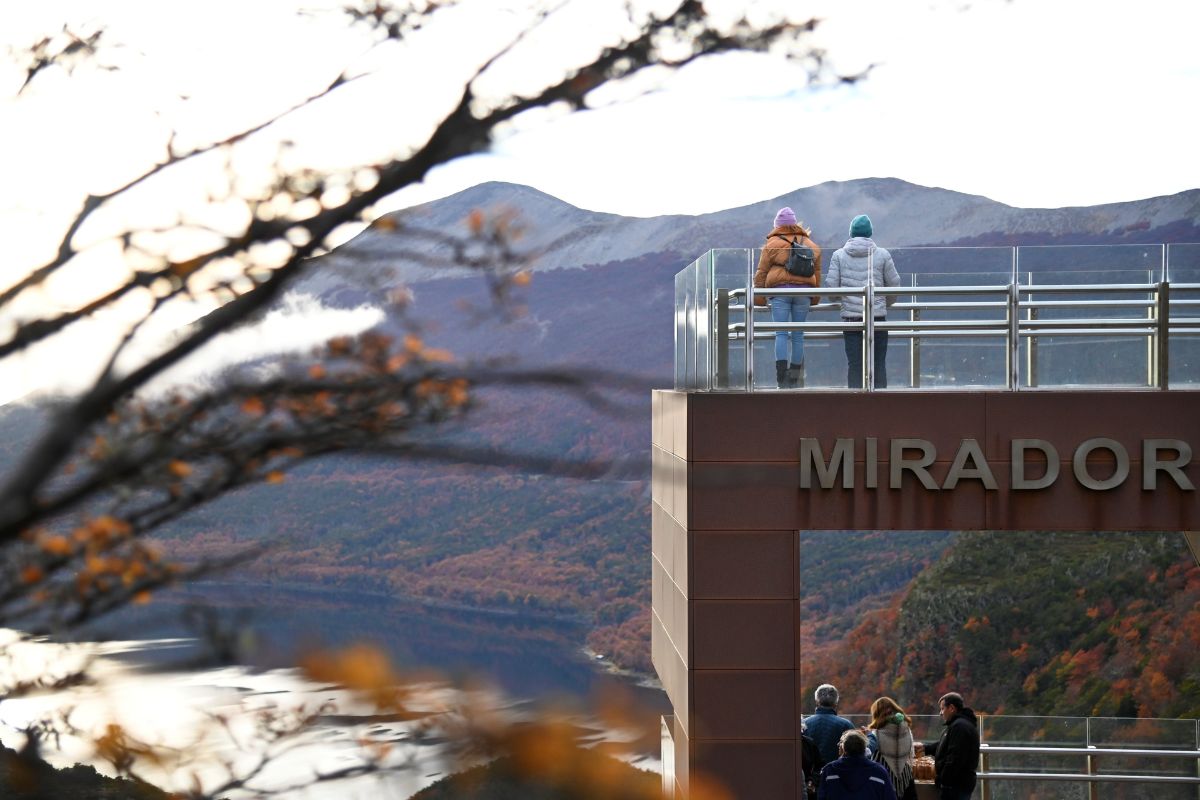
What to expect from Lakes Escondido and Fagnano during the autumn, get to know the most incredible water mirrors in Tierra del Fuego.
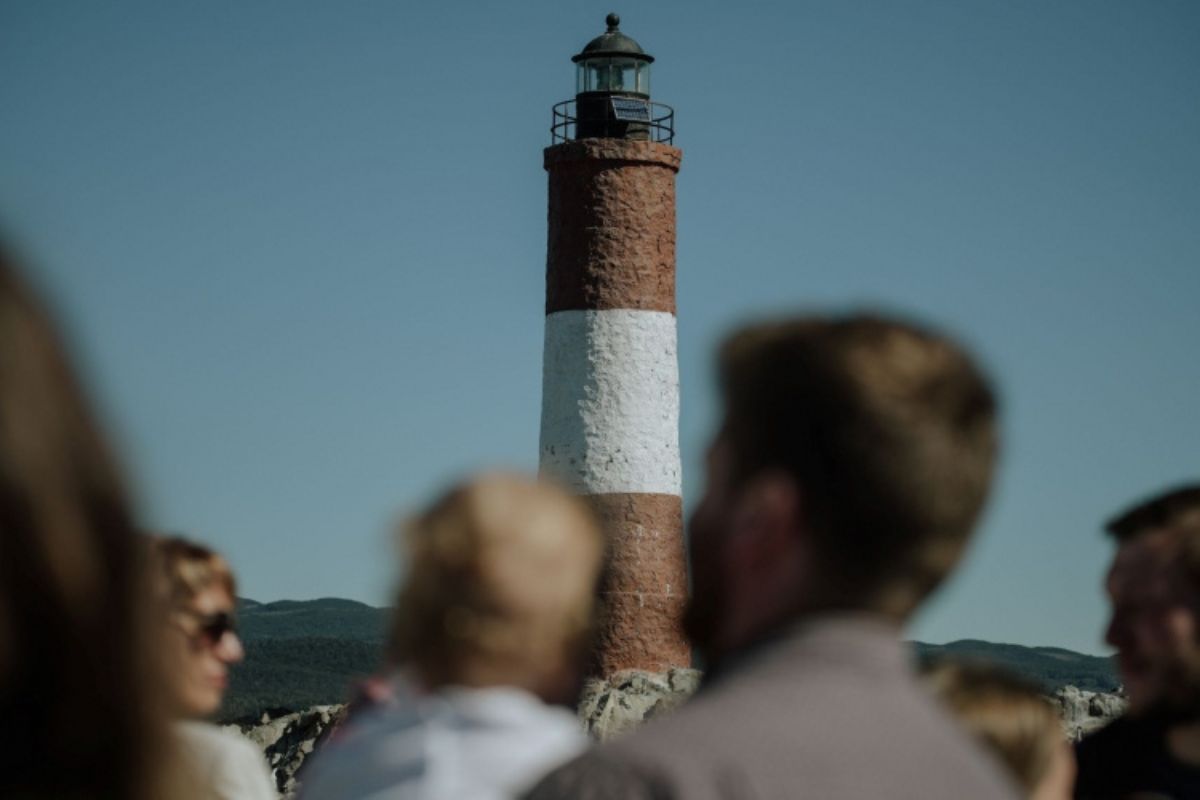
5 reasons to sail the Beagle Channel in April: A different experience at the end of the world Ushuaia is a
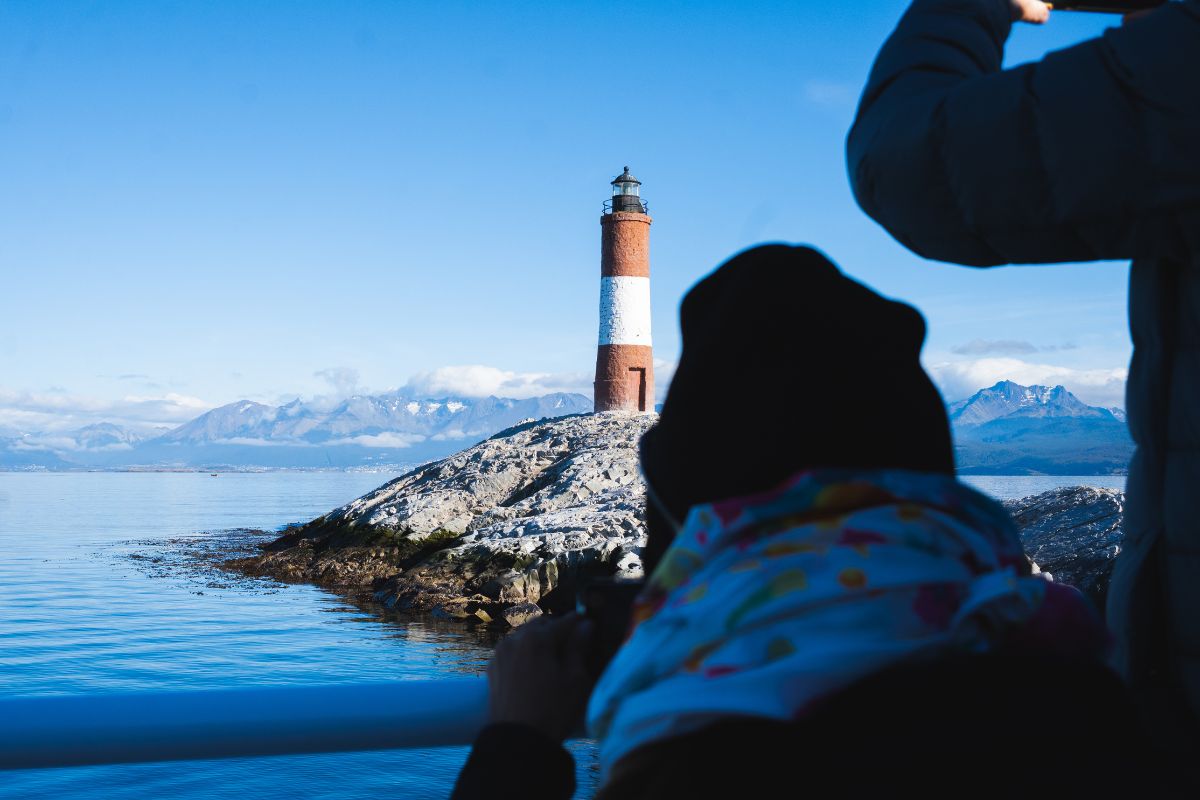
Easter Week in Ushuaia: guide to plan your trip to the End of the World Travelling to Ushuaia for Easter Week
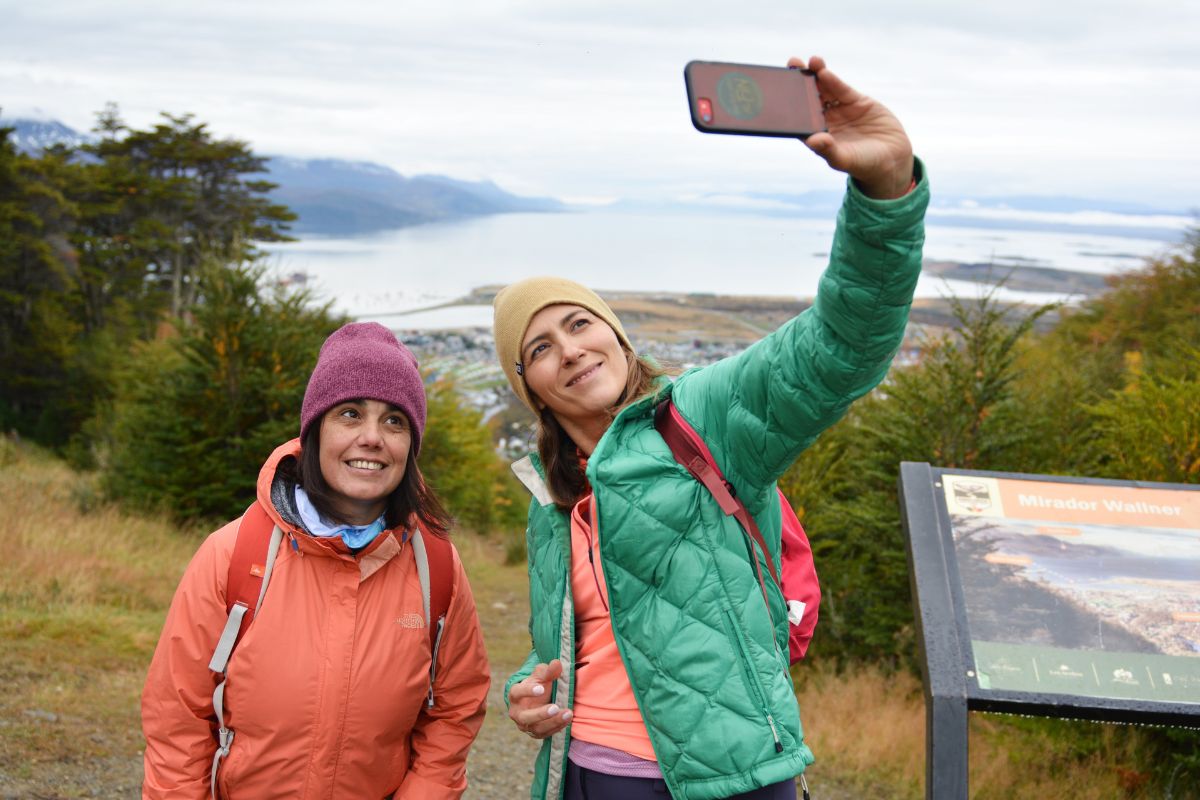
March in Ushuaia, the prelude to the southern autumn March is that point where Ushuaia is enjoyed more calmly,